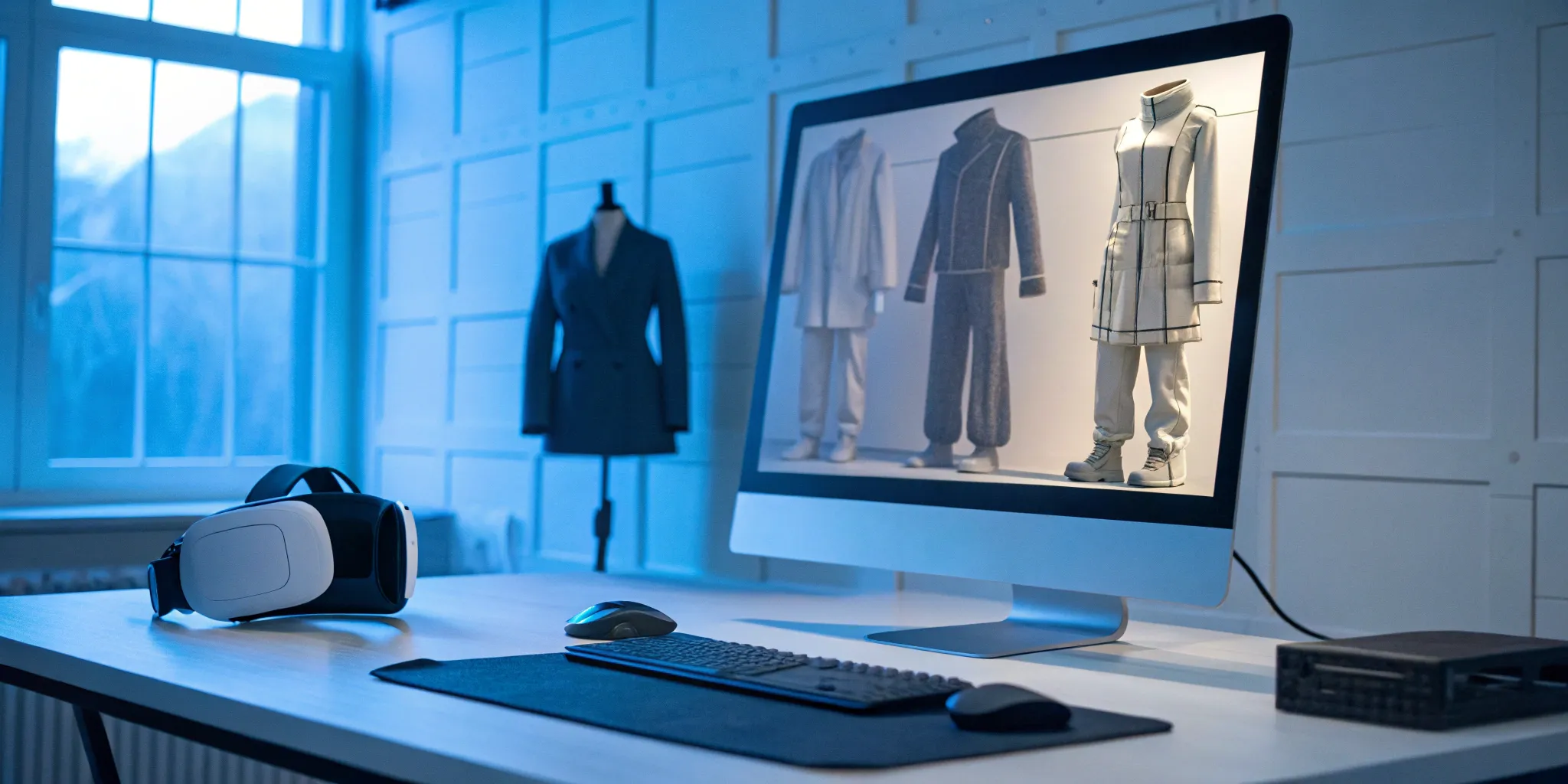
Custom 3D Clothes for Game Avatars: A Full Guide
2025. 12. 18.
What started with simple video game skins has exploded into a multi-billion dollar virtual economy. Digital fashion is no longer a niche interest; it's a mainstream movement and a serious business opportunity for independent creators. As more people spend time in virtual worlds, the demand for personalization is skyrocketing. They want unique looks that reflect their personality, and they're willing to pay for them. If you have a creative eye and an interest in design, learning to make custom 3d clothes for game avatars is one of the smartest skills you can develop. This guide will show you how to tap into this growing market.
Key Takeaways
Find Your Perfect Creative Toolkit: The best software for you depends entirely on your goals. Start with user-friendly tools to learn the basics, or jump into professional-grade software when you're ready to create highly detailed, realistic garments.
Focus on Function, Not Just Fashion: A great design must also perform well in a virtual environment. Master the technical details like fabric physics, performance optimization, and file compatibility to ensure your creations look and feel professional on any avatar.
Turn Your Passion into a Business: Creating is only half the process. Develop a clear brand identity, use social media to showcase your work, price your designs based on complexity and market value, and engage with your audience to build a loyal community.
What Are Custom 3D Clothes for Avatars?
If you’ve ever spent time picking the perfect outfit for a video game character or a social media profile, you already understand the power of digital fashion. Custom 3D clothes are exactly what they sound like: virtual garments designed for digital avatars. Think of them as the wardrobe for your online self. These aren't just static images; they're fully-rendered, three-dimensional pieces that move and interact with an avatar's body, just like real clothing.
From intricate gowns to futuristic streetwear, 3D clothes allow for limitless creativity. They let us express our personalities in virtual spaces, whether we're connecting with friends in a game or building a professional presence online. As our digital and physical lives become more connected, the way we present ourselves online is more important than ever, and our virtual closets are a huge part of that.
The Basics of Digital Fashion
At its core, digital fashion is about creating and wearing clothes in virtual environments. It’s a way to explore style without the physical limitations of traditional clothing. Today, personalized digital avatars are used everywhere, from social media and games to virtual reality and even business meetings. The clothes these avatars wear are designed using specialized 3D software, allowing artists to craft everything from the texture of the fabric to the way it drapes and moves. This gives you a way to show off your unique style and identity in any digital space you inhabit.
Why Customization is Key
Customization is what turns a generic avatar into a true digital extension of yourself. It’s the difference between using a default character and creating one that feels uniquely you. When you can choose or even design your own 3D clothes, you’re in control of your digital identity. This level of personalization has also created a thriving virtual economy. Creators and developers can design and sell virtual clothing and accessories, giving users endless options to personalize their look while also building their own digital businesses. It’s a powerful way for artists to monetize their skills and for users to curate a digital presence that reflects their real-world personality.
Your Opportunity in a Growing Market
The demand for custom 3D clothes is growing fast. What started with video game skins has exploded into a whole new category for fashion brands, individual designers, and artists. This isn't a niche interest anymore; it's a mainstream movement. Virtual outfits are now regularly seen on platforms like Instagram and TikTok, which helps them reach an even wider audience. For creators, this represents a massive opportunity. You can design for established platforms or build your own brand from the ground up, tapping into a market of users who are eager to find unique pieces that help them stand out. It’s a new frontier for fashion and design, and it’s just getting started.
The Best Platforms for Creating 3D Avatar Clothing
Choosing the right platform to create your 3D avatar clothing is a lot like picking the right fabric for a real-life garment—what works for a structured jacket won’t be right for a flowing dress. The digital world is full of incredible tools, each with its own strengths. Some are perfect for beginners who want to jump right in, while others are industry-standard powerhouses used by professional fashion designers. The best choice for you depends on your skill level, your creative goals, and where you want your designs to live.
Whether you’re aiming for hyper-realistic textures, stylized anime outfits, or something completely new, there’s a platform out there to help you bring your vision to life. We’ll walk through some of the top options, from integrated ecosystems that make creation and distribution seamless to specialized software that gives you granular control over every stitch and seam. Think about what you want to achieve, and let’s find the perfect fit for your digital design journey.
Genies Avatar Framework
If you’re looking for a platform built from the ground up for the creator economy, the Genies Avatar Framework is where you should start. What makes it stand out is its focus on interoperability. This means the fashion and accessories you design aren’t locked into a single experience; they have limitless utility across our entire avatar ecosystem. Our tech uses a powerful combination of machine learning and computer graphics to give you a flexible and intuitive toolset. You can focus on your creative vision without getting bogged down by overly technical hurdles. It’s designed to empower you to create unique fashion and props that truly express your style, making it an ideal starting point for anyone wanting to build a digital identity.
Marvelous Designer
When you see stunningly realistic digital clothing in games or fashion campaigns, there’s a good chance it was made with Marvelous Designer. This software is a favorite in the professional fashion and entertainment industries for a reason. It "allows designers to create, visualize, and adjust digital 3D models of garments." Its advanced simulation technology lets you drape and fold fabric just as it would behave in the real world. While it’s a professional-grade tool, its interface is surprisingly intuitive, allowing you to design everything from a simple t-shirt to a complex gown by drawing patterns and sewing them together in a 3D environment. It’s one of the best 3D fashion design software options for creators who want to achieve photorealistic results.
CLO 3D
Closely related to Marvelous Designer, CLO 3D is another industry giant focused on bringing real-world fashion design into the digital space. CLO helps you "design clothes in 3D... [making] virtual, realistic clothing designs using advanced technology." It’s built to mirror the entire garment creation process, from initial pattern-making to final fitting on a custom avatar. This makes it an incredibly powerful tool for both digital creators and traditional fashion designers looking to digitize their workflow. If you’re serious about understanding the construction of clothing and want to create designs with true-to-life accuracy, CLO offers a comprehensive suite of tools to make it happen. It’s an excellent choice for creating high-fidelity assets for your portfolio or for use in professional projects.
Roblox Studio
For many creators, Roblox is the first place they dip their toes into designing virtual items. It’s an incredibly accessible entry point, especially if you want to see your creations worn by millions of players. Using Roblox Studio, you can design and sell your own clothing items directly within its massive ecosystem. The platform even allows you to earn Robux, its virtual currency, from your sales. While the design tools are simpler compared to standalone software like Blender or CLO, the immediate feedback and built-in marketplace make it a fun and rewarding place to start. It’s a fantastic way to learn the basics of texturing and 3D item creation while engaging with a huge and active community.
VRoid Studio
If your creative style leans toward anime and manga, you’ll feel right at home with VRoid Studio. This free, user-friendly software is specifically designed for creating 3D characters in a distinct anime style, making it a go-to for VTubers and artists. The clothing creation process is incredibly intuitive; you can draw textures directly onto a 3D model or use preset templates that you can customize with different parameters, colors, and patterns. While it’s focused on a specific aesthetic, the level of customization is impressive. VRoid Studio is perfect for creators who want to quickly design and export stylized outfits for their avatars without a steep learning curve, letting you bring your characters to life with unique fashion.
Blender for Advanced Users
For those who want complete creative control and aren’t afraid of a challenge, Blender is the ultimate tool. As a powerful, open-source 3D creation suite, it can do just about anything, including designing intricate avatar clothing. It’s a favorite for "advanced users who are familiar with its complex interface and features." Unlike specialized software, Blender requires you to build your garments from scratch using modeling, sculpting, and physics simulation tools. The learning curve is steep, but the payoff is unparalleled freedom. You can create any design you can imagine, optimize it perfectly for any game engine, and control every single vertex. If you’re ready to invest the time, Blender will reward you with a powerful and versatile skill set.
Choosing Your Software: Key Features to Look For
Picking the right software is your first big step as a digital fashion designer. The sheer number of options can feel overwhelming, but the best tool for you really comes down to your personal goals, current skill level, and the platforms you’re designing for. Some programs are built for absolute beginners, letting you jump right in and start creating, while others offer a universe of advanced features that professional designers use to build hyper-realistic garments.
Think of it like choosing between a simple photo-editing app and the full Adobe Photoshop suite. Both get the job done, but they’re designed for different needs and learning curves. Your goal is to find that sweet spot—a tool that’s powerful enough to bring your vision to life without being so complex that you give up before you even start. As you explore your options, keep these key features in mind. They’ll help you find the perfect software to match your creative ambitions and make the design process feel more like play than work.
Ease of Use and Learning Curve
When you’re just starting, a steep learning curve can be a major roadblock. Look for software with an intuitive interface, clear tutorials, and a welcoming community. Some programs, like CLO 3D, are known for making complex processes more manageable, helping you create realistic virtual clothing with advanced but accessible technology. Before you commit, spend some time watching tutorials for the software you’re considering. See if the workflow makes sense to you. A tool that feels intuitive will let you focus on your creativity instead of getting stuck on the technical details.
Creative Freedom and Customization
Your software should be a launchpad for your imagination, not a cage. The best platforms give you total freedom to design from scratch, import your own textures, and tweak every last detail. You want a tool that lets you create something that is uniquely yours. Platforms like Customuse are built for everyone, from seasoned artists to total beginners, ensuring anyone can create custom 3D clothing. Look for features that allow for deep customization, such as pattern creation, fabric property adjustments, and the ability to add unique trims and accessories. True creative expression happens when the tool gets out of your way.
Realistic Physics and Rendering
For your digital clothing to feel believable, it needs to move and drape like real fabric. This is where physics simulation and rendering come in. High-end software like Marvelous Designer is used throughout the professional fashion industry specifically for its ability to create lifelike virtual garments. Look for tools that offer realistic fabric simulation, allowing your designs to react to gravity and movement. Great rendering is also key—it ensures your textures, lighting, and shadows look polished and professional in the final export, making your creations truly stand out.
Compatibility and Export Options
A beautiful design is useless if you can’t get it into your target game or virtual world. Before you invest time in learning a new program, check its export options. Different platforms require different file formats, so you need to ensure your software can produce files that are compatible with your end goal. Whether you're designing for a specific game or for a broader ecosystem like the one we're building at Genies, interoperability is crucial. Your software should allow you to easily export your creations in common formats, ensuring they can be used across various avatar platforms.
Tools to Optimize Performance
In a real-time environment like a game, performance is everything. A design that looks amazing but slows everything down won’t be very popular. Your chosen software should include tools to help you optimize your creations for performance. This means keeping the polygon count (the number of tiny triangles that make up your 3D model) as low as possible without sacrificing quality. Features like polygon reduction, texture baking, and automatic Level of Detail (LOD) generation are incredibly valuable. They help ensure your designs look great and run smoothly on a wide range of devices.
Community and Collaboration Features
Creating doesn't have to be a solo activity. A strong community around a software can be one of its most valuable features. When you have a question or hit a creative block, having a network of fellow creators to turn to is a game-changer. Look for platforms that have active forums, Discord servers, or social media groups. Some tools even have built-in features that let you share your work and get feedback directly from other designers. This collaborative spirit can provide inspiration, technical help, and the motivation you need to keep creating.
Solving Common 3D Design Challenges
Creating stunning 3D clothes is an exciting process, but it comes with its own set of technical hurdles. In the digital world, this means getting a handle on fabric physics, making sure your creations work on different platforms, and keeping everything running smoothly. It might sound intimidating, but these are challenges every digital designer faces. Let's walk through some of the most common ones and how you can approach them.
Mastering Fabric Simulation
Making digital fabric look and move realistically is both an art and a science. You want your silk to flow and your denim to feel sturdy, but achieving that requires a good grasp of cloth simulation. A common challenge is ensuring a consistent fit across different avatar shapes. Thankfully, modern tools simplify this by letting you design on adjustable avatars. This allows you to see how your garment drapes on various body types, helping you create pieces that look great on anyone without starting from scratch for every size.
Handling Engine Compatibility
You could design the most incredible digital jacket, but it’s useless if it doesn't work in its intended game or virtual world. Every platform has its own technical specifications for 3D assets. This is why interoperability is so important—it’s the ability for your creations to work across different environments. Before you start designing, get familiar with the requirements of your target platform. Knowing the accepted file formats and texture limitations from the beginning will save you a massive headache and ensure your work is ready for its audience.
Keeping Your Designs Optimized
In real-time 3D, performance is everything. A high-detail outfit might look amazing in a still render but could cause serious lag in a game. This is where optimization comes in. Your job is to find the sweet spot between visual quality and performance by managing your polygon count and texture sizes. Learning the basics of 3D model optimization is a non-negotiable skill for any avatar clothing designer. It ensures your creations not only look good but also contribute to a smooth user experience for everyone.
Testing Your Creations for Quality
Once your design is built, it’s time for quality assurance. This is where you put your clothing through its paces to catch any glitches before anyone else does. How does the garment behave when the avatar runs, jumps, or dances? You’re looking for issues like clipping, where clothing passes through the avatar’s body, or weird stretching during animations. Rigorous testing in a variety of scenarios is the only way to ensure your creation is polished, professional, and ready for people to enjoy.
Following Platform Rules
Every creative ecosystem has its own set of rules. These guidelines cover everything from technical requirements like file size to content policies about what is and isn't appropriate. It’s essential to read and understand these rules before you publish your work. They exist to ensure a safe, consistent, and high-performing experience for all users. Always check the platform’s official creator documentation to make sure your work is fully compliant from the start. It’s a simple step that prevents your designs from being rejected.
Pricing Your Designs to Sell
Figuring out how to price your digital creations can feel tricky, but it doesn't have to be a guessing game. The right price point not only reflects the hard work you put into your designs but also makes your items attractive to buyers. Effective pricing is a mix of understanding the market, knowing your costs, and clearly showing the value of your work. Let's break down how you can develop a pricing strategy that works for you and your audience.
Researching the Market
Before you set a price, take some time to look around the marketplace. What are other creators charging for similar items? Pay attention to the quality, complexity, and style of popular designs. This isn't about copying someone else's prices, but about understanding the general range your potential customers expect to pay. Think of it as gathering data. You should also calculate your own costs, including the time you spend designing and any software subscriptions. A solid understanding of market rates combined with your personal costs will help you find that sweet spot where your pricing feels fair to both you and your buyers.
Understanding Platform Fees
When you sell your designs on a platform, there's usually a fee involved. This is how the marketplace keeps the lights on and provides you with the tools and audience to make sales. These fees are a standard cost of doing business in a digital ecosystem. Think of them like the rent for a physical storefront. It’s crucial to factor these platform fees into your final price. If you set a price without accounting for the platform's cut, you'll end up with less profit than you planned. Always read the platform’s terms to understand their fee structure before you list your first item.
Setting Up Pricing Tiers
Not all of your designs will require the same amount of effort. A simple, stylish graphic tee is much quicker to create than a detailed, fully rigged ball gown with custom physics. That's why setting up pricing tiers is a smart move. You can create different price points based on the complexity and features of your items. For example, you might have a basic tier for simple accessories, a mid-tier for standard outfits, and a premium tier for highly detailed or animated pieces. This approach allows you to cater to a wider range of budgets and clearly communicates the value behind your more intricate designs.
Creating Value with Bundles
Everyone loves a good deal, and bundling is a fantastic way to offer one. Instead of selling just a top or a pair of pants, why not package them as a complete outfit? You can offer the bundle at a slightly lower price than if a customer bought each piece individually. This not only feels like a great value to the buyer but can also increase your average sale amount. Offering virtual clothing bundles encourages customers to purchase more items at once and helps you sell complementary pieces that might otherwise be overlooked. It’s a simple way to enhance the perceived value of your collection.
Pricing Based on Complexity
The more time, skill, and technical detail a design requires, the more it should cost. Complexity can mean many things in digital fashion: high-resolution textures, intricate patterns, multiple layers, or advanced rigging for realistic movement. A fully-rigged character model, for example, requires a deep understanding of 3D animation principles. These technical features add immense value to the user's experience, and your pricing should reflect that. Don't be afraid to charge a premium for your most complex creations. Clearly explaining what makes an item special in your product description can help customers understand and appreciate the higher price point.
How to Market and Sell Your 3D Designs
Creating a stunning collection of 3D clothes is a huge accomplishment, but your work isn’t done yet. The next step is getting your designs in front of the people who will love and buy them. Marketing your digital fashion line is just as creative and important as designing it. Think of it as telling the story of your brand and inviting people to be a part of it.
Fortunately, the digital world offers tons of ways to connect with your audience without a massive budget. It’s all about being strategic, understanding where your potential customers hang out, and showing them why your designs are the perfect fit for their digital identity. From building a recognizable brand to leveraging the power of social media and community, you have all the tools you need to turn your passion into a thriving business. Let’s walk through some of the most effective strategies for marketing and selling your 3D avatar clothing.
Build Your Brand
Your collection is more than just a series of files; it’s a brand. To stand out, you need a clear identity. What’s your signature style? Are you known for futuristic streetwear, elegant fantasy gowns, or quirky, everyday basics? Define your niche and stick to it. Give your brand a memorable name and a simple logo. This consistency helps people recognize your work instantly. By doing this, you’re not just selling individual items; you’re inviting people into your creative world. You’re carving out your own space in a new virtual economy where your unique vision has value.
Use Social Media to Your Advantage
Digital fashion is incredibly visual, which makes platforms like Instagram, TikTok, and Pinterest your best friends. Don’t just post static images of your items. Create dynamic content! Record short videos of avatars walking, dancing, or interacting while wearing your clothes. Post high-quality renders that show off the details and textures of your designs. Think of your social media profile as your digital lookbook. Use relevant hashtags like #digitalfashion, #virtualfashion, and #3Dclothing to reach a wider audience. As more people use virtual outfits on their own social profiles, your work can gain visibility and inspire others to check out your store.
Partner with Influencers
Just like in traditional fashion, influencers can have a huge impact. In the digital space, this means connecting with popular streamers, VTubers, and digital creators who use avatars. Many of them have dedicated followings that trust their style recommendations. Reach out and offer them some of your designs to wear in their content. Seeing a favorite creator showcase your work is powerful social proof. It’s a modern, efficient way to market your designs, much like how major brands now promote new lines with realistic 3D renders instead of costly physical samples. A single feature can introduce your brand to thousands of potential customers.
Use Platform-Specific Promotions
Wherever you choose to sell your designs, take time to learn about the promotional tools the platform offers. Many marketplaces have programs to feature new or popular creators on their homepage, in newsletters, or in curated collections. They might also run seasonal sales or themed events that you can participate in. Getting your work featured can provide a massive surge in visibility and sales. Keep an eye on announcements from the platform and don’t be shy about applying for creator programs or spotlights. Getting involved with these co-branded integrations is a fantastic way to grow your audience.
Engage with Your Community
The people buying your designs aren’t just customers; they’re your community. They are often creators themselves. Engage with them! Ask for their opinions on your next collection, run polls to let them choose a color variation, or host a contest. Create a space, like a Discord server, where they can share photos of their avatars wearing your designs and connect with each other. When you listen to feedback and make people feel like they’re part of your brand’s journey, you build incredible loyalty. Remember, today’s digital natives are creators by default, not just passive consumers. Treat them as collaborators, and they’ll become your biggest advocates.
Create Designs People Want to Buy
Ultimately, the best marketing strategy is having a product that people are genuinely excited about. Pay attention to the trends within the digital worlds you’re designing for. What styles are popular? What aesthetics are emerging? While it’s important to stay true to your unique brand identity, understanding the market helps you create items that have a built-in audience. The goal is to find the perfect balance between your creative vision and what people are actively searching for. The shift to 3D design has opened up endless possibilities, so experiment, innovate, and create clothing that helps people express themselves in exciting new ways.
Related Articles
Frequently Asked Questions
Do I need to be a professional fashion designer or know how to code to start creating 3D clothes? Absolutely not. While a background in fashion can give you a great eye for design, it’s not a requirement. Many of the best platforms are built for artists and creators, not programmers. They use intuitive, visual tools that let you draw patterns, sculpt shapes, and paint textures directly onto a model. The most important thing you need is a passion for style and a willingness to learn a new creative tool.
There are so many software options. Which one should I actually start with if I'm a complete beginner? If you're just starting out, I recommend choosing a platform with a built-in community and an immediate place to showcase your work, like Roblox Studio or VRoid Studio. These environments are fantastic because you can get instant feedback and see people using your creations right away, which is incredibly motivating. Once you've built some confidence and have a better sense of your personal style, you can then explore more specialized, professional-grade software like CLO 3D or Blender.
What's the difference between designing for a single game versus a broader ecosystem like Genies? Think of it like this: designing for a single game is like creating an outfit that can only be worn in one specific building. It looks great there, but it can't go anywhere else. When you design for an interoperable ecosystem like the one we're building at Genies, you're creating fashion that can travel with an avatar across many different digital spaces and experiences. This gives your work far more utility and value because it isn't locked down to just one world.
How do I keep my designs from looking stiff or fake on an avatar? This is a common challenge that gets easier with practice. The key is to really learn the fabric simulation settings in your chosen software. Don't just use the default "cotton" or "silk" preset. Play with properties like weight, stretch, and friction to see how they affect the way a garment hangs and moves. Start with simple pieces, like a skirt or a scarf, to get a feel for how the physics work before you tackle a complex, multi-layered gown.
Is it better to create a few highly detailed, expensive pieces or a lot of simpler, cheaper items? A successful digital shop often has a mix of both. Simpler, more affordable items are great for attracting new customers and generating steady sales. They're your everyday essentials. Your highly detailed, premium pieces act as showstoppers that build your brand's reputation for quality and creativity. They might not sell as frequently, but they demonstrate your skill and can attract a dedicated following willing to invest in your best work.