Real-Time Expressions and Gestures: The Tech Behind Genies Chat
Text chats often feel cold and empty because they strip away the cues we use to read each other. When you speak in person, a nod or a smile does more work than a sentence. We need to see those shifts to feel a real bond.
Try Genies Chat to experience real-time expressions and gestures firsthand
Real-time expressions and gestures refers to the instant generation of facial movements and physical actions that sync with verbal speech. This tech translates text into visual cues so digital characters feel alive. A study from Columbia University shows laggy nonverbal cues look fake, while instant responses feel genuine. Systems that sync these cues let characters match tone and build trust. By blending hand movements with facial shifts, digital chat becomes a warm interaction.
Most apps still force you to trade flat text boxes back and forth. But digital chat does not have to feel like filling out a form. We will explore how new systems let you talk to characters that react with physical personality.
How Genies Chat Brings AI Characters to Life
Genies Chat makes AI chat feel like talking to someone because characters react with voice, mannerisms, personality, and expression intact. Instead of trading messages with a text box, users interact with fully animated characters who match tone and behavior in real time. This shifts dry text exchanges into warm, interactive social moments.
Each character in Genies Chat starts with a dedicated personality engine. This engine uses large language models with persistent memory and deep emotional modeling to build unique backstories across various themes. Characters remember past chats and change their mood based on how you interact. Their words flow from a stable identity that learns and adapts to you over time. Each character stays true to its distinct persona while growing closer to you through every chat.
The system turns text inputs into lifelike actions through a custom real-time rendering pipeline. When you send a message, the behavioral AI engine does not just plan a verbal reply. It also decides how the character should look and move as they speak. It analyzes your words and chooses matching conversational AI avatar behaviors. The pipeline then sends these choices to the animation engine, which renders the motion immediately on your screen. This pipeline is highly optimized to run on mobile apps and web pages without lag.
To keep the chat feeling natural, the engine synchronizes every part of the character reaction. An AI character that speaks without moving feels robotic and cold. Genies coordinates voice, gesture, and expression on a single timeline. If a character says something happy, their face smiles and their hands gesture at the exact same moment. This synchronization matches how real humans communicate, making the digital persona feel like a living identity.
When we chat with friends, we rely heavily on nonverbal cues to understand their feelings. The coordination of real-time expressions and gestures in AI conversations helps bridge the gap between simple text outputs and natural social alignment. By using a motion synthesis framework, the character can transition between hundreds of unique postures without looking stiff or disjointed. The avatar stays truly active, listening and reacting to your input in a way that feels organic and fluid.
What Technology Powers Real-Time Gestures and Body Language?
AI characters know when to nod, shrug, or wave during a live chat through a motion synthesis engine paired with a library of over 1,000 gestures. Dynamic blending tools create lifelike movement instead of playing flat, pre-set clips. Procedural animation matches body language directly to the tone of the conversation.
At the center of this setup is a library of over 1,000 gestures. To make these movements look smooth, the motion synthesis engine blends different poses on the fly. If a character transitions from a hand wave to a shrug, the system does not snap between them. It generates smooth in-between frames in real time. This dynamic blending lets characters react instantly to new inputs without breaking their physical presence.
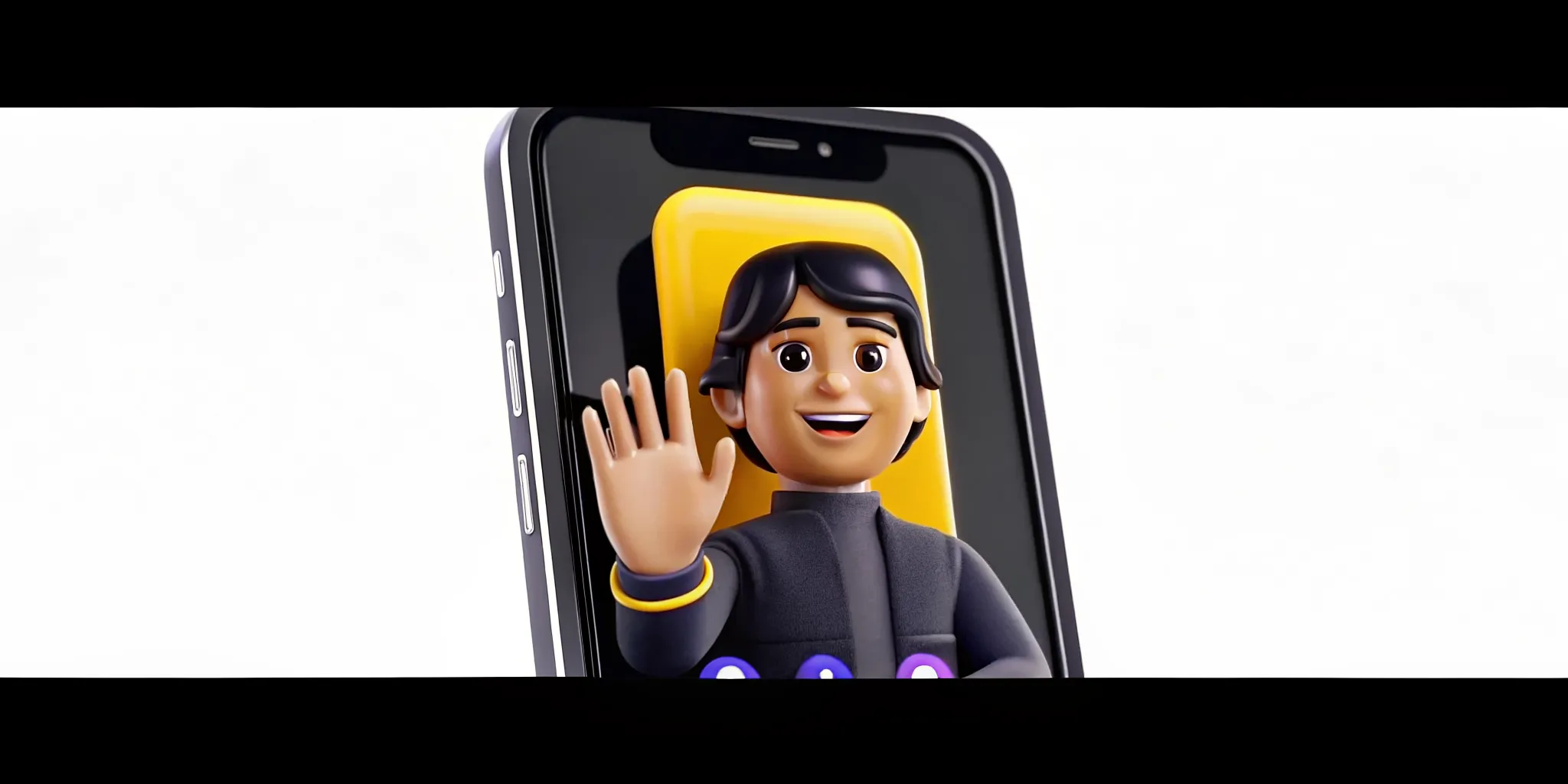
How does the system select the right gesture? It starts by analyzing the text and tone of the conversation. The tech scans the dialogue to find key emotion cues, emphasis points, and conversational beats. This analysis allows the system to predict which body movements fit best. You can learn more about these systems by reading about how Smart Avatars learn to move in digital environments.
Once the engine picks a gesture, the runtime blending layer takes over. This layer adjusts the speed and range of the motion based on the character unique trait profile. A hyper character might use wide, fast hand waves, while a calm character might only nod. This blending is critical for keeping AI-human interactions natural. A study in Scientific Reports highlights how real-time gesture algorithms must overcome complex timing challenges to maintain natural interaction quality.
How Facial Expressions Bring Emotion Into AI Chat
AI chat lacks real emotion because text cannot show feelings. Genies Chat solves this with an emotion-driven facial animation system. Characters react with natural, lifelike movements instead of blank stares. This tech turns quiet screen chats into deep, social bonds where every smile and eyebrow shift carries meaning.
How does a character show a quick smile? The facial animation pipeline follows a clear process:
Read your input. The system finds the feeling behind your words and maps that emotion to a 3D avatar head.
Map the emotion. This step requires precise control over facial movements to communicate emotions. The engine shapes the mouth, eyes, and brow.
Render the reaction. The character responds on screen with no lag, showing the matched expression immediately.
The second layer uses smart emotional modeling. A character does not just mimic you. It has a real mood of its own. If a character is shy, it might look down before it grins. The engine mixes your chat tone with the character backstory. This mix creates unique reactions that feel very human.
The final layer is dynamic blending. It smooths the transition from one look to the next. A character does not jump from sad to glad. The mouth corners rise slowly while the eyes crinkle. This smooth flow makes the 3D art feel like a living face.
Timing is everything when you talk to someone. If a friend smiles too late, it feels fake. The same rule applies to AI avatars. Delayed mimicry looks forced and cold. To solve this, scientists study how to predict human expressions. A top team found that a robot can learn to predict a smile about 839 milliseconds before a human smiles. This is called anticipatory expression matching.
This fast matching lets characters respond at the exact right moment. They do not wait for you to finish your sentence to react. They catch your tone as you type. They align their face with yours in real time. It makes the chat feel like a live, shared experience.
True social alignment requires shared moments. We bond when we share a laugh at the same time. This is called coexpression. In chat, coexpressing expressions requires correct inference of emotional states. The AI must guess what you feel. Then it must show that same feeling right away. Most older chat systems use simple rules to trigger pre-made animations. A user types a joke, and the avatar plays a laugh file three seconds later. That delay ruins the magic. Genies uses dynamic, real-time code to blend expressions. It lets the avatar react as you interact.
How Does Genies Coordinate Voice, Expression, and Movement in Real Time?
Coordinating speech, body movement, and facial changes at the same split second requires a fast, multi-step pipeline. Genies processes your words, picks an emotional state, builds a matching voice reply, selects body movements. And blends them into one smooth motion output so the character behaves like a real person.
Timing is the most vital part of nonverbal chat. If an AI character speaks first but gestures a few seconds later, the whole interaction feels fake and broken. Research published in Science Robotics shows that while verbal AI systems have grown fast, nonverbal systems have lagged behind. When a character reacts with voice, gesture, and expression coordinated in real-time, it bridges this big gap. The character looks and sounds like they actually mean what they say.
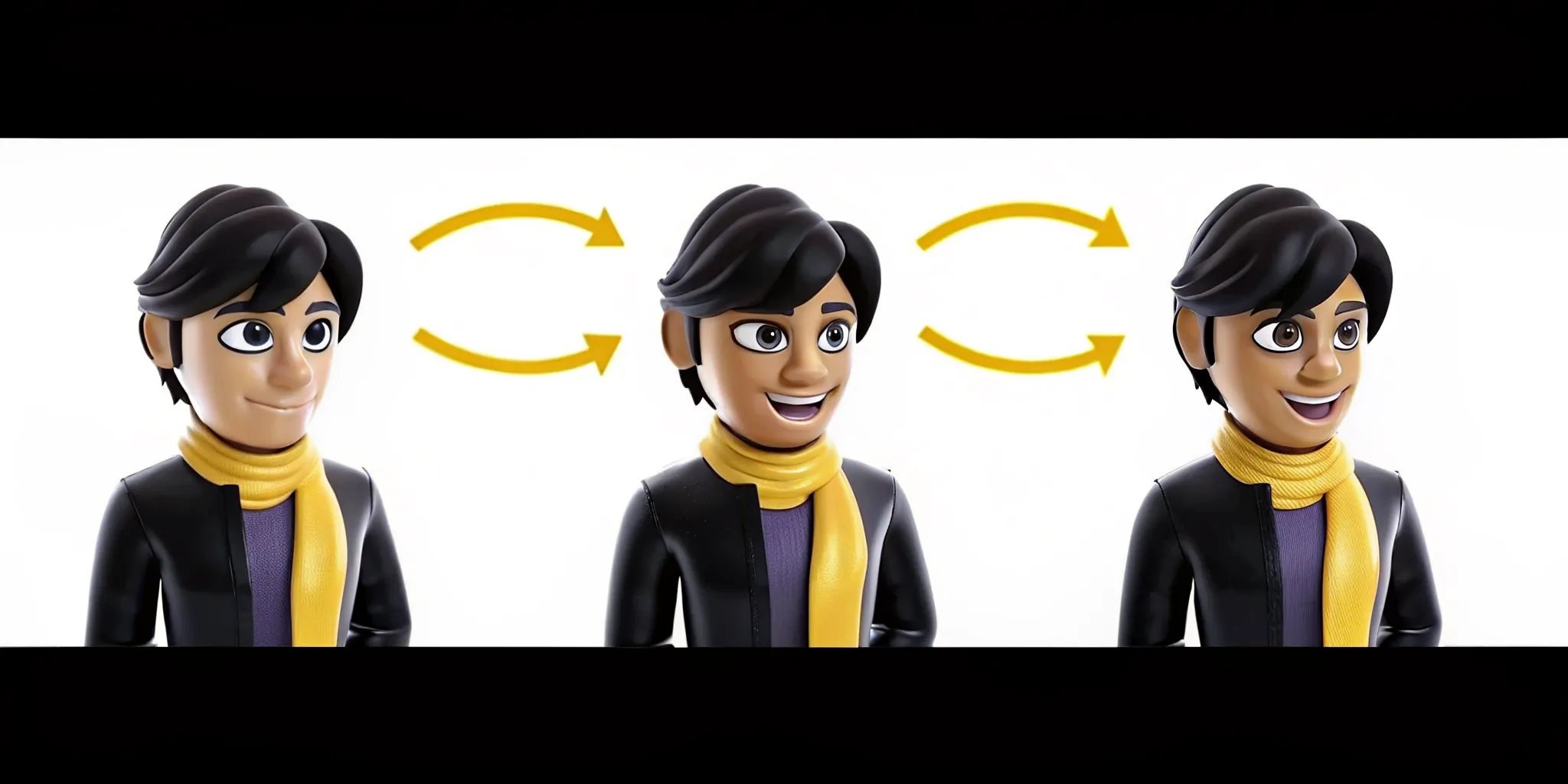
To keep everything in sync, Genies uses a custom behavioral AI system. This engine takes your text, maps the correct feeling, and sends it to three paths at once. It sends the words to a voice synthesis tool, an emotional facial map, and a body movement selector. Think of it like a conductor leading a band. Every instrument must play on the same beat to create a clear sound. This tool ensures that a happy voice tone always pairs with a bright smile and an open hand wave on the exact same frame.
When physical movement matches voice tones, the AI chat feels less like a machine and more like a real human. To see how these pieces come together in a live app, you can build with interactive NPCs. By linking facial changes and body poses directly to the dialogue stream, creators can build characters that truly react to what users say. This smooth mix of voice and physical action makes digital characters feel present, awake, and aware of the chat.
Why Real-Time Expression Is the Next Frontier for AI Chat
Real-time expressions and gestures are the next frontier for AI chat because nonverbal cues make digital interactions feel human. While text-only tools convey information, they miss the facial shifts and body language that build trust. Pairing dialogue with dynamic physical feedback bridges the gap between static replies and true conversational presence.
Most human communication is nonverbal. When you talk to someone, you watch their eyes, head tilts, and hands to find meaning. Standard chatbots strip these details away, leaving only flat text on a screen. Research shows that social alignment behaviors, like simultaneous smiling, are vital for successful interactions because they show mutual understanding and shared emotions. Adding real-time expressions and gestures brings this rich layer of human connection back into the digital space.
Timing is everything when showing emotion. If an avatar waits for you to finish speaking before it reacts, the delay feels robotic and cold. Simultaneous physical response, or coexpression, feels genuine because it matches natural human rhythm. Academic studies confirm that delayed facial mimicry looks disingenuous, whereas simultaneous expression makes the bond between humans and AI characters much stronger. Anticipating reactions in real time is the key to creating natural social bonds.
To understand why real-time expressions and gestures represent such a major leap, it helps to compare them to older formats. Traditional text-only bots offer zero visual presence. Pre-recorded video avatars rely on stiff, repetitive loops that cannot adapt to the moment. A live, expression-capable 3D character changes everything. The table below details how these different approaches handle the core parts of interaction.
Feature | Text Chatbots | Video Avatars | Genies Chat |
|---|---|---|---|
Real-time expression | None | Pre-rendered loops | Instant and fluid |
Gesture variety | None | Limited menu | Dynamic movement |
Voice sync | None | Basic lip flap | Coordinated cues |
User input type | Text only | Text or click | Interactive talk |
Character customization | None | Static template | Fully customizable |
Choosing the right format depends on your goal, but for deep engagement, live movement is crucial. Creators and brands can use tools like the 3D Avatar SDK to bring these highly responsive, game-ready characters into their own platforms.
How Can Developers Build With Genies Real-Time Expression Technology?
Developers can use Genies SDKs to bring 3D characters to life in their own apps and games. The Avatar SDK provides high-fidelity character integration for Unity projects, while the Smart Avatar SDK adds real-time AI behavior, memory, and personality. These are standalone developer products, not features of Genies Chat.
Developers who want to build digital worlds can use tools from Genies to bring 3D characters to life. While the consumer app is a fun showcase, the developer kits stand as separate products. They let you add virtual characters directly into your own game or app rather than building a custom system from scratch.
The core developer tool is the Avatar SDK. This kit gives you a full system to add high-fidelity, game-ready characters to Unity projects. It features an in-game editor, a modular outfit setup, and a system for user-made items. By using this tool, creators can quickly build unique characters that look great. To learn more about selecting the right platform, check out how to choose the right 3D avatar SDK for your team.
For deeper play, developers can use the Smart Avatar SDK to add a brain to their characters. This tool adds real-time expression, memory, and unique traits to non-player characters. This system helps developers build interactive NPCs that think and react on their own. Instead of following rigid scripts, these smart agents use real-time expressions and gestures to show how they feel during a chat. The Genies developer portal has more details on getting started.
Adding these physical cues makes virtual chats feel much more natural. Academic studies show that mutual understanding in social chat relies heavily on shared emotions. For example, a character that can match a smile in real-time feels more genuine than one with a delayed response. Using these tools helps developers build stronger bonds between users and digital characters.
Start exploring Genies Chat to see real-time expressions and gestures in action
Frequently Asked Questions
What technology allows AI avatars to show real-time expressions?
AI avatars show real-time expressions using advanced behavioral systems. Genies uses a motion synthesis engine, a facial expression system, and a library of over 1,000 gestures. These tools are detailed on Genies Tech. They sync with language models to map emotions directly to a character face as they speak.
How do gestures enhance AI chat conversations?
Gestures make digital chats feel like real human talks. Physical movements add context that text alone cannot provide. A study from Science Robotics shows that when facial expressions are timed right, they feel far more genuine. They indicate mutual understanding and shared emotions, which helps build stronger social bonds between humans and AI characters.
What is the role of real-time movement in Genies Chat?
Real-time movement in Genies Chat brings virtual characters to life. These movements help characters match their tone and personality in real time. Instead of reading simple text on a screen, users chat with characters who respond with natural voice, expressions, and gestures intact. Try it at Genies Chat.
How do AI characters maintain lifelike behavior during chats?
AI characters stay lifelike by coordinating voice, gestures, and facial movements at the same time. The technology relies on personality engines with persistent memory and emotional models. This sync ensures that character actions match the flow of the conversation without awkward delays.
How is real-time expression technology different from standard animation?
Standard animation uses pre-recorded clips that play on a loop or trigger at set times. Real-time expression technology generates movement on the fly based on live input. This means the character reacts to what you say and how you say it, rather than playing a canned response. The result is fluid, adaptive interaction instead of predictable playback.
Ready to experience real-time expressions and gestures?
Text-only chat makes digital interactions feel flat, detached, and empty. Waiting for a static screen to respond delays genuine connection when you need it most. By starting now, you can immediately interact with characters that match your energy, tone, and mood instantly.
Get Genies Chat to chat with fully animated characters who react with voice, expression, and personality in real time.