AI Avatars Gaming Industry Trends Shaping 2026
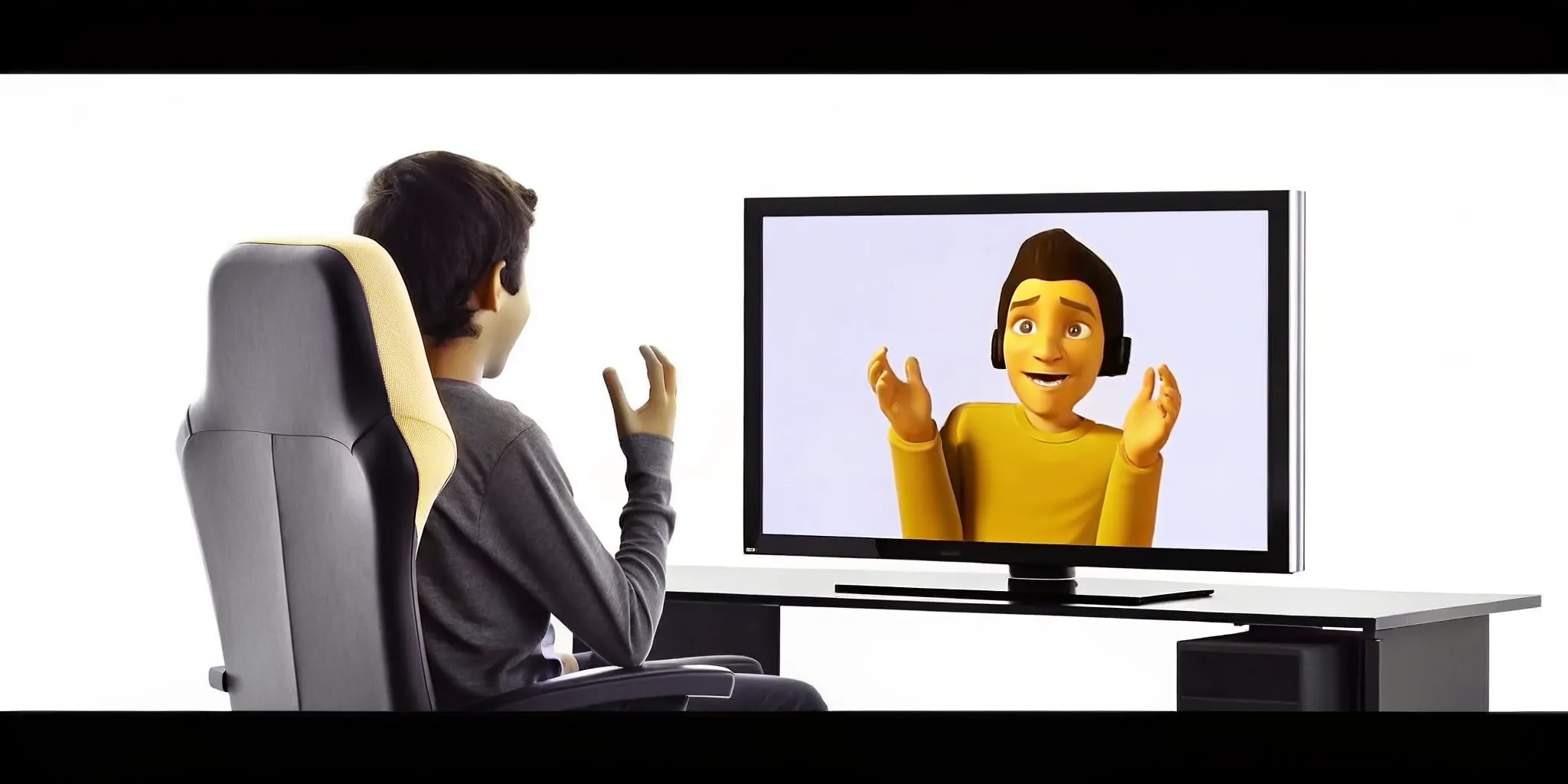
Gen Z and Alpha players are no longer satisfied with silent, static game characters. They want games where characters remember their choices and talk back like real friends.
Ready to bring living AI characters into your game? Get started with the Genies Avatar SDK and add smart, expressive NPCs to your next project today.
The ai avatars gaming industry is a massive shift from static, pre-written characters toward highly detailed, autonomous agents. These smart characters use artificial intelligence to react with real-time personality, memory, and emotional expression to make games feel alive. They can remember past player actions, adapt to player choices, and hold natural conversations instead of repeating the same dialogue lines. According to industry data, this technology helps game developers build immersive worlds that keep players engaged and boost retention in open-world games. By giving characters living identities, studios can build deeper connections and use modular systems to reduce manual coding time and high animation costs. These tools help teams build custom characters that think and behave like real personas.
To understand how this shift is happening, we must look at how these smart characters are built. Many players still wonder what makes these new characters different from old games. The path begins with What Are AI Avatars in Gaming in 2026?
What Are AI Avatars in Gaming in 2026?
In 2026, AI avatars in gaming are autonomous agents with their own memory, personality, and real-time emotional expression. Old static skins or basic non-player characters (NPCs) are tied to rigid dialogue trees. In contrast, these smart agents react to players and adapt to their choices as they play.
The shift from static skins to smart agents
For decades, the gaming world relied on fixed assets. Players chose a skin or met an NPC that could only say a few pre-written lines. Today, the ai avatars gaming industry has changed. Modern systems do not just show a 3D model. They build a living identity.
This shift is part of a larger trend of making digital worlds feel more human-like and reactive. Players no longer want to feel like they are alone in a virtual space. Instead, they want to feel like they are part of a living world that notices their actions.
This change is driven by player demand. Gen Z and Alpha gamers represent a massive demand shift toward high-fidelity, autonomous, AI-driven NPCs in games. Younger generations expect deeply personalized and interactive digital identities. To meet this demand, developers are using tools to build customizable AI avatars that can live and react in any virtual world.
The role of memory and emotional expression
AI avatars are moving beyond static NPCs to become autonomous agents that react with real-time personality, memory, and emotional expression. They do not follow simple paths. Instead, they think and act on their own. They can feel joy or anger based on what you do in the game.
These smart agents are no longer limited to simple dialogue trees. They now use complex, real-time behavior models. A character might remember that you helped them in a past quest. This memory will change how they talk to you later. It can turn a simple merchant into a loyal ally, making the game world feel truly alive.
How player interaction drives retention
This depth does more than just look cool. It keeps players coming back to the game. NPC interaction is a primary driver of player retention in modern games. When players feel a bond with a character, they stay longer. They want to see how their choices will shape the world next.
Smart characters can also make each play session unique. Since their actions depend on player history, you get a new story each time you play. This boosts replay value for developers. It also builds a deep link between the player and the virtual world that keeps them engaged.
How the AI Avatars Craze Is Reshaping the Gaming Industry
The craze around AI avatars in the gaming industry is truly changing how we play. By turning static characters into smart, living identities, this shift gives players personal, lively worlds. Modern games now use these smart characters to build deeper bonds and unique player journeys.
Characters with lasting memories
In the past, video game characters forgot everything as soon as a talk ended. Today, game makers are using smart tools to create NPCs with memory. By bringing in AI-powered avatars in the gaming industry, studios build characters that recall your choices. They remember your past actions, help you if you are friendly, or hold a grudge if you cross them. This makes the game world feel like a solid, real place where your actions have true weight.
These characters do not just stick to stiff dialogue trees. They use smart software to talk with you in natural ways. If you change how you play, their mood changes too. This shift means two players can have very different chats with the same character, based on how they behave.
Boosting player retention and replay value
When game characters feel alive, players stay hooked. NPC interaction is a primary driver of player retention, mainly in open-world games. Players spend more time in worlds with rich character systems. When you build smart characters with minds that change as the story goes on, players want to play the game again and again.
This boost to replay value is a huge win for game studios. Instead of building massive new maps, makers can use smart design to keep games fresh. By working on building smart games with AI, studios create quests that adapt to how you play. Each play-through feels like a whole new quest, which keeps players happy and active for months.
Studios see major wins when they use smart NPCs:
Longer play sessions as players dive deeper into the story.
More social sharing when players compare their unique chats.
Better retention rates as the world reacts over time.

The rise of conversational NPC technology
The year 2026 is seeing the wide adoption of conversational NPC tools across many genres. Big tech players are paving the way for these digital humans. For instance, NVIDIA ACE provides a suite of tools that help makers bring digital characters to life. This tech helps game makers build avatars that speak, think, and react with real-time speech and smooth, life-like face movement.
With these new tools, game makers can easily add high-fidelity characters that fit into their games. Instead of writing thousands of lines of dialogue, writers can set up goals and traits for each character. This allows the AI to handle the rest, which makes the world feel alive. The result is a shift from static quests to natural, growing virtual worlds.
Want to see how living AI avatars feel in action? Try Genies Chat to talk with interactive 3D characters, or reach our team about building your own.
Why UGC Avatar Systems Are Becoming a Player Expression Engine
User-generated content (UGC) avatar systems serve as player expression engines by replacing rigid, pre-made skins with fluid digital identities. Through modular wearables and AI-driven customization, players can design high-fidelity representations that reflect their unique personalities. This shift allows game developers to meet the rising demand for personal expression while lowering production overhead.
The Shift to Fluid Digital Identity
Younger players no longer want static in-game characters. Instead, they seek highly personal, expressive digital identities. For Gen Z and Gen Alpha, self-expression is a core part of gaming. These players expect their online personas to feel unique and alive. Generative AI accelerates asset creation for the ai avatars gaming industry. This tech speeds up the design of 3D wearables and digital props. These systems help the industry deliver deep personalization.
Modular Customization and Automated Assets
Traditional character design is slow and costly. Each new outfit needs manual modeling, rigging, and testing. To solve this, developers are adopting AI to automate the creation of modular wearable items. This approach allows for infinite avatar customization without extra work. By using these modular, scalable systems, game studios can reduce both character production time and overall costs. Developers can use tools to build 3D avatars for Unity games with ease. This helps them scale their character pipelines quickly.
For a long time, small studios struggled to build complex character systems. Large teams had to spend months on manual design. Now, modular systems level the playing field. Developers of all sizes can use AI tools to generate 3D assets on the fly. This shift drastically cuts down the time needed to ship new content, helping teams stay competitive.
Interactive Creations in the Game Ecosystem
Interactive avatar systems also change how players build in games. AI-powered NPCs can react to player-made items in real time. This means players can interact with AI-driven creations within the game ecosystem. This mix of UGC and AI boosts player agency. It turns every virtual world into a living space where user designs have direct, visible impact.
When players can create their own items, games feel more personal. AI characters can look at a player-made jacket and comment on its style or color. This makes player expression feel real and valuable. Instead of showing off items to other humans only, players get feedback from the game world itself. It makes the entire environment feel reactive and alive.
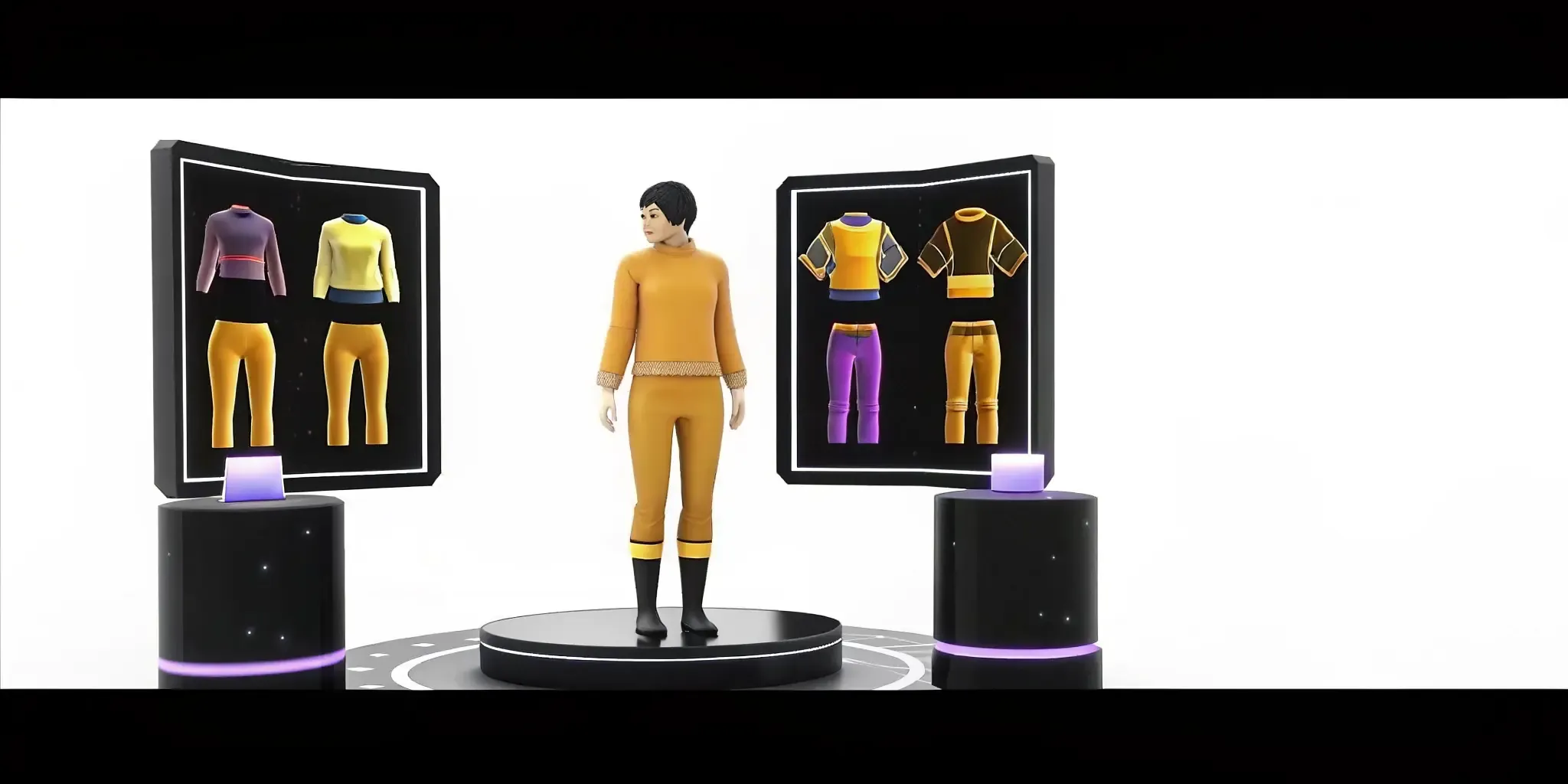
The table below contrasts static in-game cosmetics with modular, AI-driven avatar systems.
Feature | Static In-Game Cosmetics | Modular UGC AI Avatar Systems |
|---|---|---|
Customization Level | Fixed presets and skins chosen from a menu. | Infinite modular wearables and items created by AI. |
Development Cost | High cost for manual rigging, modeling, and testing. | Low cost through automated and scalable asset systems. |
Player Interaction | Skins do not change or react to gameplay. | Avatars react with real-time personality and expression. |
Cross-Game Use | Locked to a single game and closed platform. | Interoperable identities that move across games. |
Can You Carry the Same Avatar Across Different Games?
Cross-game interoperable identities are digital profiles that allow players to carry their unique avatars, items, and clothing across different games. Players now expect their online personas to travel between virtual worlds. This technology creates a unified profile that connects separate games into a single network.
A shift in what players expect
For years, players bought skins that stayed locked inside one game, losing their progress and items when they left. Now, players expect their digital self to move with them. This demand is changing how studios build games. Players want their investments in items and gear to last across multiple titles.
Using ai avatars in the gaming industry helps meet this new expectation. Instead of starting from scratch in every world, players can sign in with a single persona. That identity carries their look, behavior, and history. This makes each new game feel like part of a larger, connected world.
Modular wearables and assets
In the past, making clothing that fits many different character models was a huge task for developers. AI technology changes this by streamlining how games create cross-platform, interoperable items. AI tools can auto-fit shirts, hats, and shoes to different body shapes. This means players can buy a digital jacket in one game and wear it in another.
This fast creation of items is vital for modern games. Generative AI helps developers design 3D wearables much faster. Tools like the Genies Avatar SDK provide these modular systems. Developers can set up avatar generation and in-game clothing without spending years on manual art.
Simpler tools for game developers
Building a connected game world used to need complex backend systems. Now, game engines make it much easier to build and deploy these features. Placing AI persona logic directly into game engines like Unity reduces the barrier to entry for creators. Developers no longer need huge teams to design smart, reactive characters that feel alive.
This ease of use helps indie studios compete with major brands. By using ready-made tools, small teams can build vast worlds where players interact with intelligent, persistent profiles. As this tech grows, the line between separate games will blur. Players will move from game to game with a single identity, shaping a truly open network of virtual worlds.
In the end, players will gain full control over their digital lives. They can build a reputation, earn or buy items, and grow their character across many platforms. This shift is not just about moving files between games. It is about creating a true digital identity that belongs to the player, not to any single game studio.
How Genies Plays Center Stage for Developers and Players
Genies anchors the shift toward smart virtual personas by offering two distinct, strong paths for the gaming market. Developers use standalone Genies SDKs to build custom, modular character systems for their own projects. Meanwhile, players chat with living, reactive characters inside Genies Chat. Together, these tools bring custom and lively AI characters to both creators and players.
The consumer sandbox of Genies Chat
For players, the main entry point is Genies Chat, where smart 3D characters come to life. Instead of sending text to a plain box, players chat with moving characters. These characters match tone, expression, and body language in real time. They have unique personalities, backstories, and distinct avatars. Players can customize their looks and share their stories in this lively social space.
Partnering with major names, Genies has brought characters to life with MLB Players Inc., the NBPA, Sanrio, and WEBTOON. These smart personas let brands move past basic links to build deep, immersive worlds. Several partners have already reached over 100 million active users each month. This scale shows how much players enjoy chatting with their favorite stars. It builds a strong bridge between real culture and digital play.
Standalone tools for game creators
While players chat, developers can build their own systems using the standalone Genies SDK. This suite includes the Avatar SDK for modular character builds and the Smart Avatar SDK for smart NPC behavior. These tools are not just features of Genies Chat. They are separate products built for any game studio to use in its own engine.
Developers choose these tools because players want unique, personal avatars. These tools offer modular systems for avatar design, in-game clothing, and cross-game use. This helps game studios save time and cost when building deep character assets. Building with these tools makes character design fast, simple, and scalable. Creators can focus on making great gameplay instead of spending months on basic character art. This keeps design work smooth and fast.
Creating deep character links is key to keeping players active. Interactive NPCs are a main driver for player retention in open-world RPG games. By using smart design, developers can build worlds that players want to visit often. High-quality character links keep users active over the long term.
A foundation for next-generation virtual worlds
Genies has invested 100 million dollars and five years of research into its visual and embodiment layer. This massive effort aims to make the ai avatars gaming industry shift feel more human-like and reactive. This long-term focus has created a strong platform for building lifelike characters. It bridges the gap between static art and dynamic AI models.
By bringing AI to life, Genies creates living identities that think, behave, play, and express themselves in real time. These characters do not just stand in one place waiting for a player. They have their own routines, needs, and social links.
Games become vibrant spaces where characters act on their own and adapt to player history. This tech changes static virtual worlds into living digital spaces where every character has a voice. The next era of gaming will be built on these smart systems. Genies leads this shift by giving creators the exact tools they need.
What the 2026 Gaming Landscape Means for Developers
The 2026 gaming landscape demands a shift from static design to active, living worlds. For developers, players now expect custom styles. Studios must use modular tools to build smart characters and worlds that last without ballooning development costs.
The growing market for smart games
The shift to smart gaming is no longer a slow trend. Industry data shows huge growth in this space. A report by Phrase shows the market for AI in gaming will reach 8.29 billion dollars by 2029. This is a 30 percent yearly growth rate. This rapid growth shows why developers are moving to build systems that talk right now.
In 2026, the industry expects a wide adoption of NPCs that talk. Studios are using these new tools to build smart characters that react right now. These high-fidelity AI personas are essential to build persistent worlds that stay active when players log off. This makes games feel more real. Players want environments that evolve even when they are not playing.
New opportunities for indie and large studios
This new landscape offers big opportunities for both indie and enterprise teams. Building smart systems used to take too much time. But now, smart tools level the playing field. This means small teams can build deep, reactive games without huge budgets. Character interactions are a primary driver of player retention in open-world RPGs. Interactive characters keep players coming back day after day.
Developers can use these key takeaways to stay ahead in 2026:
Focus on player agency by giving NPCs memory and behavior that adapt in real time.
Use modular systems for character creation to save time and reduce coding costs.
Let players design their own style through smart, modular wearables and custom assets.
The bridge to smart assets
To meet these demands, developers need the right tools. Standard engines are great for graphics. But they need extra help for smart behavior. Using pre-built tools is the best way to bridge this gap. By adopting systems like the Genies x Unity setup, teams can build smart, expressive characters quickly. These tools help studios focus on gameplay rather than building complex brains from scratch. This lets you ship your game much faster.
Adding high-fidelity, interactive personas to your project is now simple. Developers can easily add them without spending years on research. These tools help you start building today.
Ready to ship a game with living, memorable characters? Book a demo with the Genies team and get your smart avatar system running in days, not months.
Frequently Asked Questions
How do AI avatars improve player retention in games?
Smart characters keep players interested by making game worlds react in real time. Non-player character interaction is a top driver of long-term play in open-world games. When virtual characters remember past player actions, they build a cohesive world. This keeps players coming back to see how their choices unfold.
How do game developers benefit from modular avatar systems?
Building custom game characters from scratch takes huge amounts of time and money. By adopting modular character systems, studios can lower production costs and speed up build times. This lets indie developers offer high levels of avatar personalization without the cost of manual animation. Teams can then spend more resources on core game mechanics instead.
Can players use the same digital identity across different games?
Yes, players now expect their digital identity to travel with them. Traditional games lock skins and items to a single platform. Modern tools like the Genies Avatar SDK use modular design to support cross-game avatar interoperability. This means players can carry their unique look, clothes, and items across different game worlds built on the same system.
Why are younger players driving the shift to AI avatars?
Younger players want to express themselves in virtual spaces. Gen Z and Alpha players do not want static, boring characters. They expect high-fidelity, personalized digital identities that can react and speak in real time. They want games that offer deep customization so their virtual selves feel as unique and alive as they do in the real world.
Ready to build the next generation of games?
Game makers who stick with old, quiet NPC systems will lose players to major studios that are already building living, smart virtual worlds. Starting today ensures you can grab your share of this fast-growing market before the space becomes too crowded and costly for smaller teams. By adopting these simple developer tools right now, you get a full character and clothing system that works on day one.
Ready to book? Get a free consultation today to get started with the Genies SDK or schedule a demo. Our team of game experts is standing by to help you set up your new system. We will guide you through each step of this simple process.