AI Avatars vs AI Chatbots: Why Character Matters
Text chat can give you a sharp answer, but it still arrives as text on a screen. A character can make the exchange feel more present: a voice shifts, a face reacts, and a personality shows up before the next line lands. That is the core of Genies Chat, where characters like Dream and Mo Vlogs bring the difference to life.
AI avatars vs AI chatbots is less about choosing a smarter model and more about how that intelligence reaches you. A chatbot replies with words. An embodied avatar adds a face, voice, mannerisms, and real-time expression, turning a response into a character-led interaction with more cues to read.
Try Genies Chat and talk to a character like Dream or Mo Vlogs right now
That visual layer changes the conversation in small but meaningful ways. It also raises a better question than whether a face is merely decoration: what does the character communicate when it reacts?
What Actually Changes When an AI Character Gets a Face
An AI character with a face is not just a chatbot wearing a nicer profile picture. It adds a visual layer that can reflect tone, attention, and emotion while the conversation unfolds. That is the practical difference between a text response and a fully realized persona that looks, thinks, behaves, and plays like a living identity.
Text is good at carrying information. It is less good at showing what the interaction feels like. A character can pause, look amused, react with its hands, or shift its expression before the next line lands. Those cues do not replace language. They give language somewhere to live.
Genies describes this as the visual layer for LLMs. The point is not to decorate an answer with a face. The point is to connect the model's output to a character with a consistent identity and visible behavior. A useful avatar should make the conversation easier to read, not turn every exchange into a screensaver with opinions.
Presence: the character occupies the interaction instead of disappearing behind a message bubble.
Context: expression, posture, and timing add signals that plain text has to spell out.
Identity: personality and behavior remain recognizable across the conversation.
That added presence can affect trust, although it does not create trust automatically. In a recent study of an AI-generated surgeon avatar for patient education, all participants rated the avatar as trustworthy and found its information believable. The study also found that most participants recognized the avatar as their surgeon, while many still understood that the interaction was artificial. That distinction matters. Good design does not ask people to forget they are talking to AI. It gives them a clearer, more usable way to engage with it.
The same lesson applies outside healthcare. A face can make an AI interaction more legible, memorable, and specific, but the character still needs coherent behavior behind it. Without personality, responsive movement, and a reason to exist, an avatar is just a digital face waiting for a better brief. With those pieces in place, the interface starts to feel less like submitting prompts and more like meeting a character with something to say.
That is what an AI avatar actually is: not a cosmetic layer, but a visible identity connecting intelligence, behavior, and interaction.
Inside Genies Chat: Meet the Characters You Can Talk to Right Now
The platform is a web product for exploring and talking with interactive, 3D animated AI characters. Each character arrives with a distinct personality, backstory, and avatar, so the conversation has a point of view before you type your first message. The result feels less like opening another blank chat window and more like choosing who you want to hear from.
The character lineup is organized around three different moods:
Stories & Fantasy: imaginative worlds, roleplay, and adventure.
Celebs & Experts: recognizable creators and voices with something specific to say.
Life & Relationships: conversations shaped around everyday connection and personal interests.

That structure matters because the character is not just decoration around a language model. Personality and context guide the conversation, while the animated avatar gives it a visible identity. A character can react with tone, expression, and behavior that fit who they are. You are not sorting through anonymous responses. You are meeting a cast.
Dream brings the adventure energy
In Stories & Fantasy, Dream is a live character with a roleplay and adventure vibe. The appeal is straightforward: if you want a conversation that feels like it belongs inside a story, you can start there. Dream gives the format a little more momentum than a generic prompt-and-response loop. There is a world to enter, a personality to learn, and a reason to keep the exchange moving.
Mo Vlogs talks strategy
Mo Vlogs is live in Celebs & Experts as a Minecraft creator who wants to talk strategy. That makes the interaction more focused. Instead of choosing a character solely for a visual style, you can choose one because the subject and persona match what you want to discuss. The avatar, voice, and backstory work together to make that choice legible from the start.
You can browse the live lineup of characters today. If you want the broader context first, this guide to how AI avatar platforms compare covers the category without asking this product to be something it is not. Here, the point is simpler: pick a character, bring a question, and see what changes when the conversation has a face and a personality.
How AI Avatars vs AI Chatbots Differ in Real Time
The two differ most in how much of the conversation arrives beyond words. A text chatbot sends language through a screen. An embodied avatar can answer with voice, timing, facial expression, gestures, and a responsive 3D presence, giving the interaction more social information without asking the user to decode every feeling from a sentence.
A static avatar is mostly a picture attached to a system that does the actual talking elsewhere. It may look polished, but the image does not necessarily remember context, convey personality, or react as the exchange changes. That gap matters. A face that never moves is decoration. A character that responds in the moment becomes part of the conversation.
Smart Avatars add the missing layer: real-time voice, mannerisms, and 3D visual reactions. The words still matter, but so does the delivery. A pause can signal thought. A change in expression can make a playful line land differently from a serious answer. Small movements help establish whether the character is amused, curious, uncertain, or fully locked in. The result feels less like reading a stream of replies and more like taking part in a shared scene.
What body language adds
Tone: Voice and timing give emotional shape to an otherwise flat sentence.
Context: Gestures and expressions can reinforce what the character means without adding another paragraph.
Continuity: A consistent look and behavior make personality visible across the conversation.
Attention: Responsive movement signals that the character is reacting to this moment, not merely returning a stored pattern.
How They Compare | Text AI Chatbot | Embodied AI Avatar |
|---|---|---|
Main channel | Text (sometimes voice output) | Voice, expression, movement, and text together |
Presence | A message bubble or panel | A character with a visible identity |
Personality | Carried by words and tone | Shown through look, mannerisms, and timing |
Best for | Quick answers and task completion | Play, storytelling, and connection that feels present |
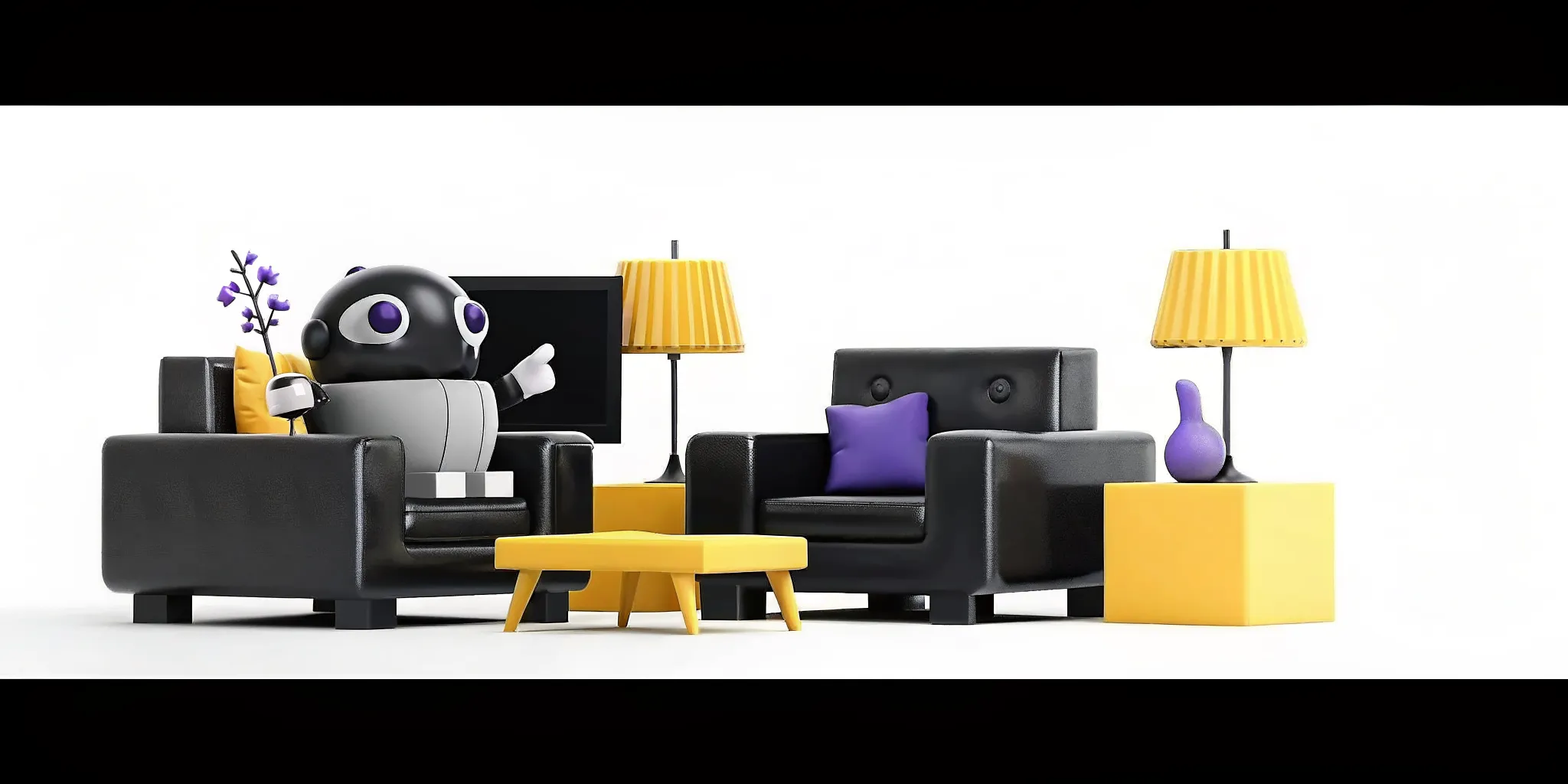
This is also why the visual layer should not be treated as a cosmetic add-on. It gives language somewhere to go, and it is the same reason an AI avatar is more than a profile image.
Does embodiment make the system less accurate?
Not necessarily. A study of an embodied conversational agent reported that the avatar answered 297 of 300 patient queries correctly, or 99 percent. The result does not mean every avatar system will reach that level, and it is not a substitute for domain-specific evaluation. It does show that a visual, voice-driven interface does not automatically trade useful answers for personality. The full study provides the context behind that result.
The same research found a low eeriness score of 1.57, while 96.7 percent of participants rated the avatar visually pleasing. That combination matters because realism can backfire when behavior feels strange or mismatched. Good embodiment is not about making a character look as human as possible. It is about making appearance, voice, movement, and response feel like they belong together.
Text remains the right interface for plenty of tasks. But when the goal is personality, play, or a stronger sense of presence, real-time expression changes what a conversation can be.
Start chatting with a character and feel the difference yourself
What the Embodiment Layer Means for Apps, Games, and Brands
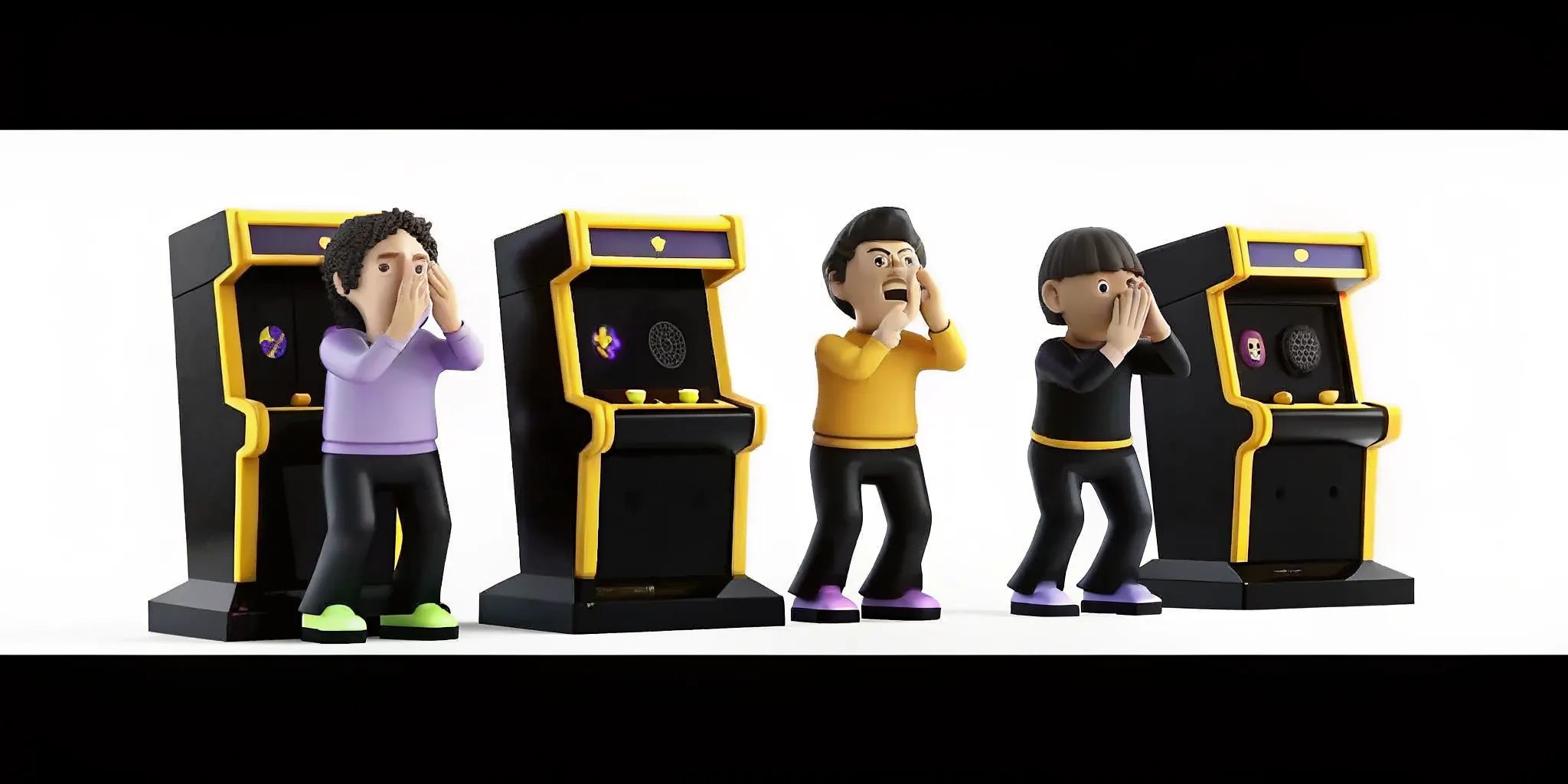
The embodiment layer gives AI a way to show up, not just answer back. It connects language, appearance, movement, and behavior so a persona can feel native to a game, app, or brand world. For builders, that means the character becomes part of the product's identity instead of another chat window sitting beside it.
Genies is built on a straightforward belief: every website, app, game, brand, and human will have an AI persona. That does not mean every interface needs a talking mascot. It means people will increasingly expect digital identities to have a recognizable look, a consistent point of view, and behavior that fits the context. A game character can participate in play. A brand persona can meet fans in its own voice. An app can give users a more legible way to interact with its intelligence.
Why this matters at scale
Building that layer well takes more than attaching a face to a language model. Genies says it has raised $200 million from Silver Lake, BOND, and Bob Iger, and invested $100 million and five years of research and development in the visual and embodiment layer for AI. The investment signals a practical challenge: believable characters need coordinated work across looks, behavior, expression, and play.
Scale matters too. Several Genies partners have more than 100 million monthly active users, which puts a higher bar on consistency, performance, and character quality. A persona that works in a demo but falls apart when millions of people interact with it is not much of a product. The visual layer has to hold together across devices, contexts, and repeated conversations.
Separate tools for developers
Genies' developer tools are separate from the consumer chat product. The Genies Avatar SDK provides high-fidelity, customizable, game-ready characters and UGC for Unity projects. The Smart Avatar SDK adds AI behavior, including personality, memory, and real-time expression. Together, they give developers a foundation for building characters into their own products, rather than sending users to a standalone chat destination.
Apps: Give an assistant a distinct identity, visual presence, and behavior that matches the product.
Games: Put AI characters into gameplay with game-ready customization and responses that fit the world.
Brands: Let creators and IP owners build personas that carry recognizable style and personality across digital touchpoints.
For a closer look at the developer architecture, read about the Genies Smart Avatar architecture. If you want the broader interaction model, this conversational AI avatars 101 guide explains why embodiment changes the role an AI character can play.
How to think about adding character to a product
Start with the role: decide whether the persona is an assistant, a playable character, or a brand face, because that choice sets the brief.
Pair the model with a consistent identity, including look, voice, and behavior that match the context.
Test for expression and timing, not just accuracy, since delivery shapes how people read the response.
Measure engagement over time to confirm the persona adds value instead of decoration.
Frequently Asked Questions
What is the difference between an avatar and a chatbot?
A chatbot mainly communicates through text. An AI avatar adds a visible, animated character that can respond with voice, facial expression, body language, and personality. The distinction is not just a face on the screen. It is the way the character's presence shapes the conversation.
Are avatars considered AI?
An avatar can be a simple digital image, so not every avatar is AI. An AI avatar combines that visual identity with an AI system that interprets input and generates a response. In an interactive character, the result can include spoken dialogue, movement, mannerisms, and reactions that fit the character.
What is the difference between an AI model and a chatbot?
An AI model is the underlying system that processes information and generates outputs. A chatbot is a product or interface built around one or more models so people can have a conversation. An avatar layer can then give that conversation a visual identity, voice, and behavior without being the model itself.
What makes animated AI characters different from text-based AI chat?
The platform lets people interact with fully animated 3D characters with distinct personalities and backstories. Characters can respond through voice, mannerisms, and real-time visual reactions instead of sending text alone. The lineup spans Stories & Fantasy, Celebs & Experts, and Life & Relationships, so the character matters as much as the reply.
Is ChatGPT a chatbot or an AI agent?
ChatGPT is best understood as a conversational AI product built around language models. Whether a system is called an agent depends on whether it can pursue tasks, use tools, or take actions beyond replying. The label describes what the software does; it does not determine whether the interface is text, voice, or an animated character.
Try Genies Chat Yourself
Text can carry a conversation, but a character can bring voice, expression, and personality into the moment. If you want to see how that changes the feel of AI chat, try it for yourself.