
Expressive AI Avatars: Why Voice, Face, and Movement Matter
Trading messages with a gray text box is the loneliest way to use the internet. Your digital self should have a personality that people can see. Genies Chat is where AI personas come to life so you never have to talk to a box again.
Try Genies Chat Today to Bring Your AI Persona to Life
Expressive AI avatars are digital characters that use voice, face, and body movement to mimic how humans talk. These models do more than just show a pretty face. They match speech with natural cues to build a sense of presence. Users interact with characters that react in real time with unique backstories. Research shows that expressive digital embodiments can even help people manage mental health by making difficult dialogues feel natural. This tech creates a living digital self that looks and thinks like a real person. By merging realistic lipsync with motion, these avatars turn basic AI chat into a deep connection that keeps people involved in any digital space.
Static images cannot hold our attention for long in a world built for live chat. You need to know how these digital identities work before you use them. We must look at What Are Expressive AI Avatars and Why Do They Matter? The path begins with
What Are Expressive AI Avatars and Why Do They Matter?
Expressive AI avatars are more than just digital faces on a screen. They offer a new way for humans and machines to connect. These avatars use smart tech to show feelings and move like people do. In the past, AI looked like text boxes or flat images. Now, they are characters with real bodies that can talk, react, and play.
From static faces to interactive characters
The way we see AI is changing fast. For years, digital characters were stuck as static pictures. Today, expressive AI avatars have grown into active characters that feel real. This change is about more than just better art. It is about how the AI moves and acts in a digital space.
True expression does not come from a still image. It comes from human movement patterns. AI characters are now defined by how they move their bodies and faces in sync. Instead of a robot that just blinks, these personas learn how to shrug and tilt their heads. This makes them look less like a tool and more like a living being.
Why visual presence drives engagement
Visual presence is the key to holding a person's interest. When we talk, we use more than just words. We use our hands and our posture to share meaning. For an AI to feel real, it needs these non-verbal cues. If an avatar stands still while it speaks, it feels cold. But when it uses gestures, it starts to feel alive.
Studies show that digital forms can have a big impact on how we feel. For example, research in cybertherapy shows that avatar tech can help people in mental health care. This is because a visual persona makes the talk feel more safe and personal. When you can see an AI react to you, you are more likely to stay engaged.
This visual layer is what makes tools like Genies Chat stand out. Instead of typing into a blank box, you talk to characters with their own styles. They react with voice and expression in real time. This makes the chat feel like a real talk with a friend. Visual presence turns a simple app into a deep world where characters have their own lives and stories.
How Do Expressive AI Avatars Work?
Expressive AI avatars do not just appear. They are the result of smart tech that brings digital characters to life. Most bots just show a flat face or text. But true avatars use deep layers of code to move like real people. They blend sound, text, and 3D shapes to build a person that feels real. This is why expressive AI avatars are changing how we talk online.
The power of multimodal models
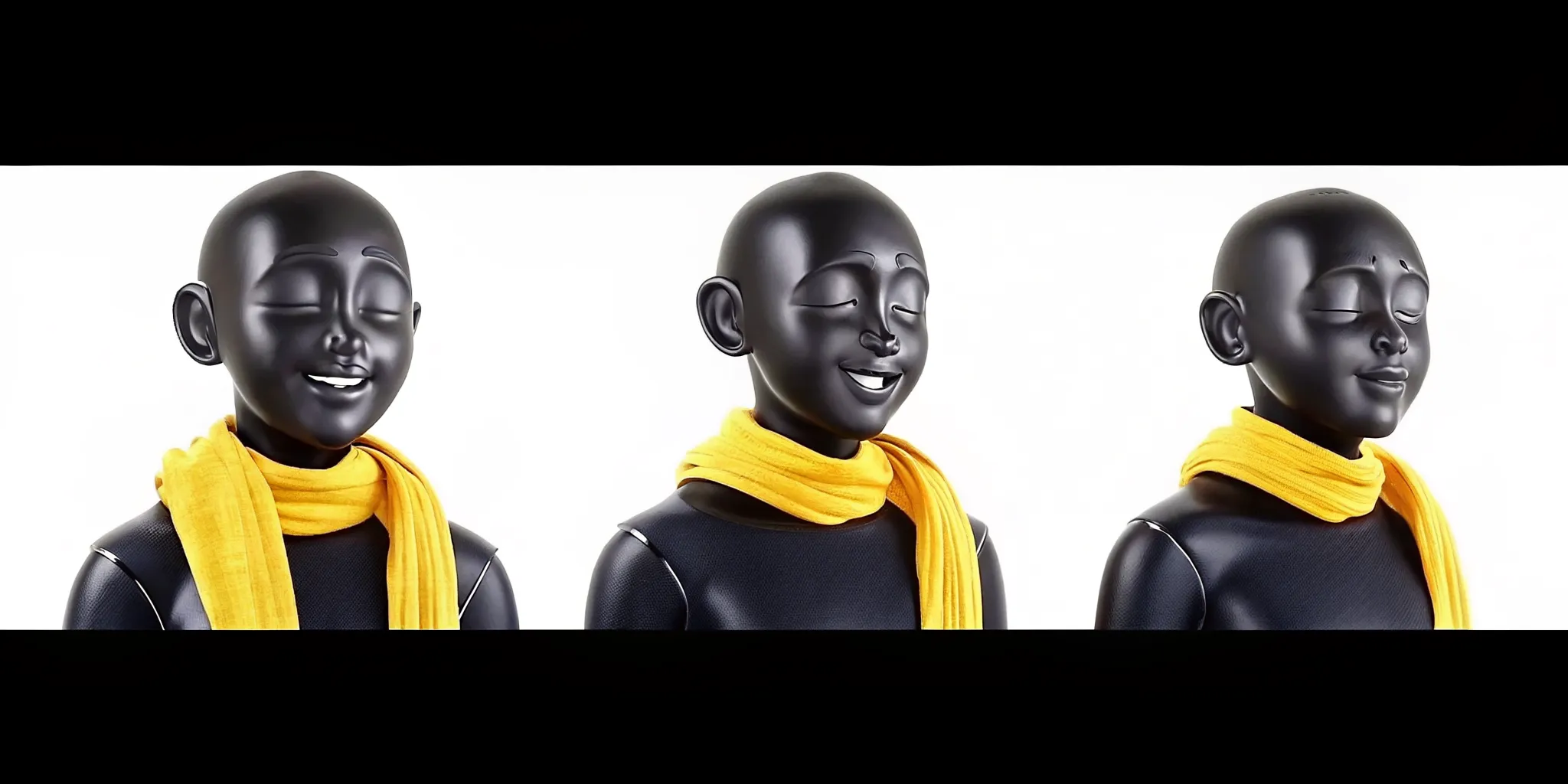
The core of this tech is a mix of tools called multimodal models. These models look at many types of data at once. When an avatar speaks, the AI does not just play a sound. It looks at the words and the tone of the voice. Then it picks the best facial looks and hand moves to match. The goal is to make the character act in a natural way. Research shows that multimodal models match scripts with natural facial expressions and movements to keep things smooth (F005).
This process happens fast. The AI links the brain of the character to its body. It must time the lips with the sounds. If the timing is off, the avatar looks fake. But when it works, it creates immersive AI character interaction . The character moves its eyes and tilts its head to show it is listening. This blend of cues makes the digital person feel like a living thing.
Living in real time
One big shift in this field is speed. In the past, you had to wait for a video to load. Now, advanced AI models work in real time . This means the character reacts while you talk to it. The AI does not need to prep a video. It builds the moves as they happen. This shift to real-time expression allows for dynamic engagement with users (F019). It keeps the flow of a chat alive and well.
You can see this in action with products like Genies Chat . In these chats, AI characters match your mood and pace. If you sound happy, the avatar smiles. If you are sad, it may look down. This quick feedback makes the chat feel less like a bot and more like a friend. It fills the gap between a cold screen and a warm talk.
Learning how to move
To move well, AI needs to learn from us. Experts train these models on thousands of human moves. The AI learns how we wave, shrug, and nod. This training is the key to AI-powered digital expression . It helps the avatar stay in character. A hero might stand tall, while a shy character might cross their arms. These small bits of polish add up to a big result.
This tech is not just for games or fun. It has real uses in health too. Some doctors now use digital avatars for therapy. Studies on avatar tech in mental health show that patients often feel safer talking to an avatar (F003). The avatar can show care without the pressure of a real human face. This helps people open up and face their fears in a safe way. The tech makes the chat feel both personal and useful.
The Anatomy of Expression: Voice, Face, and Movement
To build expressive AI avatars , you have to look at how humans share feelings. It is not just about a pretty face or a clear voice. True immersion comes when voice, face, and body movement all work together. When these three pillars sync up, an expressive AI avatar starts to feel less like a bot and more like a living identity.
Voice and facial timing
Timing is the key to making an AI character feel real. If the lips do not match the sound, the brain rejects it. This "uncanny valley" happens when the timing is just a bit off. Smart models now train on human data to fix this. They match every sound to a specific mouth shape. This immersive AI character interaction makes the chat feel natural and deep.
But voice is more than just lip-sync. It is about the tone and the small pauses. A character might sound happy, but if their face stays flat, the magic breaks. Characters on Genies Chat use an engine to match their mood to their words. This lets them show joy, doubt, or surprise in real time. Research shows that emotional expression is a big driver for engagement in these digital spaces.
Body language and movement
Embodiment means the whole body has to join the talk. Humans use their hands, shoulders, and head to add meaning to words. If an avatar stands still while it speaks, it looks like a statue. For true AI-powered digital expression , the AI must learn human patterns. It needs to know when to tilt its head or shrug its shoulders.
Models are now trained to mimic how we move. This helps the avatar react to the context of the chat. If the talk is sad, the avatar might look down or move slowly. If it is a joke, it might lean in and laugh. Using digital embodiment in therapy has even shown clinical potential to help with distress. This proves that how a digital being moves and looks can have a real impact on how we feel.
Physical mannerisms and quirks
What makes a persona feel unique? It is the small quirks. One character might blink often. Another might lean to one side. These physical traits help build a backstory. They make the AI feel like a person with a life of its own. These mannerisms stay the same whether the character is happy or sad. This consistency is what helps a user bond with an AI persona over time.
Why Are Expressive AI Avatars Important for Business and Creators?
Old video work takes a lot of time and money. Firms often spend weeks and thousands of dollars to make one short clip. Now, expressive AI avatars offer a new path.
These digital characters can be ready in just minutes. They cost much less than a full film crew but still look and act like real people. This shift helps brands and creators reach their fans faster.
Save Time and Money on Video Work
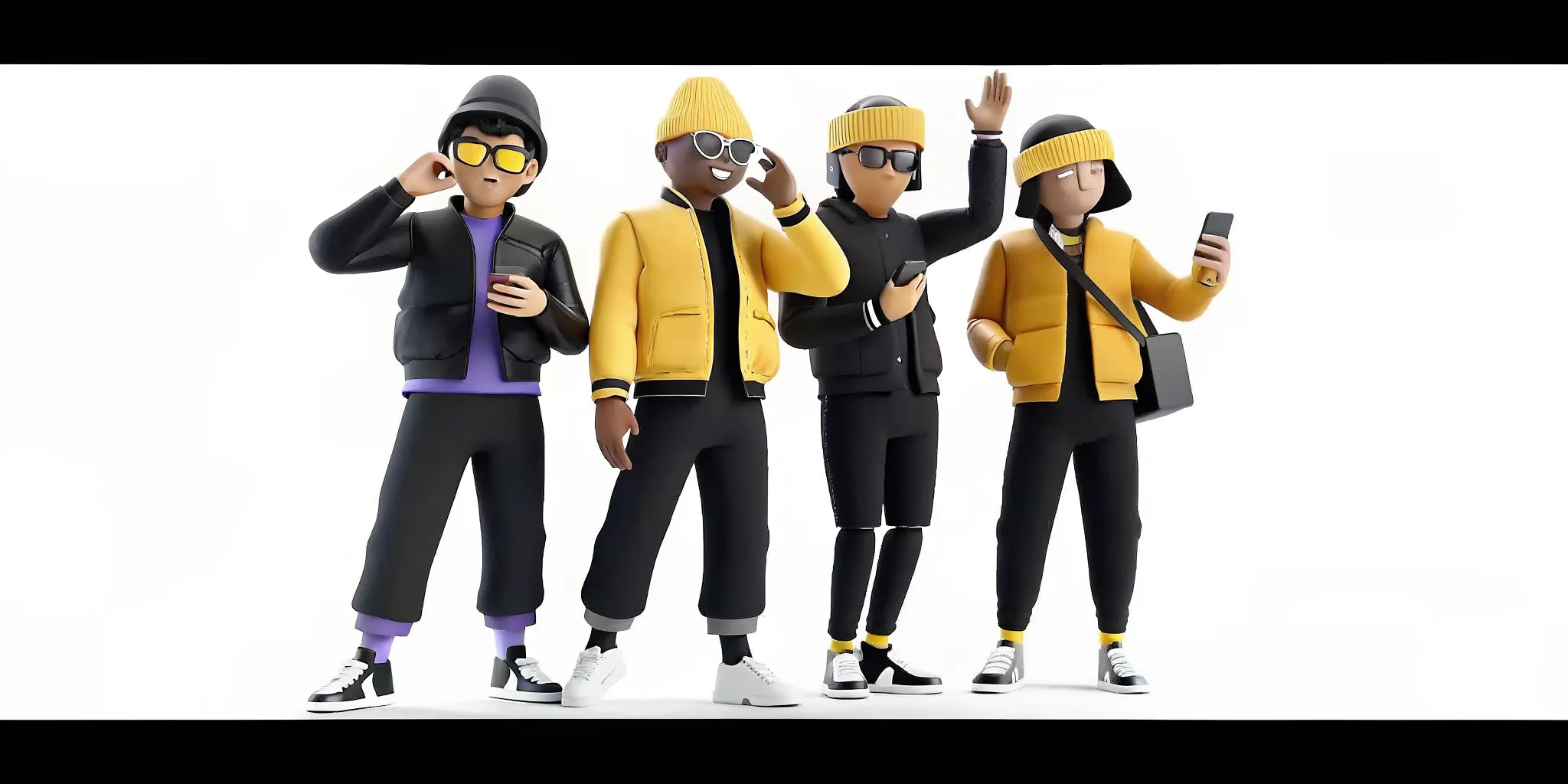
Making content with these avatars is much faster than old ways. You do not need to rent a studio or hire a large team. AI characters can be made in minutes for a small part of the cost of a normal video. This speed lets you test new ideas without a big risk.
Teams use these tools to share knowledge and give talks. They turn plain text into lively videos that grab the eye. This makes AI-powered digital expression a key tool for any office. People can watch a character explain the main points instead of reading a long file.
Build Trust Through Human Connection
People like to see a face when they learn or buy something. Text-only bots often feel cold and dull. Avatars with real movement and feeling build much more trust. When a character moves its eyes and hands, it feels more like a real talk.
This leads to immersive AI character interaction that keeps users around for longer. The power of these digital faces is clear in many fields. Research shows that digital embodiment can even help in mental health care. A character that shows feelings can build a deep bond with a customer.
Grow Your Brand Across the Globe
Scale is the biggest win for creators and brands. A real person can only be in one place at a time. An AI character can speak to the whole world at once. Top platforms now have lip-sync tools for 75 to over 160 languages.
These tools work for many jobs. You can use them for games, ads, or even as an AI agent. The range of these characters makes them a smart pick for any group. They give you the power to share your voice with everyone, no matter where they live.
The Practical Evaluation Checklist: Comparing Text-Only Chat and Embodied Characters
Choosing how people talk to AI is a big choice. You must decide if a text box is enough or if you need expressive AI avatars that look and act like real people. While text is fast, it lacks the voice, mannerisms, and personality that make a chat feel alive.
How to Judge Engagement
When you use a text box, the user has to do all the work in their head. But with a 3D character, the AI does the heavy lifting. Digital embodiments help people stay focused and feel more connected. Research in cybertherapy shows that how people view these tools changes based on how well the tech works.
Think about how your brand stays in a user's mind. A text bot can feel like any other app. An AI persona with a unique look and voice is much harder to forget. In fact, people often remember faces and gestures better than a string of words on a screen.
The Comparison Framework
This table helps you see the gaps between these two paths. It looks at how each style affects things like brand recall and emotional ties. High-quality AI-powered digital expression uses non-verbal cues to build trust that text alone cannot reach.
Feature | Text-Only Chat | Embodied Characters |
|---|---|---|
User Engagement. | Low; relies on reading speed. | High; uses visual and sound cues. |
Brand Recall. | Generic; hard to tell apart. | Strong; tied to a visual look. |
Emotional Bond. | Weak; feels like a tool. | Deep; feels like a living identity. |
Retention. | Steady; utility-based. | Rising; personality-driven. |
Non-verbal Cues. | None; uses text only. | Full; uses gestures and faces. |
Building for the Future
If you want to move past trading messages with a box, you need a plan for 3D growth. Characters that match their tone and behavior in real time are the new standard. This shift helps users fix long-standing issues in how they connect with digital tools. Evidence from Nature Medicine suggests that digital embodiments can lead to much better engagement in complex tasks.
To evaluate if an avatar is ready for your team, follow these three steps:
Assess movement responsiveness: Test the latency between script input and character movement to ensure real-time reaction.
Evaluate voice-to-expression sync: Verify that the character's facial muscles and mouth movements match the audio cadence perfectly.
Review personality consistency: Ensure the avatar's mannerisms, gestures, and tone match the brand identity across different sessions.
Test platform compatibility: Verify that the 3D avatar characters render smoothly across web, mobile, and game engine environments like Unity or Unreal Engine.
Analyze customization depth: Assess the range of physical features, 3D wearables, accessories, and personalization options available via the Avatar SDK.
Evaluate behavior mapping: Ensure the Smart Avatar SDK translates user intent and emotional tone into appropriate gestures and physical mannerisms.
You should pick a system that lets characters react with their full personality intact. This makes the chat feel like talking to someone real. Instead of a dry exchange, you get a dynamic way to chat that keeps users coming back for more.
The Future of Embodiment: Genies Chat and the Real-Time AI Persona Revolution
Most AI today lives in a text box. You type a prompt and wait for a reply. But the future of digital life is about more than text. It is about how we show up in virtual spaces. Genies is building the visual and embodiment layer for this new era. Instead of just reading words, you interact with fully animated IP characters. These personas match tone, expression, and behavior in real time.
Genies Chat and the shift to persona
Talking to an AI should not feel like using a search engine. It should feel like talking to someone who has a soul. Genies Chat makes this possible. The characters in the app react with unique voice, mannerisms, and personality. They do not just answer your questions. They show who they are through their movements and moods. This makes expressive AI avatars feel alive.
This tech is not just for fun. It has real value in places like health care and therapy. For example, research shows that digital embodiments can help people deal with mental health stress. A study in Nature Medicine found that using avatars helps patients engage better in therapy. When an AI has a face and a body, we connect with it in a deeper way. It moves from a tool to a presence.
Building the embodiment layer with SDKs
To bring these personas to life, developers need the right tools. The Genies Avatar SDK serves as the core layer for looks. It works with the Art Forge SDK for 3D wearables and the Smart Avatar SDK for behavior. These tools allow brands and creators to build characters that think and play. It is a full system for immersive AI character interaction across any app.
This tech supports many uses. It works for game NPCs, digital agents, and even enterprise tools. The goal is to make it easy to train an AI across its brain and its body. When a character matches its words with its gestures, the wall between the user and the AI fades away. This level of detail is what turns a simple bot into a true persona.
A world of AI personas
The vision for the future is big. Every brand, app, and game will one day have its own AI persona. Even individual humans will have them. These characters will not just be static icons. They will be game-ready identities that can travel across the web. Whether you are in a game or on a website, your AI persona will represent you with style and voice.
We are moving to a world where every screen is a gateway to a living identity. The tech to build these AI-powered digital expressions is already here. As more creators use these SDKs, the digital world will get much more colorful. It is a revolution in how we exist online, one persona at a time.
Frequently Asked Questions
Can I use my own photo to create an expressive AI avatar?
Yes. Most top tools let you upload a single photo to build a custom host. These tools scan your face to map out how you move and talk. This helps create an avatar that looks just like you in a few minutes. You can then use this avatar to make videos without ever being on a set. This saves time and money for users who need a constant stream of good content.
What languages do expressive AI avatars support?
Per Genies , leading tools now offer lip sync for 75 to 160 plus languages. This makes it easy to reach people all over the world with one video. The AI matches the mouth movements of the host to the sounds of each language. This removes the need for human actors or voice over work for every region. It is a fast way for brands to share their ideas with a global crowd without huge costs.
How are expressive AI avatars used in therapy?
Doctors use these tools to help people who hear voices. In this type of care, a patient talks to an avatar that looks and sounds like the voice they hear. This helps the patient learn to deal with the stress in a safe space. A study in Nature shows that these tools have a lot of promise to reduce distress for patients. It is a new way to make mental health care better.
Is it expensive to make an expressive AI avatar?
No. You can make an avatar in minutes for much less than a normal video shoot. A standard video set costs thousands of dollars and takes weeks to plan. With AI, you only need a script and a few clicks to get a finished clip. This low cost helps small brands compete with big firms. It lets anyone build an avatar that talks to fans without a big crew or a lot of gear.
Ready to build an AI persona that moves like you?
Waiting to jump into the world of moving AI will cost you. If you stick with old, flat images, you miss the chance to truly talk to your fans. Every day you wait, you lose ground to creators who are already using live voices and faces. A stiff digital self won't cut it when the rest of the web starts to move and react. You want to be the one who leads this change, not the one who struggles to catch up next year. By starting now, you set the bar for how your brand looks and acts in a new digital space. The time to act is today, while the tech is fresh and the lead is yours to take. Don't let your presence stay frozen while others bring their AI personas to life.
Ready to build? Contact Genies to build your custom AI persona.