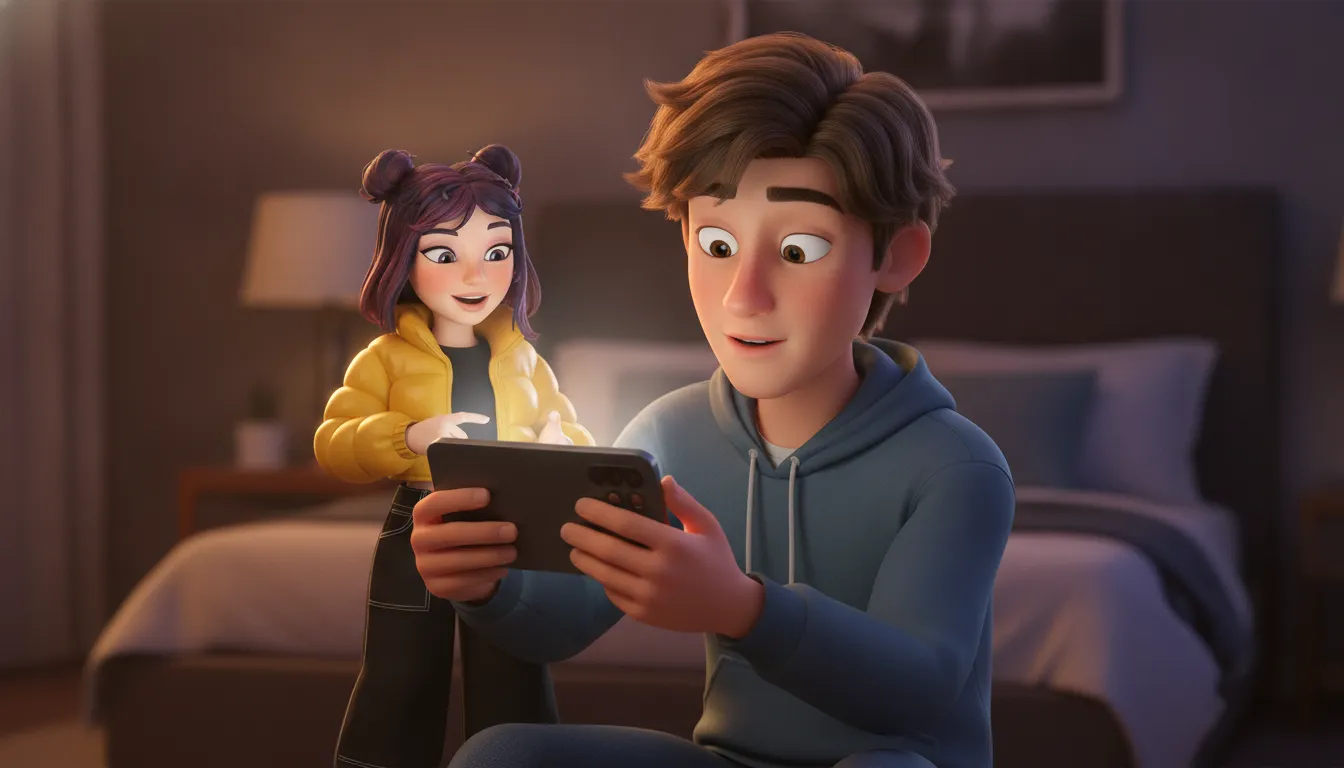
How an Avatar Chat App Gives Characters Life and Voice
Text can carry an idea, but an animated persona can give that idea a point of view. When a character remembers the conversation, answers in a distinct voice, and reacts with a look or gesture. Chatting starts to feel less like filling in a prompt and more like meeting someone with a style of their own.
An avatar chat app combines conversation with an animated character's personality, voice, and visual reactions. The strongest ones use language, memory, and behavioral animation together, so the avatar does more than display a picture while text appears on screen.
Talk to an animated AI persona in Genies Chat
That shift matters because expression adds context. A pause, raised brow, or change in tone can shape how a reply lands, while a designed persona gives the interaction a recognizable identity. To see why this format is becoming distinct from a standard chatbot, start with what an avatar chat app actually includes.
What Is an Avatar Chat App?
An avatar chat app is a conversation platform where the speaker is represented by a digital character instead of a blank text box or a static profile image. You can type or speak, and the avatar responds through dialogue, appearance, voice, movement, or facial expression. The result sits between messaging, character creation, and interactive entertainment.
That distinction matters because not every app with an avatar is an avatar chat app. A profile picture gives a conversation a visual identity, but it does not react. A ready-made 3D model may look polished, but it can still be only a costume for a standard chatbot. The avatar becomes part of the conversation when its behavior changes with the exchange and its presentation supports a recognizable point of view.
At the simplest level, think of two categories:
Static avatars: profile pictures, stickers, or ready-made models that represent a person or character without generating behavior of their own.
Animated AI personas: characters that respond with a distinct personality and can combine dialogue with voice, movement, and expression.
The second category depends on more than a visual skin. Advanced chat avatars combine a large language model for dialogue with a real-time animation engine for expression. The language model handles what the character says, while the animation system helps communicate how the character says it. A pause, smile, head movement, or change in expression can add context that plain text leaves out. Genies describes this combination as part of its Smart Avatar approach.
Personality also needs continuity. Genies Smart Avatars combine LLM-driven personality, memory, and behavioral AI. Allowing a character to maintain context across longer interactions rather than sounding like a different person in every message. That can make a character feel more consistent and easier to recognize over time. It does not mean the avatar has human feelings. It means the system is designed to respond in ways that fit its defined traits and the conversation so far.
Genies Chat illustrates the culture behind this format by introducing conversations with AI personas based on notable IP personalities. The appeal is not simply watching a character move. It is talking with a character whose identity, voice, and reactions are part of the conversation. For a global audience raised on social video, games, and digital self-expression, that combination feels more natural than a text-only interface.
In short, an avatar chat app turns a chatbot into a visible character. The strongest versions connect appearance, personality, memory, and behavior so the avatar feels coherent from one exchange to the next.
How AI Personas Give Characters Real Personality
A convincing character needs more than a face and a set of scripted replies. Personality comes from the way an AI interprets a message, chooses a response, recalls context, and reacts in a way that feels true to its identity. In an animated avatar, those decisions also shape voice, timing, expression, and movement.
The conversational layer starts with a large language model (LLM). It handles the meaning of a user's message and generates dialogue that fits the persona's tone, interests, and boundaries. But an LLM alone does not create a consistent character. The surrounding system needs to guide what the persona knows, how it behaves, and which details should carry forward.
Personality is more than a prompt
Genies Smart Avatars bring together LLM-driven personality, memory, and behavioral AI. That combination gives a character a defined point of view while helping it respond consistently across different moments. Behavioral AI determines how the persona reacts to inputs, rather than treating every message as an isolated request. A playful character might tease, pause, or show surprise. A more measured character might answer directly and keep its reactions restrained.
This is the difference between a character that merely says something and one that seems to have a recognizable presence. The dialogue, reaction, and animation all need to support the same identity. Genies describes Smart Avatars as visually expressive, emotionally intelligent, and game-ready, connecting the conversational personality to an animated character that can do more than display a static image. Read more about the technology behind genies smart avatars.
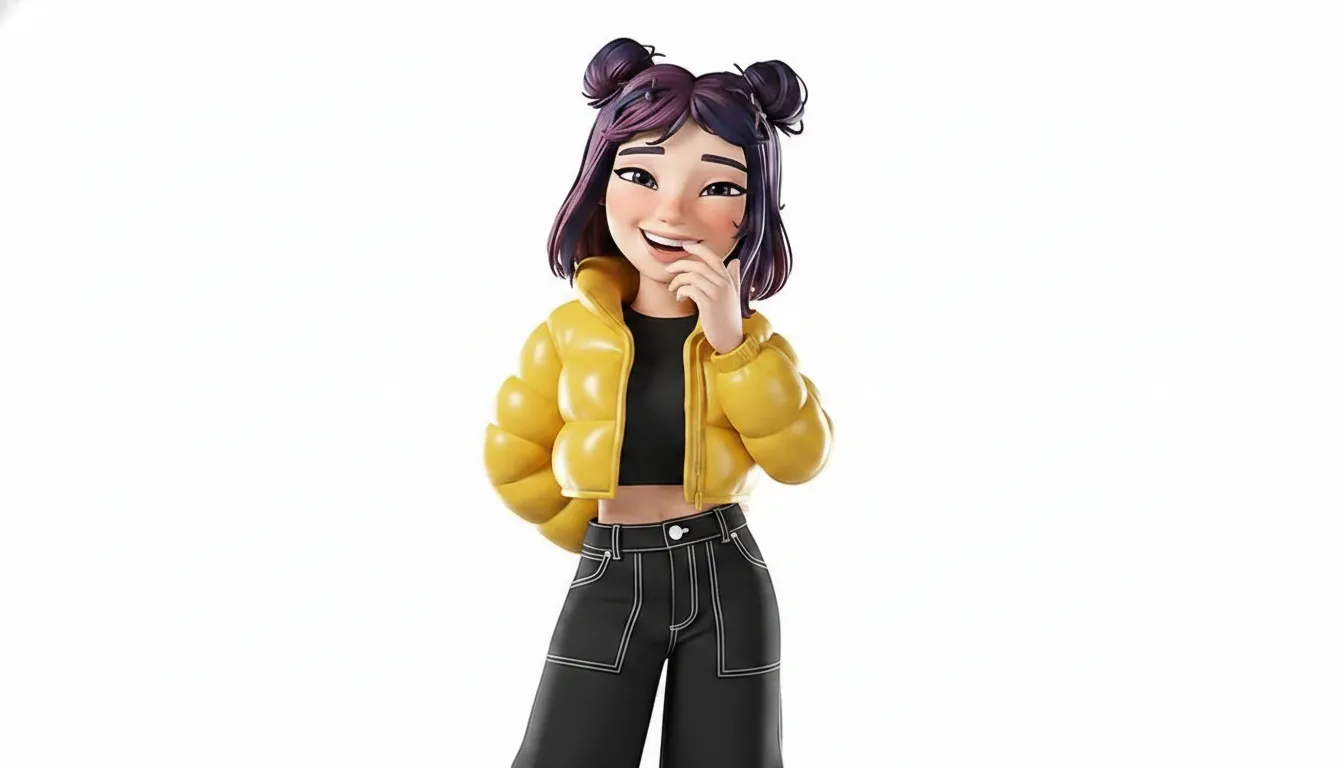
Memory makes conversations feel continuous
Memory gives an AI persona a longer view of the relationship. Instead of forgetting everything when a session ends, a memory system can retain relevant details from earlier conversations. Such as a user's interests, a recurring topic, or an established preference. On a later visit, the character can refer back to that context and avoid acting like it is meeting the same person for the first time.
That continuity matters because consistency builds familiarity. A persona that remembers a user's favorite subject, follows up on an earlier idea, or keeps its established attitude feels more reliable and relatable over time. The memory system still needs clear limits and thoughtful handling, especially around privacy and sensitive information. The goal is not to remember everything. It is to preserve the details that make the interaction coherent.
Genies Chat shows how this model can work in practice, pairing animated AI personas with recognizable personalities. When language, memory, and behavior reinforce one another. An avatar chat app becomes less like a text box with a character skin and more like an ongoing conversation with a character that knows how to be itself.
Voice and Facial Expression: The Difference in an Avatar Chat App
Text can tell you what a character means. Voice and facial expression show you how that character means it. That distinction changes the feel of a conversation. A typed reply arrives as information on a screen. A spoken reply can carry timing, emphasis, warmth, or a little attitude. Add a raised eyebrow, a pause, or a quick smile, and the interaction has another layer of meaning.
That extra layer matters because conversation is not only language. People read tone and non-verbal signals while deciding whether a response feels attentive, playful, serious, or dismissive. In an avatar chat app, the avatar becomes the visible partner in the exchange, rather than a text bubble representing an unseen system. The interaction feels more immediate when voice and expression support the words.
Voice gives personality a point of view
A distinctive voice makes a character recognizable before the reply is finished. It can turn a generic sentence into a line that belongs to someone. Pace, pitch, pauses, and emphasis help communicate whether the avatar is teasing, thinking, encouraging, or changing direction. This does not require the voice to sound human. It needs to sound consistent with the character's personality.
That consistency gives users a clearer sense of continuity. An avatar with a stable way of speaking feels less like a rotating answer engine and more like a character with a point of view. Language models generate the dialogue, but the voice gives it recognizable delivery.
Expressions make the response easier to read
Real-time facial expression adds non-verbal feedback to the same exchange. A character can look surprised at an unexpected answer, soften its expression during a vulnerable moment, or react with a grin when the conversation turns playful. These signals do not replace clear language. They reinforce it.
Timing and pause show whether the character is thinking, teasing, or weighing a reply.
Facial reaction adds a second channel for surprise, warmth, or skepticism.
Voice pace and tone give the words a recognizable delivery.
For that reason, expression quality is more than visual decoration. It is part of the communication loop. When the animation matches the conversational intent, users have another cue for interpreting the response. When it lags, repeats, or contradicts the voice, the illusion breaks quickly. Strong avatar design makes the face responsive without making every line look exaggerated.
Research published in the National Library of Medicine notes that human-chatbot interactions can share features of close relationships, including frequent and varied conversation over time: https://pmc.ncbi.nlm.nih.gov/articles/PMC12575814/. A face cannot create trust on its own, and an expressive avatar should never pretend to have human feelings. Still, visual presence gives users more information to interpret and can make responsiveness feel more authentic. For a deeper look at how visual faces build trust in AI, the face itself is the starting point, not the whole argument.
Building Your Own Avatar: Personality, Look, and Traits
The best customization tools do more than let you pick a hairstyle or change a color palette. They give you a way to shape how an avatar presents itself and how it responds. In an ai chatbot avatar, appearance and conversation work together. A bold, playful design can feel mismatched if the personality is cautious and formal. The details should reinforce each other.
Start with the visual identity. Choose the features that make the character recognizable at a glance, then decide what those choices communicate. A relaxed expression, bright colors, or an unusual silhouette can signal confidence, humor, curiosity, or calm before the first message appears. The goal is not to make an avatar look realistic. It is to make the character feel intentional.

Give the character a point of view
Personality traits make the design useful in conversation. Rather than selecting a generic mood, define a few qualities that can guide the avatar consistently. You might want a character that is witty but not sarcastic, curious without being intrusive, or encouraging while still willing to challenge an idea. Specificity creates a stronger sense of identity than a long list of vague adjectives.
Choose two or three core traits that should shape every interaction.
Add boundaries, such as topics the character avoids or a tone it should not use.
Give the avatar interests, recurring phrases, or habits that make it recognizable.
Let look, personality, and memory connect
In a more advanced avatar chat app, the character is not only a visual shell around a language model. Personality guides the response, behavioral AI helps maintain consistent reactions, and memory can preserve useful context from earlier conversations. Genies describes its Smart Avatars as combining LLM-driven personality, memory, and behavioral AI, so the character can retain a coherent identity over time. That connection matters because a carefully designed look feels more meaningful when the conversation reflects the same character.
Memory should support continuity, not imitate a human relationship or make claims about genuine emotion. It can help an avatar remember preferences, recurring creative projects, or the way a user likes to communicate. When those details are handled clearly, personalization becomes a practical design choice rather than a novelty. You are not just choosing how the avatar looks. You are setting the cues, traits, and context that shape the exchange.
That is also why customization deserves a thoughtful first pass. Build a character you can recognize visually, describe in a few precise traits, and refine after seeing how it behaves in real conversations.
Avatar Chat Apps vs Plain AI Chatbots
A plain chatbot keeps the conversation in text. That can be fast, practical, and easy to scan. An avatar chat app adds another layer: a visible character with a distinct personality, voice, and reactions. The difference is less about whether the system can generate an answer and more about how that answer lands.
Both formats can use a large language model to interpret prompts and produce dialogue. An animated system pairs that conversational layer with a real-time animation engine, allowing the character to respond through movement and expression as well as words. That combination changes the interaction from reading a reply to watching a character participate.
Plain text AI chatbots compared with animated avatar chat apps | ||
Dimension | Plain text AI chatbot | Animated avatar chat app |
|---|---|---|
Personality | Usually communicated through word choice, tone, and conversation rules. | Communicated through dialogue plus a recognizable character identity and behavior. |
Voice | Often silent, with the user reading each response. | Can speak responses aloud, giving pacing and vocal tone a role in the exchange. |
Expression | Limited to punctuation, formatting, or descriptive language. | Uses real-time facial expression and animation to add non-verbal feedback. |
Memory | Depends on the product's conversation history and memory features. | Can combine conversation memory with behavioral AI to maintain a more consistent character. |
Emotional feel | Efficient and focused, with the user inferring intent from text. | More socially textured because voice, timing, and visual reactions reinforce the words. |
That extra channel can make a reply feel more authentic, but it does not make the AI human. The character is performing an expressive response generated by software. Still, people do not experience communication through language alone. Research on AI relationships suggests that anthropomorphism helps explain why some users form a sense of social connection with digital characters (PubMed). A face, voice, and consistent style give the mind more cues to interpret.
The practical choice depends on the moment. Use plain text when speed, privacy, or quiet reading matters most. Choose an avatar chat app when character, presence, and playful self-expression are part of the point. The strongest products respect both needs: they deliver useful conversation while making expression feel intentional rather than decorative.
What to Look For in an Avatar Chat App
Not every animated character delivers a convincing conversation. A strong app is more than a talking face placed over a text generator. It should make the avatar feel responsive, consistent, and comfortable to spend time with, while giving you clear control over what kind of interaction you want.
Use these signals when comparing options:
Expressive real-time animation. Watch what happens between the words. Does the avatar react with natural facial movement, eye contact, gestures, and timing, or does it simply switch between a few preset poses? The visual layer should support the conversation instead of distracting from it. Technically, that requires more than a language model. Advanced avatar systems combine large language models with real-time animation engines so a response can produce expression as well as dialogue. How visual faces build trust in AI explains why those non-verbal cues matter.
A personality that stays coherent and remembers context. A good persona should not feel reset every time you open the app. Look for a recognizable point of view, consistent behavior, and memory that helps the conversation build over time. Genies describes Smart Avatars as combining LLM-driven personality, memory, and behavioral AI. A useful model for evaluating whether an avatar can respond as a character rather than as a collection of disconnected answers. You can read more about Genies Smart Avatars for the technical idea behind this approach.
Voice that feels made for the character. Voice quality is not just a question of whether every word is audible. Listen for natural pacing, pauses, emphasis, and a tone that fits the persona. A voice that sounds flat or arrives noticeably after the text breaks immersion. The best systems coordinate voice, language, and animation so the character feels present rather than assembled from separate features.
Safety and content controls you can understand. Personality should not come at the cost of guardrails. Reputable avatar chat platforms use safety guidelines and content filtering to help keep interactions positive and secure. Before choosing an app, review its age guidance, reporting tools, privacy explanations, and settings for managing sensitive content. Clear controls are a quality signal too: they show that the platform has considered the real people using it, not only the demo moment.
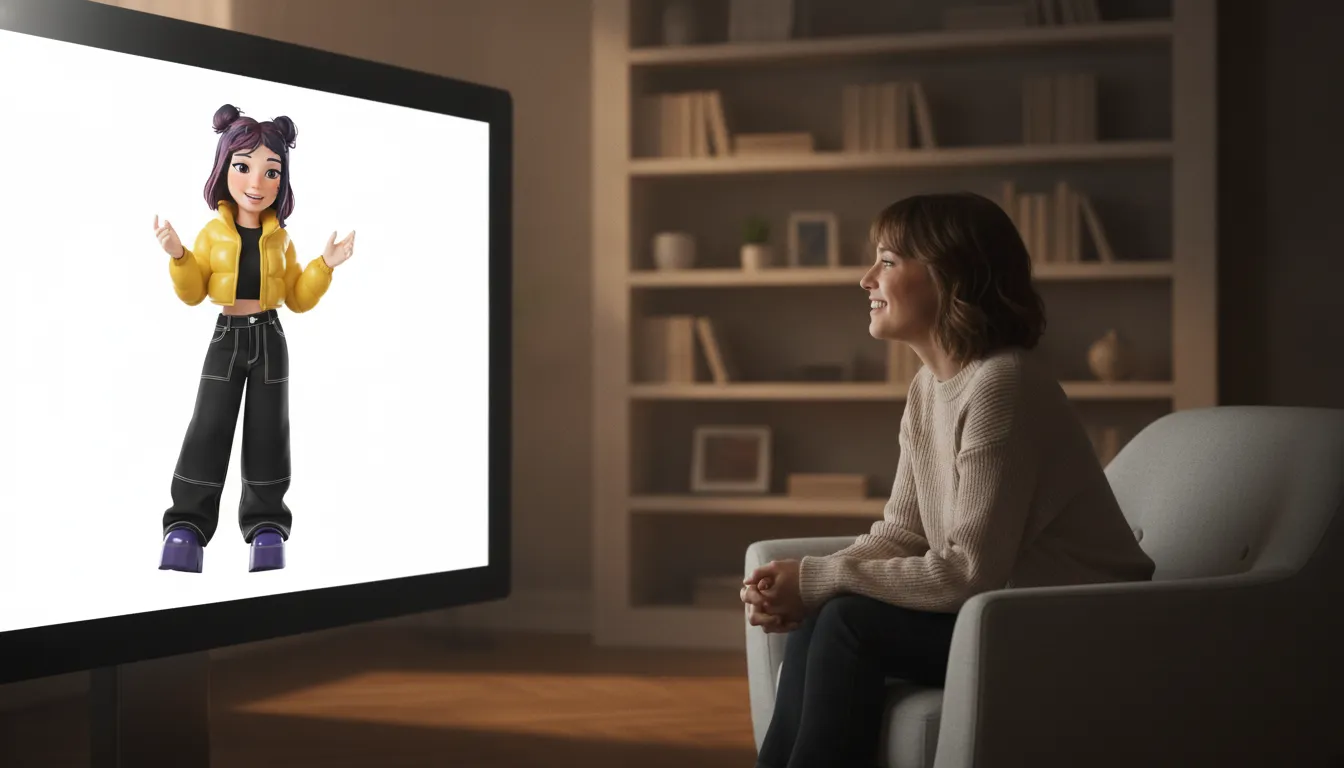
The strongest test is simple: spend a few minutes with the same persona across different topics. Notice whether its expressions match its tone, its voice supports the mood, and its personality holds together. Those details separate an avatar chat app that feels alive from one that only looks animated.
Talk to an animated AI persona in Genies Chat
Frequently Asked Questions
What is an AI avatar chat app?
It is an app where you talk with a digital persona that can respond through conversation, appearance, voice, and animation. Unlike a static profile image, the avatar can react to what you say and make the interaction feel more present.
How do AI personas improve chat experiences?
Personality gives the conversation a consistent point of view, while voice and facial expression add non-verbal context. A smile, pause, or change in tone can reinforce the meaning of a reply. Research suggests that chatbots can feel supportive when they respond in ways people perceive as attentive and relevant (National Library of Medicine).
Can I create my own avatar for chat?
Many platforms let you customize an avatar's appearance and personality traits. The useful distinction is whether those choices affect only the look, or also shape how the persona speaks, reacts, and remembers context over time.
What technology powers expressive chat avatars?
The conversational layer typically uses a large language model, while an animation system translates the response into movement, timing, and expression. Memory and behavioral AI can help the persona maintain a more coherent personality across ongoing conversations.
Are avatar chat apps safe for daily use?
Review the platform's age guidance, privacy controls, moderation practices, and options for managing data before using it regularly. Reputable services should explain their safety rules and use content filtering, but users should still avoid sharing sensitive personal information.
Try an Animated AI Persona for Yourself
The fastest way to see what an avatar chat app can do is to talk to one. A character that listens, remembers, and reacts with expression changes a conversation the way a face changes a voice call.
Talk to an animated AI persona in Genies Chat
Genies Chat brings animated AI personas with real personality, voice, and expression into one place. Start a conversation and let the character set the tone.