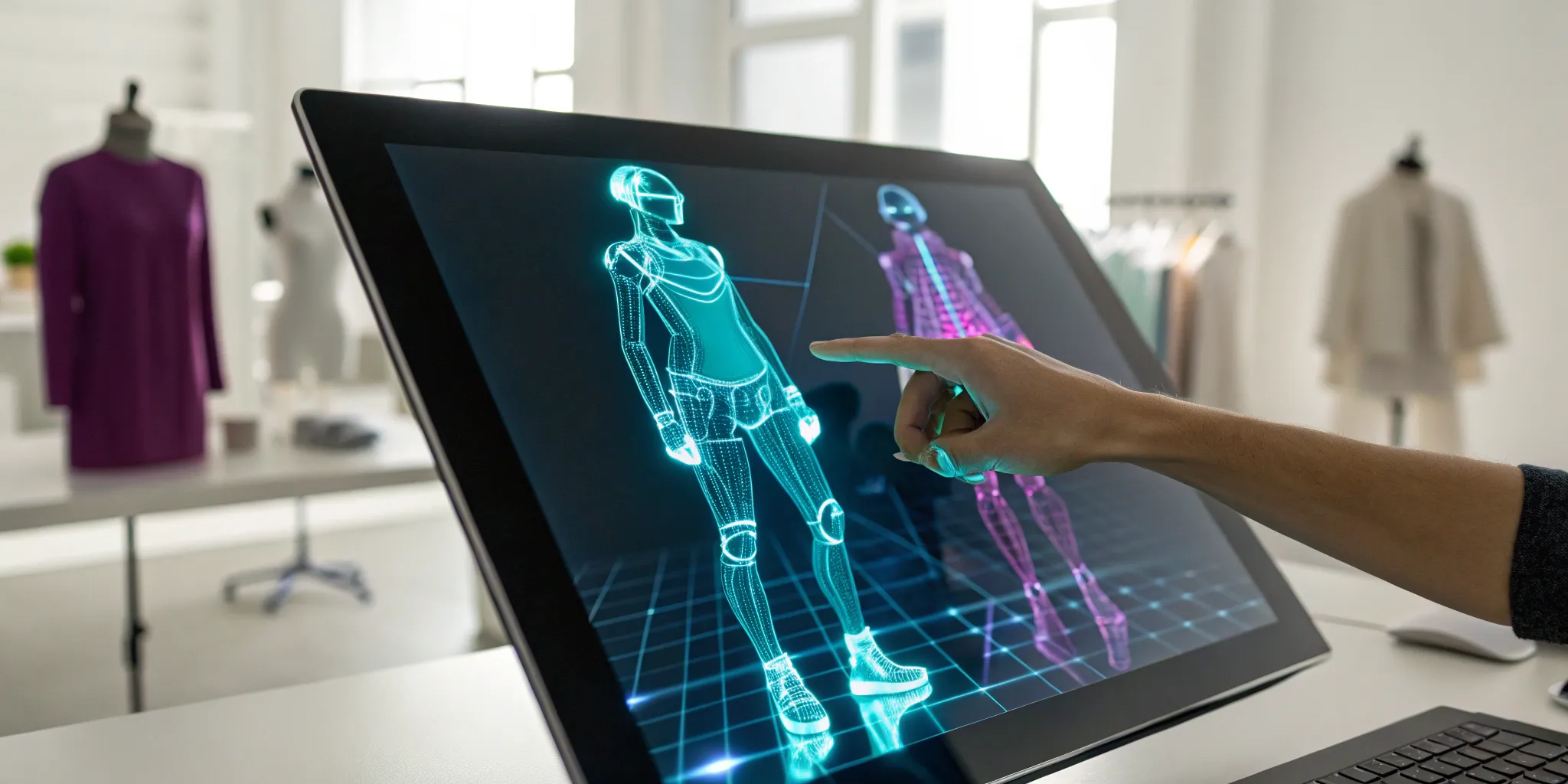
How to Create Digital Fashion: A Beginner's Guide
2025/12/06
Our digital lives are no longer separate from our real ones; they are deeply intertwined. As we spend more time in virtual spaces, the need for authentic self-expression grows, and fashion is at the heart of that identity. This isn't just about dressing up a game character; it's about building a persistent digital wardrobe that can travel with you across platforms. Learning to create digital fashion is becoming a fundamental skill for the next wave of creators, artists, and storytellers. This guide will provide you with the foundational knowledge and practical steps to start building for this exciting future, empowering you to design for a world without boundaries.
Key Takeaways
Design Without Limits and Waste: Creating fashion digitally is a more sustainable and efficient approach. It cuts down on production costs and material waste while giving you the freedom to experiment with impossible materials and designs that couldn't exist in the physical world.
Choose Software That Fits Your Goals: You don't need the most expensive software to start. Prioritize tools with an intuitive interface and strong community support, and use free trials to find a program that matches your current skill level and future ambitions.
Master the Basics, Then Expand Your Skills: Start by learning the fundamentals of 2D pattern-making and 3D modeling to build a strong foundation. Once you're comfortable, you can explore advanced techniques like animation and focus on creating interoperable designs that can be used across multiple virtual platforms.
What is Digital Fashion?
Think about the outfits you choose every day. They say something about who you are, your mood, and how you want to show up in the world. Now, imagine doing the same for your digital self—your avatar, your gaming character, your online persona. That’s the essence of digital fashion. It’s clothing and accessories created entirely in a digital format, designed to be worn in virtual spaces.
But it’s more than just pixels on a screen. Digital fashion is a rapidly growing industry that’s changing how we create, consume, and connect with style. It’s a space where gravity doesn’t apply, materials can be made of light, and your imagination is the only limit. For creators, it’s a new frontier for self-expression, and for brands, it’s a way to design more sustainably and connect with audiences in new, immersive worlds. At its core, digital fashion gives us another powerful way to tell our stories and define our identities online.
Defining Virtual Clothing and Accessories
So, what exactly counts as digital fashion? It’s any wearable item designed for a virtual body. This includes everything from a pair of hyper-realistic sneakers for your avatar to a flowing gown made of liquid starlight that could never exist in the physical world. These creations are built using 3D design software, allowing for incredible detail, texture, and movement.
For designers, this opens up a world of possibilities. The process of digital garment prototyping streamlines the entire workflow, letting you test ideas without ever touching a piece of fabric. This shift not only speeds up production but also dramatically reduces material waste, making it a more sustainable alternative to traditional fashion. It’s a way to bring your wildest ideas to life, unconstrained by the limitations of physical materials.
Understanding the Digital Fashion Ecosystem
Digital fashion doesn’t exist in a vacuum. It’s part of a vibrant ecosystem that includes designers, developers, platforms, and of course, the people who wear and interact with these creations. This world is powered by technology that is constantly evolving. Tools for 3D modeling, texturing, and animation are becoming more accessible, allowing anyone with a creative spark to start designing.
The role of 3D rendering is central to this process, helping designers visualize and perfect their creations with stunning realism. As this ecosystem grows, the focus is shifting toward interoperability—the idea that a digital jacket you create should be wearable across different games, social platforms, and virtual worlds. This is where platforms like Genies come in, providing the tools and framework to ensure your creations have limitless utility and can travel with you wherever you go online.
Why Design Fashion Digitally?
Switching from a physical sketchbook to a digital canvas might feel like a big leap, but the reasons to do it are incredibly compelling. Designing fashion digitally isn't just about swapping fabric for pixels; it's about completely rethinking the creative process. For independent creators, it tears down old barriers like high production costs and the need for a physical studio, opening up a world of opportunity. For established brands, it offers a faster, smarter, and more responsible way to bring ideas to life.
Digital fashion gives you the power to create without limits, test ideas in an instant, and build entire collections with a fraction of the resources. It’s a more sustainable and efficient way to work, allowing you to focus on what truly matters: your creative vision. Whether you're designing for an AI companion, a virtual world, or your own digital avatar, this approach puts you in complete control. Let’s look at the key benefits that make digital design a game-changer.
Design Sustainably and Reduce Waste
The traditional fashion industry has a significant environmental footprint, from water usage to textile waste. Digital fashion offers a much-needed sustainable alternative. By creating garments in a virtual space, you sidestep the most wasteful parts of the process. As the experts at Style3D note, "Digital fashion drastically reduces waste by eliminating physical samples, enabling virtual garment trials, and lowering carbon emissions from shipping and production." Instead of creating and shipping multiple physical prototypes, you can perfect your design on-screen, making it a more responsible way to design sustainably. This approach isn't just better for the planet—it's a smarter way to create.
Save Time and Money on Production
Think about the time and cost that go into a single physical garment sample: materials, pattern cutting, sewing, fitting, and shipping. This process can take weeks and quickly becomes expensive. Digital garment prototyping changes all of that. You can create a realistic 3D version of your design in a matter of hours, not weeks. This streamlined workflow can lead to massive efficiency gains, with some studies reporting "70-99% time savings across pattern development, design iteration, and sampling phases." By cutting out the need for physical materials and multiple rounds of prototyping, you save significant money and get your ideas finalized much faster.
Enjoy Unlimited Creative Freedom
What if you could design with materials that glow, change shape, or defy gravity? In the digital realm, you can. You’re no longer bound by the limitations of physical textiles or production techniques. This is where your imagination can truly run wild. Digital tools give you the freedom to experiment with impossible silhouettes and futuristic textures that would be impractical or too expensive to produce in the real world. Plus, you can work from anywhere. As the team at Resleeve points out, "Designers can work from anywhere, breaking free from the constraints of a physical workspace." This flexibility allows you to create whenever and wherever inspiration strikes.
Iterate on Your Designs Instantly
In traditional design, making a small change—like adjusting a seam or testing a new color—means creating a whole new sample. This slow feedback loop can stifle creativity. With digital fashion, you can iterate in real-time. Want to see how that dress looks in a different fabric or with a shorter hemline? You can make those changes with a few clicks and see the results immediately. This rapid iteration process means you can refine your ideas with incredible speed. Replacing physical prototypes with digital samples "moves a brand from initial idea to production-ready design in a few days," not months. This allows you to perfect every detail and bring your vision to life exactly as you imagined it.
Your Toolkit: The Best Digital Fashion Software
Ready to start designing? The first step is picking your tools. Think of your software as your digital sewing machine, fabric, and mannequin all rolled into one. The world of digital fashion software is vast, with options ranging from free, open-source programs perfect for learning the ropes to the professional-grade software used by top fashion houses.
There’s no single "best" tool—it’s all about finding the right fit for your creative goals, current skill level, and budget. Some programs excel at creating realistic garment simulations, while others are built for seamless integration into games or virtual worlds. Below is a breakdown of some of the most popular and powerful options available to help you find the software that will bring your ideas to life.
Genies Avatar Framework
Imagine a toolkit designed not just for creating fashion, but for bringing it to life on AI companions within a connected ecosystem. The Genies Avatar Framework is built to empower creators to do exactly that. Instead of just designing a static garment, you’re creating interoperable fashion, props, and experiences with limitless utility. This approach ensures your creations can be used and enjoyed in a dynamic and evolving digital world. To be among the first to explore these new creative possibilities, you can apply for the beta and help shape the future of digital identity and expression.
CLO 3D
If you want to create digital clothing that looks and behaves just like the real thing, CLO 3D is an industry favorite. This powerful 3D fashion design software lets you take a 2D pattern—just like one a real-world tailor would use—and stitch it together into a finished 3D garment. Its main strength is its incredibly realistic fabric simulation, which allows you to see exactly how different materials will drape, fold, and move on an avatar. It’s the perfect tool for anyone serious about virtual prototyping or creating hyper-realistic digital fashion collections that mirror the principles of physical garment construction.
Marvelous Designer
For creators focused on animation, gaming, or digital art, Marvelous Designer is a game-changer. Its strength lies in creating beautiful, flowing 3D garments with incredibly realistic cloth simulation that can interact with moving characters and environments. While it shares some technology with its sibling software, CLO 3D, Marvelous Designer is specifically tailored for artists in the entertainment industry. If your goal is to dress a character for an animated film or a video game, this tool gives you the power to create dynamic clothing that adds a new layer of realism and energy to your projects.
Blender
Looking for a powerful tool that won't cost you a dime? Meet Blender. It’s a completely free and open-source 3D creation suite that can do almost anything, including modeling, sculpting, and rendering digital fashion. While it has a reputation for a steeper learning curve, its versatility is unmatched for the price. You can create everything from a simple t-shirt to an elaborate gown. Plus, it integrates well with other fashion software, making it a valuable skill for any digital creator. The massive community and abundance of free tutorials make it an incredibly accessible starting point for anyone on a budget.
Adobe Creative Suite
While it’s not a 3D modeling program, the Adobe Creative Suite is an essential part of nearly every digital fashion workflow. Tools like Adobe Illustrator and Photoshop are where you'll design the prints, patterns, and textures that make your garments unique. Think of it as your digital textile factory. Whether you're creating a custom floral fabric pattern, designing a logo for a hoodie, or crafting intricate embroidery details, you'll likely start in an Adobe application before applying those assets to your 3D model. It’s the key to controlling the fine visual details of your creations.
LOOK Fashion AI
If you're curious about how artificial intelligence can speed up your design process, LOOK Fashion AI is worth exploring. This tool uses AI to help with ideation and visualization, allowing you to generate new concepts and styles with just a few clicks. It’s a fantastic way to break through a creative block or quickly explore dozens of variations on a design without starting from scratch every time. With a flexible subscription model that includes a free plan, it’s easy to try out and see how AI can fit into your creative workflow.
Comparing Digital Fashion Tools: Features and Price
Choosing your first digital fashion tool can feel a bit like shopping for your first car—the options are endless, and the price tags vary wildly. The good news is that there’s a perfect fit for every skill level and budget. The key is to understand what you’re paying for and how a tool’s features align with your creative goals. Some software is designed to get you creating in minutes, while other professional-grade suites offer the kind of granular control needed for high-fashion virtual runways.
The cost of these tools is just as diverse as their features. You can find powerful, free, open-source programs, while industry-standard software can require a significant investment. Don’t let the numbers intimidate you. Many companies use flexible pricing models, offer free trials, or provide special discounts that make their tools more accessible. Thinking about your needs upfront will help you find software that not only fits your budget but also grows with you as your skills develop. Let’s break down the main factors you’ll want to consider.
Beginner vs. Pro-Level Software
When you’re just starting, your main goal is to bring your ideas to life without getting stuck on technical hurdles. That’s where beginner-friendly software shines. These tools often feature intuitive, drag-and-drop interfaces and a library of pre-made templates to help you get started quickly. Many free options like Seamly2D and Valentina offer robust features without the financial commitment, making them perfect for exploring your creativity. The trade-off is that they might have fewer advanced capabilities.
Pro-level software, on the other hand, is built for precision and power. These programs offer complex physics simulations, photorealistic rendering, and seamless integration with other design pipelines. They give you complete control over every stitch and fold, but they also come with a steeper learning curve. Think of it as the difference between a point-and-shoot camera and a DSLR—both take great pictures, but one offers far more creative control for those willing to learn it.
Subscription vs. One-Time Purchase
Digital fashion software is typically sold in one of two ways: a recurring subscription or a one-time perpetual license. Subscription models, which are becoming the industry standard, require a monthly or annual fee. This approach keeps your upfront cost low and ensures you always have the latest features and security updates. For example, some AI-powered tools use a tiered subscription model that lets you scale up as your needs grow.
A one-time purchase involves paying a larger sum upfront for a license to use the software indefinitely. While the initial investment is higher, it can be more cost-effective over several years. However, you might have to pay extra for major version upgrades down the line. Your choice really depends on your budget and workflow. If you prefer predictable monthly expenses and always want the newest tools, a subscription is a great fit. If you’d rather own your software outright, a perpetual license might be the way to go.
Finding Free Trials and Student Discounts
Before you commit to any software, always look for a free trial. There’s no better way to know if a tool is right for you than to use it for a real project. A trial lets you test the interface, see how it performs on your computer, and decide if the workflow feels natural to you. Many companies offer trials ranging from seven to 30 days, which is plenty of time to get a feel for the basics.
If you’re a student or educator, you’re in luck—many developers offer substantial academic discounts. It’s always worth checking a company’s website for an education-specific pricing page. Another great way to experiment without cost is to join a beta program. For instance, you can apply for beta access to the Genies creator tools to start building your own digital fashion and experiences. This gives you early access to new technology and a chance to help shape its development.
What Influences the Final Cost?
The price you see on the website isn’t always the final cost. Several other factors can influence the total investment required to get your digital fashion studio up and running. First, consider the hardware. Professional 3D software can be demanding, so you might need a powerful computer with a dedicated graphics card to run it smoothly.
Next, look at what’s included in the price. Are essential features, like advanced rendering or animation tools, sold as separate add-ons? Does the software come with a library of fabrics and materials, or will you need to purchase them? Finally, think about long-term value and support. Check if responsive customer support and training resources are included, as these can be invaluable when you’re learning. Factoring in these hidden costs will give you a much clearer picture of the overall investment.
A Beginner's Checklist for Choosing Software
Jumping into digital fashion is exciting, but the sheer number of software options can feel overwhelming. How do you pick the right one? The key is to find a tool that matches your current skill level and future ambitions. You don't want to invest time and money into a program that's too complex to learn or too simple to grow with. Think of it like choosing your first sewing machine—you want something reliable and straightforward that still has the features you'll need as you get better.
Your ideal software should make the creative process feel intuitive, not like a technical exam. Before you commit, consider what you truly need. Are you looking for a simple way to sketch out ideas, or do you want to build photorealistic 3D garments from scratch? Answering that question will help you narrow down the field. This checklist will walk you through the four most important factors to consider, helping you find the perfect digital toolkit for your design journey.
Look for an Easy-to-Learn Interface
When you're just starting, the last thing you need is software that fights you every step of the way. A steep learning curve can be incredibly discouraging. Prioritize programs with an intuitive interface and simple navigation. The best tools for beginners often feature clean layouts and drag-and-drop functionality, which lets you get straight to creating without getting lost in complicated menus. Look for software that offers a guided onboarding process or helpful tooltips that explain what each button does. Your focus should be on bringing your designs to life, not on deciphering a user manual.
Prioritize 3D and Pattern-Making Tools
If you're serious about creating believable digital clothing, you'll need software with robust 3D and pattern-making capabilities. These are the features that allow you to move beyond flat sketches and build garments that have realistic shape, drape, and texture. Digital pattern-making tools let you construct clothing just like a real-world tailor, ensuring a great fit on your avatar. Meanwhile, 3D modeling tools are what allow you to see your creation from every angle, apply different fabrics, and simulate how the garment will move. These features are the foundation of high-quality digital fashion.
Check for Templates and Collaboration Options
You don't always have to start from a blank canvas. Many design programs offer pre-made templates, such as basic garment blocks or avatar models, which can give you a huge head start. These assets are perfect for practicing your skills or quickly mocking up a new idea. As you grow, you might also want to work with other creators. Look for software that includes collaboration features, like cloud storage for sharing files or the ability for multiple users to comment on a project. These tools make it easier to get feedback and work as part of a creative team.
Find Strong Community and Tutorial Support
No matter which software you choose, you're going to have questions. That's why a strong support system is non-negotiable. Before you commit to a program, check out its community resources. Is there an active user forum, a Discord server, or a subreddit where you can ask for help? Also, look for a healthy library of tutorials on platforms like YouTube. A vibrant community and plenty of learning materials are invaluable for troubleshooting problems, discovering new techniques, and finding inspiration from fellow designers. This support network will help you overcome hurdles and keep your skills sharp.
Create Your First Digital Garment: A Step-by-Step Guide
Ready to bring your first digital design to life? It’s easier than you might think. The key is to break the process down into simple, manageable stages. Whether you're designing a custom hoodie for your avatar or a full virtual collection, these four steps will guide you from a blank canvas to a finished piece. Think of it as a creative project where you can experiment freely without any real-world constraints. Let's walk through the process together.
Step 1: Set Up Your Workspace and Hardware
First things first, you need a place to create. The great thing about digital fashion is that your workspace can be anywhere you have your computer. One of the biggest perks of online design software is its accessibility, freeing you from the need for a physical studio. You’ll need a computer that can handle 3D rendering—most modern laptops or desktops with a dedicated graphics card will do the trick. While not essential, a drawing tablet can also be a huge help for sketching and making precise adjustments. Once your hardware is ready, install your chosen software and spend some time getting familiar with the layout.
Step 2: Learn the 3D Design Basics
Now for the fun part: designing. Start by learning the fundamentals of your software. Most digital fashion tools, like CLO 3D or Marvelous Designer, are based on traditional pattern-making. You’ll create 2D patterns, just like a real-world tailor, and then "sew" them together around a 3D avatar. Focus on mastering basic skills like drawing pattern pieces, stitching seams, and adjusting the fit. Using digital garment prototyping streamlines this entire process, letting you see your ideas take shape instantly. Don’t be afraid to start with simple templates to understand how different garments are constructed.
Step 3: Add Textures, Materials, and Physics
A flat, gray garment isn't very exciting, so this is where you add personality. This step involves applying textures, colors, and material properties to your 3D model. You can make your design look like it’s made of cotton, silk, leather, or even something otherworldly. You’ll also define the physics of the fabric—how it drapes, folds, and moves with the avatar. Many designers pair assets from tools like Marvelous Designer with software like Blender to achieve a high-end, photorealistic final visual production. This is your chance to experiment with prints, graphics, and finishes to make your creation truly unique.
Step 4: Test and Refine Your Creation
One of the biggest advantages of digital design is the ability to iterate quickly. Once your garment is textured, it’s time to test it out. See how it looks when your avatar walks, runs, or strikes a pose. Does the fabric move realistically? Is the fit right from all angles? Digital tools allow for incredible time savings during this phase, as you can make changes in minutes that would take days with physical samples. Tweak your patterns, adjust the fabric properties, and play with different colorways until you’re completely happy with the result. This refinement stage is where your good design becomes a great one.
Level Up Your Skills: Advanced Techniques
Once you’ve nailed the basics of creating digital garments, you’re ready to explore some more advanced techniques. This is where you can really make your creations stand out and streamline your process. Moving beyond static designs will make your work more dynamic, professional, and versatile. By adding movement, using AI to help with the heavy lifting, and ensuring your creations can travel across different digital worlds, you’ll be well on your way to becoming a pro. These next steps are all about adding that extra layer of polish and preparing your designs for a future where digital identity is everything.
Animate Your Designs to Add Movement
A static image of your design is great, but seeing it in motion is a game-changer. Animation allows you to show how a fabric drapes, how a dress flows when an avatar walks, or how a jacket moves with a character’s gestures. This brings your work to life and gives you a much better sense of the final product. Incorporating animation lets you visualize how garments move and fit in real-time, providing a more dynamic and realistic representation of your work. This is especially important when designing for avatars that will be used in interactive experiences, where every little movement counts.
Use AI to Streamline Your Workflow
Let’s be honest: some parts of the design process can be tedious. This is where AI becomes your best friend. AI-powered tools can handle repetitive tasks like pattern development, design iterations, and creating samples, which can save you a massive amount of time. In fact, some designers find that AI fashion design tools can cut down their work time by 70% or more. By letting AI manage the technical groundwork, you can spend more of your energy on what you do best—being creative and bringing your unique vision to life. It’s all about working smarter, not harder.
Make Your Creations Work Across Platforms
In the digital world, you don’t want your creations to be stuck in one place. The goal is to design fashion that can move seamlessly between different apps, games, and virtual worlds. This concept, known as interoperability, is key to the future of digital identity. When you create a piece, think about how it can be adapted for various uses. The great thing about modern online clothing design software is its flexibility, allowing you to design from anywhere and share your work easily. Building with a platform like the Genies Avatar Framework ensures your creations have limitless utility from the start.
How to Overcome Common Design Hurdles
Every creative journey has its bumps, and digital fashion is no exception. You might feel stuck with a technical glitch, frustrated by a design that isn't working, or just overwhelmed by all there is to learn. It’s completely normal. The key is knowing how to push through these challenges without losing your creative spark. Think of these hurdles not as stop signs, but as opportunities to learn something new and refine your process. With a few strategies in your back pocket, you can handle common obstacles and keep your momentum going.
Tackling the Tech and Learning Curve
Let's be real: diving into new software can feel like learning a new language. The cost and complexity of some professional tools can also feel like a major barrier. The way different fashion design software market tools are priced can make them seem out of reach, especially when you’re just starting out. My advice? Don't try to master the most complex program overnight. Start with platforms that have a gentler learning curve and transparent pricing. Look for free trials or beta programs, like the one for Genies' creator tools, to get your feet wet without a huge financial commitment. Focus on learning one or two core features at a time, and you’ll build confidence much faster.
Finding Creative Workarounds for Limitations
Feeling limited by your tools or skills? It’s time to get creative. One of the biggest advantages of digital design is the ability to prototype quickly. Instead of getting bogged down by the slow, expensive process of physical samples, you can use digital garment prototyping to test ideas instantly. This approach saves time, reduces waste, and lets you experiment freely. If you're struggling with complex patterns or slow workflows, look for AI-powered features that can automate repetitive tasks. These tools can dramatically speed up your development timeline, giving you more time to focus on the fun, creative parts of your design.
Building Your Skill Set Effectively
Becoming a skilled virtual fashion designer is a marathon, not a sprint. The most effective way to grow is by consistently practicing and adding new techniques to your toolkit. Start by mastering the fundamentals of both 2D pattern making and 3D modeling, as understanding how they work together is crucial for creating realistic garments. Join online communities, watch tutorials, and don't be afraid to deconstruct the work of designers you admire to see how they do it. The more you experiment, the more you’ll develop your unique style and an efficient workflow that works for you. Every project is a chance to learn something new.
Start Creating Digital Fashion Today
Getting started in digital fashion is all about taking that first step. You don't need a traditional design background to create something amazing. With the right tools and a bit of practice, you can bring your unique vision to life. The key is to choose a starting point that aligns with your goals and then consistently build on your skills. Let's walk through how you can begin your journey today.
Pick the Right Software for Your Goals
The best software for you really depends on what you want to accomplish. If you're aiming to create professional-grade clothing designs, a comprehensive tool like Digital Fashion Pro might be your best bet. For those just starting out, free options like Seamly2D and Valentina offer powerful features to help you explore your creativity without a financial commitment. As you grow, you might consider how your tools handle complex, high-poly garments. At Genies, our Avatar Framework is built to give creators a seamless way to design and deploy fashion across our ecosystem, making it a great place to build your foundation.
Build Your Portfolio and Share Your Work
Once you start creating, it’s time to show off your work. Building a portfolio is essential for showcasing your skills and unique style. One of the biggest advantages of working digitally is the ability to create stunning visuals that enhance the representation of your designs. This process also supports sustainable practices by reducing material waste from physical samples. By using digital garment prototyping, you can streamline your design process and bring your ideas to life faster than ever. Share your creations on social media, in creator communities, and within platforms like Genies to start building your audience.
Related Articles
Fashion Forward: The Impact of Gen Alpha, UGC Experiences, and Emerging Trends
Seamlessly Convert 3D Models to Game-Ready Assets: The Power of Genies’ autoRigging Tech
Frequently Asked Questions
Do I need to be a traditional fashion designer or know how to sew to create digital fashion?
Not at all. While understanding how physical clothes are constructed can be helpful, it’s definitely not a requirement. Many digital tools are built to be intuitive for artists of all backgrounds. The most important skills are a good eye for shape and form, a willingness to learn 3D software, and a creative vision. Think of it as a new medium—some of the most innovative digital designers come from backgrounds in graphic design, animation, and even architecture.
What's the real difference between designing for a game and designing for an avatar ecosystem like Genies?
When you design an outfit for a specific video game, it usually stays locked within that game's world. Designing for an ecosystem like the one we're building at Genies is about creating fashion with lasting utility. The goal is interoperability, which means the items you create can travel with your avatar across different platforms and experiences. It shifts the focus from a single-use asset to a persistent part of your digital identity.
Can I really get started with digital fashion for free?
Yes, you absolutely can. Powerful, open-source software like Blender offers a complete 3D creation suite at no cost. While it has a learning curve, the massive amount of free tutorials available makes it very accessible. You can also take advantage of free trials for professional software or apply to join beta programs, which let you test new tools and build your skills without any financial investment.
My computer isn't a high-end gaming machine. Can I still design digital fashion?
While a powerful computer with a good graphics card makes the process smoother, it isn't always a dealbreaker. Many programs have adjustable settings that can reduce the strain on your system, and some beginner-friendly tools are less demanding. Before you commit to any software, check its website for the minimum system requirements to see if your computer is a good fit. You don't need the most expensive setup to start creating.
What's the single most important skill to focus on when I'm just starting out?
If you focus on one thing, make it understanding the relationship between 2D patterns and 3D forms. Most digital fashion software requires you to draw flat pattern pieces and then stitch them together around a 3D model. Getting comfortable with this process is the foundation for everything else. Start with simple garments to learn how basic shapes wrap around the body, and you'll build a strong base for creating more complex designs later on.