AI Characters in Education: Guide for Learning Products
Most online courses lose eighty percent of their students before the final module. Interactive personas that look and think like real people solve this engagement crisis by making learning feel personal.
Ready to transform your learning product? Schedule a free consultation with the Genies team to learn how our SDK brings AI characters to life.
AI characters in education are digital agents that use a visual layer to talk with students through voice and personality. These characters do more than text bots because they use body language and real time expressions to guide a learner through a lesson. Adding these visual parts to a site can increase how much students remember by twenty to thirty percent. Genies Chat is where AI personas come to life through fully animated characters that match tone, expression, and behavior in real time. According to research from the National Library of Medicine, these characters help students join in more deeply with their studies and learn more. This tech helps builders move from a simple tool to a living identity that fits how each user thinks and plays.
Putting these characters into your learning app needs a clear plan for how they will act and look. You should know why they help before you start to build. What Are AI Characters in Education and Why Do They Matter is the best place to find how this fits your brand. The path begins with understanding how 3D embodiment is shifting the educational technology landscape.
What Are AI Characters in Education and Why Do They Matter?
AI characters in education are digital teachers, peers, or guides that act as more than just a search bar. Unlike a basic text box, these characters have unique faces, voices, and traits. They use AI to think and react like a person would. This shift from reading text to talking with a character makes learning feel like a two-way street. Product teams are beginning to realize that the visual layer of AI is just as important as the brain behind it.
From text boxes to living faces
Most AI tools today are static. You type a prompt, and a list of text appears. In contrast, conversational AI avatars use a visual layer. These characters have backstories and traits that help them connect with students. They do not just give answers; they show looks and tone. This makes the AI feel like a true persona rather than a cold computer program. A student can build a bond with a character that understands their needs.
For example, Genies Chat shows how characters come to life. These AI personas can match a student's mood or behavior in real time. In class, a character can give a kind word when a student is stuck. They can also share a joke to keep the child focused. This level of contact sets them apart from old tech. It turns a solo study session into a social one. Students feel less alone when they have a digital peer by their side.
The visual part of these characters is not just for show. It helps students track who is speaking and what the focus of the lesson is. By seeing a face, a learner can pick up on social cues. These cues are often lost in a world of plain text. This helps students stay on task for longer periods of time.
How visual avatars help learning
Using a character that looks and acts like a person has a big impact on how well students learn. Research shows that learning agents truly help learning in areas like school work and new ideas. By having a face and a voice, these agents help students remember what they have learned much better than text alone. They provide a sense of presence that makes the material feel real and urgent.
Visual and active parts can boost student memory by about 20 to 30 percent. When a student feels a bond with a character, their drive to learn goes up. This happens because humans react to faces and looks. It is part of our nature to listen to others. By using AI characters in education, schools can create an active learning space where students feel seen and heard. This leads to deeper focus and better grades over time.
These characters also help with hard topics. A friendly character can break down a tough math problem in a way that feels safe. Students are often afraid to ask questions in front of a class. An AI character provides a space where they can fail and try again without shame. This built-in support is why these tools matter so much for the next generation of learners.
How AI Characters Improve Student Engagement: Visual and Emotional Resonance
Most AI tools today feel like a dry text box. You type a prompt, and a wall of words hits the screen. While this can help with facts, it often fails to keep a student's focus. True learning needs a spark that text alone cannot give. Great AI avatars bring a visual layer to the classroom to help students stay on task.
The power of visual connection
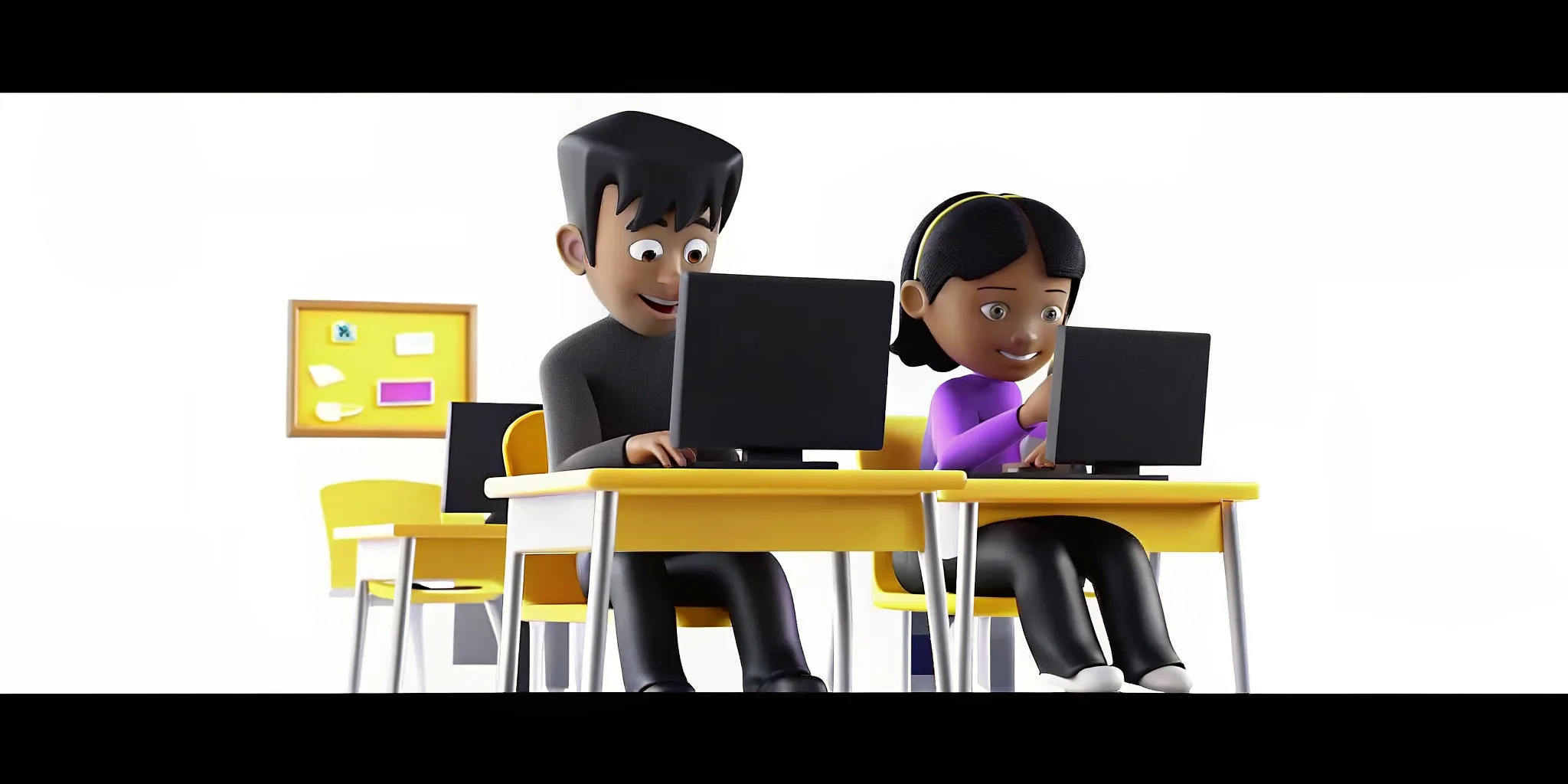
A student learns best when they see a face. Live moving parts allow characters to use silent signs like a smile or a nod. These small moves help get a point across better than plain text. Studies show that android avatars improve learning by acting like real people. When students see these traits, they stay on task for longer.
This visual boost is not just for show. Using bright and active parts can help a student keep 20% to 30% more info. In Genies Chat, users see characters that react with voice and looks in the moment. This makes the session feel like a real chat instead of a chore. It turns a dull lesson into a live event that kids want to join.
Why feelings build a bond
Focus starts with how a student feels. If a character feels like a friend, the student will listen. This is known as a feel-based bond. It is a key reason why some AI tools work better than others in schools. Studies in Frontiers in Psychology show that feelings drive how we use tech. A character that shares a laugh or shows care builds a bond with the learner.
Building trust through persona
Students focus more when characters have traits they can relate to. A Smart Avatar AI system can give a character a unique past and voice. This helps kids feel like they are talking to a peer. When an AI character acts like it cares, it builds trust. That trust is what keeps a student coming back to finish their work.
The gap between a still book and a live character is huge. Text-based prompts lack the life that keeps young minds sharp. AI characters bridge this gap by making the work feel alive. They act as safe partners for practice. Instead of reading about a social event, a student can live through it with a character who reacts to every word.
This shift from reading to doing is vital. It moves the focus from old tasks to active play. When learning feels like a game, the work gets done faster. By adding a visual and feel-based layer, AI characters make sure the lesson sticks. They turn a screen into a space where students feel seen and heard.
Core Educational Use Cases for Animated AI Personas
Static screens and flat text often fail to keep students focused. Using AI characters in education changes this by adding a human touch to digital tools. You can see how conversational AI avatars work when they act in real time with facial looks and voice. This helps bridge the gap between simple chatbots and true learning partners.
Active Study Partners
When students work with an AI persona, they build a bond that helps them learn better. Research shows that learning agents can improve creative thinking and school grades. These characters do not just give answers. They guide the learner through the task with a unique character and backstory.
Tutors can also change their tone and how hard the task is for each student. This one-on-one help scales much better than old ways. For a look at how these tools help adults learn, see how they transform the educational and training experience in work settings.
Immersive Class Learning
The best way to learn is through doing. Animated characters let students step into safe roles to practice social skills or new languages. Since these avatars use Genies Chat tech, they feel like talking to a real person. This makes learning a new skill feel less like a chore and more like a game.
Using android avatars in class helps students stay on task. These characters can tell stories to explain tough science or math ideas. They keep the classroom fun while meeting high goals for teaching.
Animated Tutors: These personas act as 24/7 guides who provide one-on-one help and adapt to the student's level. This makes AI avatar technology a key goal for schools looking to build deeper embodiment.
Historical Figures: Students can talk to AI versions of famous people from the past. This turns a dry history lesson into a live chat that builds a deep link to the past.
Language Practice: Characters provide a safe space to speak a new language. They give natural practice and build confidence before the student speaks in the real world.
Onboarding and Support: AI characters can help new students find their way around a campus or app. They answer common questions and lower the work for staff while giving instant help.
Guided Simulations: Use AI personas to lead students through complex labs or scenarios. They can act as lab partners or patients in medical training to give hands-on practice.
Adding emotional resonance to these digital tools is a big step forward. It moves away from cold tech and toward a more human way of teaching. Schools that use these tools find that students are more eager to join in and stay focused on their work.
Ready to start building AI personas for your software? Explore Genies Studio to see how you can create and configure unique interactive personalities.
Interactive Learning vs. Text-Based Chatbots: A Feature Comparison
Most people know how a standard chatbot works. You type a question and get a text reply. While this helps for quick facts, it often lacks the warmth of a real talk. AI characters in education take a different path. They use 3D looks and personality to make learning feel more like a two-way street.
The limits of text boxes
Standard bots often feel like a digital page of facts. They process words well but miss out on human cues. In a school setting, this can make students feel bored. Text-only tools cannot show feelings or use body moves to explain a point. This often leads to a drop in focus over time.
Learning works best when there is a clear spark. A simple text box rarely builds that bond. It can give the right answer but may not keep a child's interest. To see a better way, you can look at Genies Chat. It shows how 3D personas can bring a talk to life in real time.
The power of visual presence
Research shows that embodied avatars help boost learning results more than bots without a face. When a character has a body, it can point, nod, or smile. These small moves help students understand hard topics. It makes the AI feel like a real helper instead of just code.
Users talk to fully animated characters who match tone and behavior in real time. It makes AI chat feel like talking to a person. This is because characters react with voice, mannerisms, and expressions. This real-time change keeps the brain active. It helps students stay on track much longer than they would with a text bot.
Feature | Text-Based Chatbots | Expressive AI Personas |
|---|---|---|
Output Type | Text and links only. | Voice and animation. |
Emotional Depth | Low or none. | High through expressions. |
User Focus | Often short-lived. | Long and deep interest. |
Non-verbal Cues | None. | Nods and gestures. |
Personality | Static or generic. | Unique and adaptive. |
Building a human connection
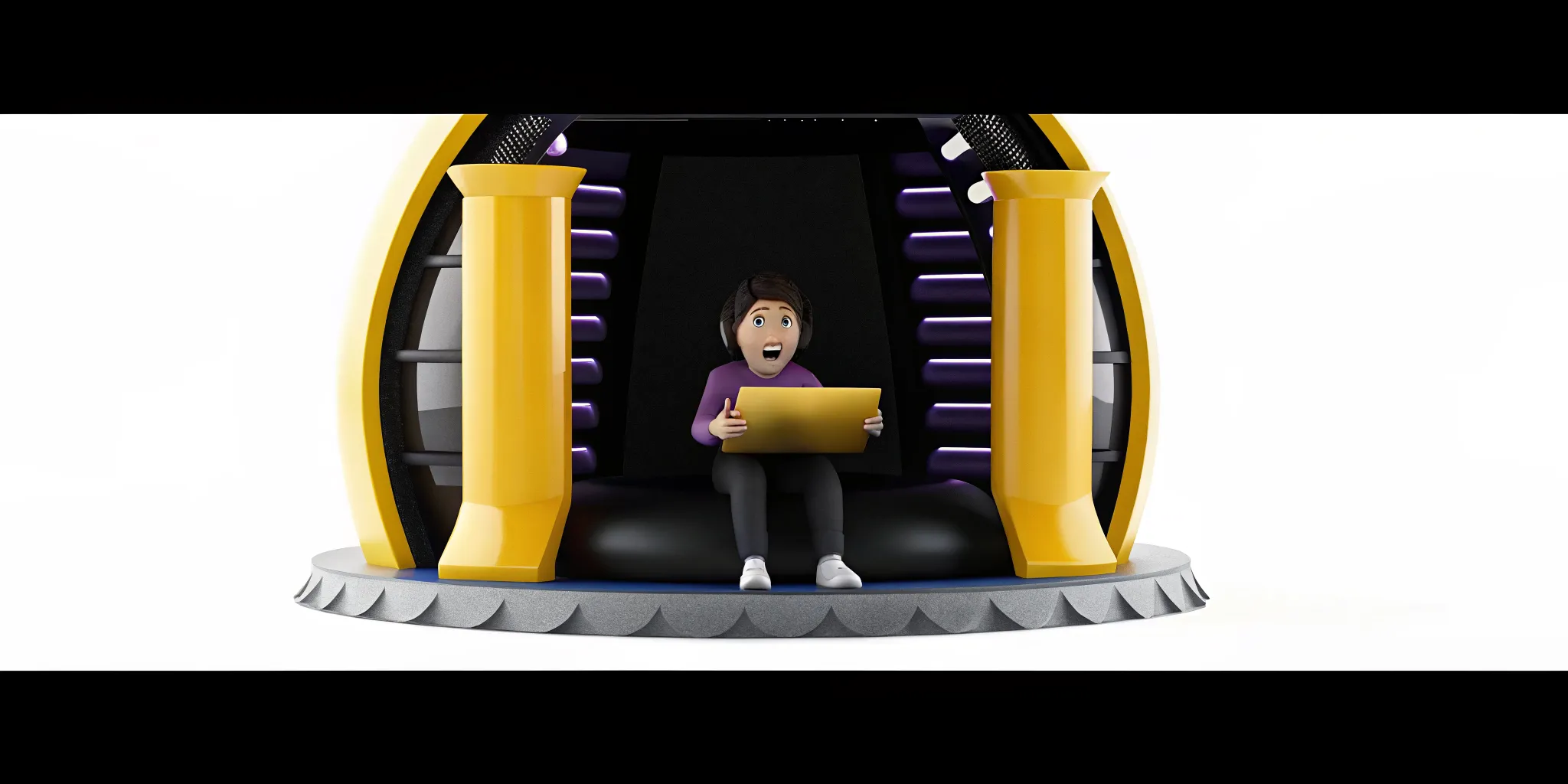
A big part of how conversational AI avatars work is their ability to bond with the user. They do not just give data. They act like peers or tutors who care. This bond can improve learning outcomes like school grades and creative skills. It turns a task into a shared journey. Developing this level of AI embodiment is crucial to making educational characters feel like real friends.
Expressive personas use their voice to make the AI feel real. Instead of a text box, users talk to a character who reacts to them. This makes the session feel personal. Students are more likely to ask questions when they feel a sense of trust with their AI guide.
Modern tech now allows these characters to adapt to each student. They can change their tone to be more kind or firm. This level of care is hard to find in a basic bot. By using looks and sound, these characters make the digital world feel much more human.
Technical and Safety Considerations for Learning-Product Teams
Building for schools means putting safety first. Teams must protect young users at every step. This starts with how the tech handles data. You need a clear plan for building custom AI characters for learning. You must keep student info safe from the start.
Data privacy and safety
When you build AI characters in education, you must follow strict laws. These laws keep kids safe online. The proper use of AI in schools needs a deep focus on data privacy. This is true for all products made for kids. You must check that your tools meet COPPA and FERPA rules. These rules stop the spread of private data without a parent's OK.
Good safety is not just about laws. It is about how the system works. Learning teams need to know where data goes. They should choose tools that do not share personal facts. Safe systems help build trust with parents and teachers. Trust is the first step to getting these tools into the class.
Structured systems versus black boxes
Many teams use large AI models that are hard to guess. These "black boxes" can say things that are not right for kids. This is a big risk for school products. Instead, use a system that gives you control. The Genies Enterprise SDK lets you set clear paths for what characters say and do. It uses a set of rules to keep the talk safe.
A structured system keeps the character on track. It uses a set "brain" and fixed traits. This makes the character more steady than a random bot. You can check how chat-based AI avatars work to see the difference. A clear structure helps you avoid bad or odd words. It gives you a way to test and fix errors before kids see them. You can also set guardrails that block topics that do not fit the school day. This adds a layer of safety that black boxes lack.
Safety also comes from the look of the character. The Smart Avatar system uses real-time cues. These cues match the lesson and the needs of the learner. This helps the AI feel like a helper, not a threat. By using a secure SDK, you can focus on teaching. You do not have to worry as much about the AI going off script or saying the wrong thing. You can build a space where students feel safe to learn and grow.
Ready to elevate student engagement with fully animated digital helpers? Schedule a consultation with our Enterprise team to integrate the Genies SDK into your platform.
Frequently Asked Questions
Can AI characters be used as virtual tutors or teachers?
AI characters work well as virtual tutors by acting as active study partners. They guide students through hard tasks and give help in real time. These digital agents do not replace human teachers but act as a support layer. According to research in the National Library of Medicine, learning agents help students reach better results. They show a clear boost in how well students think and share their ideas.
What are the benefits of using AI characters in classroom projects?
Using AI characters in classroom projects helps students stay focused on their work. Genies Chat is where AI personas come to life. Users talk with animated characters that match tone and behavior in real time. Research shows that adding visual parts to learning can boost retention. Studies show students keep twenty to thirty percent more in their head. This makes big tasks feel like a game.
What is educational storytelling with AI characters?
Educational storytelling uses AI characters to guide students through a story that teaches a lesson. A student talks to a character that lives in the story. This creates a deep link that helps the student care about the topic. The National Institutes of Health states that using avatars with human traits improves how well people learn. This method turns a dry lesson into a fun path that students want to follow.
How do learning products ensure data privacy with AI characters?
Learning products must follow COPPA and FERPA regulations. This includes preventing the collection or sharing of children's private personal data without parent consent. Choosing tools that do not share personal facts, and using structured SDKs like Genies Enterprise SDK that keep interactions within strict safety rules.
Can AI characters adapt to individual student learning styles?
Yes, expressive AI personas can adapt their tone, pace, and support based on real-time student cues. They can offer encouragement when a student is struggling or introduce advanced challenges when they are succeeding, creating a personalized learning environment.
Ready to build AI characters for your students?
Most learning tools are just flat screens and text boxes. Students today want to talk to characters that feel real to stay on task. Students can also use Genies Chat to see how AI characters react in real time. If you do not add AI personas now, your product might lose its spot in the market. Other brands are now moving into this space to grab their focus. You can learn more about how AI avatars work to see the value. Starting today means you can test your new tools and be ready for the next school year. Do not wait for others to lead the way in tech for schools.
Ready to build? Contact our team to explore the Genies Enterprise SDK and start your project.