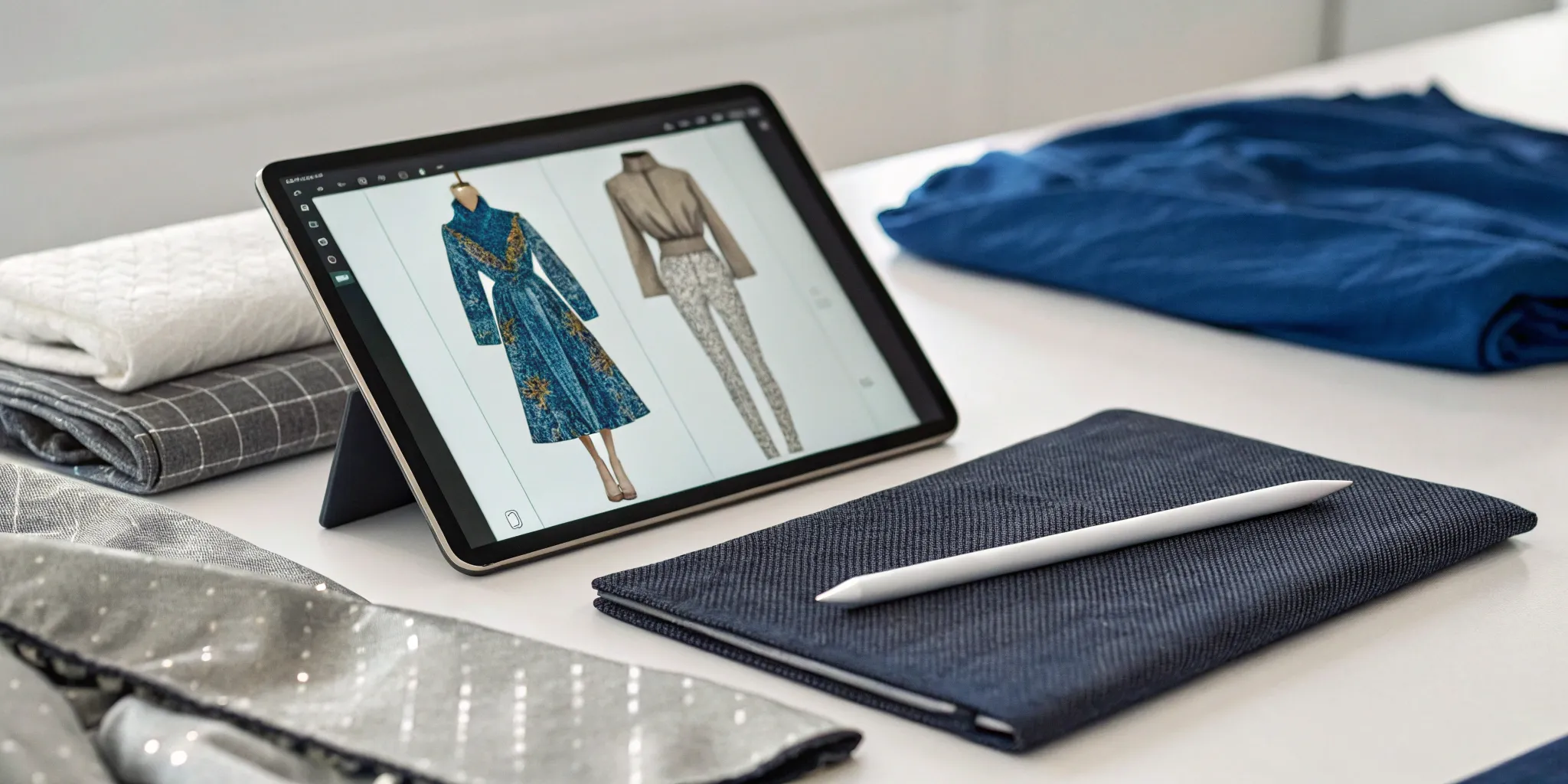
How to Create Digital Fashion From Start to Finis
The traditional fashion industry is known for being wasteful and expensive. Creating a single physical garment requires multiple samples, tons of fabric, and a lot of time. Digital fashion changes all of that. By designing in a virtual space, you can experiment with endless ideas, test different fabrics, and perfect your fit without creating any physical waste. This isn't just a more sustainable way to work; it's a faster and more efficient process that gives creators incredible freedom. If you're ready to embrace a smarter way to design, this guide will walk you through the fundamentals of how to create digital fashion and build a collection with zero environmental impact.
Key Takeaways
Embrace creative freedom with digital fashion: Design without physical limits, material waste, or high costs, giving you a sustainable and accessible path to launch your own brand.
Choose your tools to match your vision: Follow the core design process from 2D sketch to 3D model, but select software based on your specific goals, whether you're creating photorealistic garments or interactive pieces for virtual worlds.
Go beyond the software to build your brand: Your technical skills are the foundation, but true growth comes from engaging with design communities and marketing your work through compelling stories and strategic collaborations.
What is Digital Fashion?
Think of your favorite outfit. Now, imagine it existed only online. That’s the essence of digital fashion. It’s a world of clothing, shoes, and accessories designed exclusively for virtual spaces—from social media filters and video games to immersive digital worlds. You can’t physically touch these items, but your digital avatar can wear them, or you can overlay them on your photos and videos. It’s a new frontier for self-expression, where the only limit is your imagination.
For years, digital outfits were mostly seen in gaming, but now they’re stepping into the spotlight as a legitimate form of creative and commercial work. This shift opens up incredible opportunities for designers, artists, and anyone with a unique vision. Instead of just dressing ourselves, we can now style our digital selves, creating looks that defy gravity, change colors with a click, or are made of materials that don't exist in the real world. It’s a way to explore identity and creativity in a completely new medium, powered by innovative technology that brings these virtual creations to life.
From Traditional Sketching to Digital Creation
If you think creating digital fashion requires a completely different mindset, you might be surprised. The process often starts just like traditional design: with an idea and a sketch. Many designers begin by drawing their concepts in 2D using apps like Procreate or Adobe Illustrator to map out the silhouette, details, and overall feel.
From there, the design moves into the third dimension. Using specialized 3D fashion design software like CLO3D or Marvelous Designer, you can build the garment piece by piece, drape it onto a digital avatar, and fine-tune the fit. This is where you apply textures that mimic everything from silk to leather and even animate the piece to see how it moves.
Why Digital Fashion is a Game-Changer for Creators
Digital fashion isn't just a cool concept; it’s a more sustainable and efficient way to create. By designing virtually, you can skip the process of making multiple physical samples, which saves a ton of time, money, and materials. This is a huge win for the environment, as it dramatically cuts down on the fabric waste that’s common in the traditional fashion industry.
For creators, this means you can experiment more freely and bring your ideas to life faster than ever before. You can test out wild concepts, get immediate feedback, and build an entire collection without ever touching a sewing machine. It lowers the barrier to entry, giving independent designers a platform to showcase their talent to a global audience and build a business around their digital creations.
Your Digital Fashion Toolkit: Essential Software
Think of your software as a digital sewing room, with each program serving as a specialized tool. You don't need to master every single one, but understanding what each does best will help you build the perfect workflow for your creative vision. The journey from a simple idea to a fully realized digital garment often involves moving between different applications—one for sketching your initial concept, another for building the 3D model, and a third for bringing it to life on an avatar.
The right toolkit depends entirely on your goals. Are you aiming for hyper-realistic pieces that mimic real-world couture, or are you creating playful, animated outfits for virtual worlds? This section will walk you through some of the most popular and powerful options available, from industry-standard programs to incredible open-source alternatives. We'll look at what each one excels at, so you can start assembling your ideal digital design studio.
Genies Avatar Framework for Interactive Experiences
This is where your designs meet their audience. The Genies Avatar Framework is designed to help you create digital fashion that people can actually interact with. Instead of just creating a static image of a garment, you can build experiences where users can wear and engage with your creations in virtual spaces. This is perfect for designers who want to see their work integrated into social and gaming platforms, turning passive viewers into active participants. Think of it as the final stage where your fashion becomes part of a living, breathing digital world. It’s a powerful way to build a community around your designs and give them a life beyond the digital mannequin.
CLO3D for Professional Garment Simulation
If you want to create digital clothing that looks and behaves just like its real-world counterpart, CLO3D is the industry gold standard. This powerful 3D fashion design software lets you draft 2D patterns and instantly see them stitched together on a 3D avatar. You can adjust the fit, test different fabrics, and see exactly how a garment will drape and move before a single stitch is sewn in real life. It’s an essential tool for designers who need precision and true-to-life visualization. CLO helps you perfect your designs in a virtual space, saving time and materials while allowing for endless creative experimentation.
Marvelous Designer for Realistic Fabric
While CLO is focused on the entire garment production process, Marvelous Designer excels at one thing: making fabric look incredibly real. This software is a favorite among artists in the gaming and film industries because of its advanced cloth simulation. It allows you to create 3D digital garments that capture the subtle folds, wrinkles, and movement of any material you can imagine, from flowing silk to heavy leather. If the texture and lifelike drape of your digital fashion are your top priorities, Marvelous Designer gives you the tools to achieve stunningly realistic results that will make people do a double-take.
Adobe Illustrator for 2D Sketching
Before you can build a garment in 3D, you need a solid blueprint. That's where Adobe Illustrator comes in. For decades, fashion designers have relied on Illustrator to create the detailed 2D patterns and technical drawings, often called "tech packs," that serve as the foundation for any piece of clothing. Its precision vector tools are perfect for drafting clean pattern pieces, adding stitch lines, and mapping out every detail of your design. While it’s not a 3D program, mastering Illustrator is a crucial first step in the digital fashion workflow and one of the most valuable online fashion design resources you can learn.
Blender for Advanced 3D Modeling
For creators who want a powerful, all-in-one 3D tool without the hefty price tag, Blender is an absolute game-changer. As a free and open-source program, it has a massive community and an incredible range of capabilities. You can use it for everything from modeling intricate accessories and garments to creating complex animations and entire virtual scenes. While it has a steeper learning curve than some specialized fashion software, its versatility is unmatched. If you're on a budget or want to push the creative boundaries of your work beyond just clothing, learning to create 3D digital fashion in Blender will open up a world of possibilities.
How to Pick the Right Software for You
Choosing your first digital fashion software can feel like a huge decision, but it doesn’t have to be overwhelming. The best tool for you really depends on your goals, your budget, and how much time you want to spend learning. Some programs are incredibly powerful but come with a steep learning curve, while others are designed to get you creating right away. Think of it like picking an art medium—you wouldn't start with oil paints if you just wanted to sketch out a quick idea in a notebook.
The key is to find a balance between capability and usability. You want software that can grow with you as your skills improve, but that won't be so complicated that you give up before you even start. Many designers use a combination of tools, like Illustrator for initial sketches and a 3D program for bringing them to life. Don’t feel pressured to master everything at once. Start with one program, get comfortable with its workflow, and then explore others as you identify new needs. The following points will help you break down the decision and find the perfect fit for your creative journey.
Consider the Learning Curve
Every new piece of software requires some time to learn, but the ramp-up period can vary wildly. Some programs are intuitive and feel familiar right away, while others, especially professional-grade 3D modeling tools, can take months to master. Be honest with yourself about how much time and energy you can dedicate to learning. A steep learning curve isn't a dealbreaker if the software offers powerful features you need, but it’s an important factor to consider.
Luckily, you don’t have to learn in a vacuum. Many platforms offer amazing online courses that walk you through the basics and beyond. These resources can make even the most complex software feel approachable, breaking down intimidating processes into manageable steps.
Compare Pricing and Your Budget
Digital fashion software comes at every price point, from free open-source programs to expensive monthly subscriptions. Your budget will naturally play a big role in your decision. The good news is that a higher price tag doesn't always mean "better," especially when you're just starting out. There are fantastic, affordable tools that give you everything you need to design and prototype your first collection.
Before you commit, look for free trials. Almost all paid software offers a trial period, which is the perfect opportunity to test the interface and see if it clicks with your creative style. This lets you experiment with a few different options without any financial risk. You can always upgrade to a more advanced tool later on as your skills and needs evolve.
Look for Beginner-Friendly Features
When you're new to digital design, you want a tool that helps you build confidence, not frustration. Look for software that is known for being user-friendly. This could mean having a clean, intuitive interface, offering pre-made templates and assets to get you started, or including built-in tutorials that guide you through key features. Some programs are specifically designed with beginners in mind, simplifying complex processes like pattern making and 3D draping.
These features are designed to lower the barrier to entry, allowing you to focus on your creative ideas instead of getting stuck on technical hurdles. A good beginner-friendly program will make the process feel more like play, encouraging you to experiment and discover what’s possible.
Check for Tutorials and Community Support
Never underestimate the power of a good support system. When you inevitably get stuck on a feature or can't figure out why your digital fabric is clipping, a strong community can be a lifesaver. Before choosing a program, do a quick search to see what the community around it is like. Are there active forums, a helpful subreddit, or lots of tutorials on YouTube?
A vibrant user base means you’ll have a wealth of knowledge to draw from. You can find answers to common questions, get feedback on your work, and learn new techniques from more experienced designers. Engaging with a design community is one of the best ways to accelerate your learning and stay motivated when you hit a creative block.
A Step-by-Step Guide to Creating Digital Fashion
Ready to bring your first digital fashion piece to life? It might seem complex, but the process is a straightforward blend of classic design principles and modern technology. Think of it as a creative journey that takes your spark of an idea and transforms it into a wearable digital item. Whether you're dreaming up a gravity-defying gown or a super-sleek streetwear look for an avatar, the path from concept to creation follows a few key stages.
We’ll walk through the entire digital fashion design process together, breaking it down into six manageable steps. You'll start by gathering inspiration, then move to sketching, building your 3D model, adding textures, and refining the fit. The final step is creating a stunning visual of your finished piece. Each stage builds on the last, giving you a clear framework to follow as you develop your skills and find your unique voice as a digital designer. Let's get started.
Step 1: Find Your Inspiration
Every great design begins with an idea. Before you even think about opening a design program, give yourself time to explore and gather inspiration. Create a mood board—a visual collection of images, colors, and textures that capture the feeling you want your design to have. Scroll through Pinterest, check out fashion creators on Instagram, or browse digital marketplaces to see what’s currently trending. The goal isn't to copy what others are doing, but to build a visual library that helps you define your aesthetic and clarify the direction for your collection. This foundation will be your guide throughout the entire creative process.
Step 2: Sketch Your 2D Design
Once your head is full of ideas, it’s time to get them out. Start sketching your designs, either with a good old-fashioned pencil and paper or on a tablet. At this stage, don’t worry about perfection. The key is to create lots of rough sketches, exploring different silhouettes, shapes, and details. Think of this as a brainstorming session where you’re just letting your creativity flow. These initial drawings are the blueprint for your 3D garment. Once you have a few concepts you love, you can choose one to refine and develop into a more detailed, clean sketch that will guide your 3D modeling.
Step 3: Build Your Garment in 3D
This is where your 2D sketch starts to take on a life of its own. Using 3D modeling software, you’ll construct your garment piece by piece, much like a real-world tailor. Programs like CLO3D and Marvelous Designer are industry standards for creating realistic clothing, while a versatile tool like Blender is a fantastic, free option for getting started with 3D modeling. You’ll translate your flat pattern pieces from your sketch into a 3D form, stitching them together digitally around an avatar. This step transforms your design from a simple drawing into a tangible, three-dimensional object you can view from any angle.
Step 4: Apply Textures and Materials
A 3D model is just a shape until you give it texture and detail. This step is all about making your digital garment look like it’s made from real fabric. You’ll apply textures to simulate everything from soft cotton and shiny silk to rugged denim and intricate lace. You can find a huge library of high-quality materials at a resource like Adobe Substance 3D Assets. Beyond the base fabric, you’ll add the small details that bring your piece to life, like seams, topstitching, buttons, and zippers. This is what gives your design depth, realism, and a professional finish.
Step 5: Test the Fit and Movement
How a garment fits and moves is just as important in the digital world as it is in the physical one. Now, you’ll place your 3D garment on an avatar to see how it drapes, hangs, and interacts with the body. You can adjust the fit, tweak the colors, and experiment with different patterns until it looks exactly right. This is also where you can test how the fabric moves when the avatar walks or poses. Ensuring your creation looks great in motion is essential for its utility in interactive experiences, which is a core part of the Genies Avatar Framework.
Step 6: Render Your Final Piece
You’ve designed, built, and perfected your piece—now it’s time for its close-up. Rendering is the process of creating a high-quality, photorealistic image or animation of your final design. This is your chance to showcase your work in the best possible light. You can set up a virtual photoshoot with custom lighting, backgrounds, and avatar poses to create stunning visuals for your portfolio or social media. These final images are what you’ll use to market your design, share it with the world on platforms like ArtStation, and build your reputation as a digital fashion creator.
Common Hurdles for New Digital Designers
Every creative journey has its challenges, and digital fashion is no exception. While the tools are more accessible than ever, bringing your ideas to life involves a few common hurdles. Think of these not as roadblocks, but as opportunities to sharpen your skills and define your unique perspective as a designer. Getting familiar with these challenges from the start will help you prepare for them and find creative solutions along the way. From the technical to the purely creative, here are a few obstacles you might encounter as you get started.
Mastering Complex Software
Jumping into a new design program can feel like learning a new language. One of the first challenges for any new digital designer is getting comfortable with complex software. Because the industry relies on these advanced design tools, it’s worth investing the time to learn them well enough to bring your vision to life. Don't feel pressured to become an expert overnight. Start with the basics, follow tutorials, and practice regularly. Every designer starts somewhere, and with patience, the software will eventually feel like a natural extension of your creativity rather than a barrier.
Turning 2D Sketches into 3D Models
Translating a flat drawing into a three-dimensional garment that moves and drapes realistically is a huge leap. This process requires more than just technical skill; it demands a solid understanding of garment construction and how different fabrics behave. You’re not just creating an image; you’re building a virtual product that needs to fit and function correctly on an avatar. This is where your knowledge of traditional pattern-making and sewing can be a huge asset. It’s a puzzle of connecting digital patterns, adjusting seams, and ensuring the final piece looks just as good in motion as it does standing still.
Making Digital Fabrics Look Real
The difference between a good digital garment and a great one often comes down to the fabric. A significant hurdle for designers is making digital materials look and feel real. You have to find ways to create textures that connect with people, bridging the gap between a digital file and the feeling of a physical textile. This involves mastering things like texture mapping, lighting, and material properties to simulate the sheen of silk or the roughness of denim. It’s this attention to detail that makes your creations believable and desirable, transforming them from simple models into true digital fashion pieces.
Developing Your Signature Style
Once you have the technical skills down, the next challenge is a creative one: finding your voice. Developing a unique signature style is essential for standing out, especially as the digital fashion world grows. With so many creators entering the space, it can be tough to carve out a niche that feels authentic to you while also resonating with an audience. This is where you get to play, experiment, and pull inspiration from everywhere. Don't be afraid to try new things and see what sticks. Your unique perspective is your greatest asset, and building a strong brand around it is key to your long-term success.
Where to Learn Digital Fashion Design
Jumping into digital fashion doesn't require a traditional design degree. The internet is packed with resources that can take you from a curious beginner to a confident creator, often at your own pace and on your own budget. Whether you prefer structured classes or learning from a community of peers, there’s a path for you. The key is to find the learning style that clicks and start experimenting. From comprehensive courses to quick tutorials, you can build a solid foundation and start bringing your creative ideas to life.
Online Courses and Certifications
If you thrive with a bit of structure, online courses are a fantastic way to learn the ropes. Platforms like Domestika, Skillshare, and Udemy offer a wide range of classes covering everything from the basics of digital sketching to advanced 3D garment creation. These courses are taught by industry professionals and allow you to learn step-by-step. You can find comprehensive training that fits your skill level, whether you're just starting out or looking to refine a specific technique. It’s a great way to build a strong, foundational knowledge of the tools and principles of digital design.
YouTube Tutorials and Free Guides
Don't have a budget for courses yet? No problem. You can learn an incredible amount for free. YouTube is a goldmine of digital fashion tutorials where experienced designers share their workflows, tips, and tricks. This is the perfect place to get a feel for different software before you commit. Many software companies also offer free trials or even free versions of their tools, giving you a hands-on way to practice what you learn from tutorials. It’s an accessible, no-pressure way to start building your skills and discovering what you enjoy creating most.
Design Communities and Forums
Sometimes the best way to learn is by connecting with people who share your passion. Online communities and forums are invaluable for getting feedback, asking questions, and staying inspired. You can find groups dedicated to fashion appreciation and others focused on the business side of the industry. Joining a design community on platforms like Reddit or Discord lets you see what other creators are working on, learn from their challenges, and share your own progress. It’s a supportive way to grow your skills and build connections with fellow designers from around the world.
Software-Specific Training
Once you’ve chosen your primary design software, focusing on specialized training can make a huge difference. Most tools, like CLO 3D or Blender, have a learning curve, and dedicated courses can help you master their features much faster. These resources are designed to show you the ins and outs of a specific program, helping you understand its unique workflow and make the most of its powerful features. Many platforms offer specialized training that focuses on one tool, which is perfect for moving beyond the basics and learning the professional techniques that will make your designs stand out.
How to Create Lifelike Digital Fabrics
One of the most exciting challenges in digital fashion is making your creations look and feel real. The magic is in the fabric. Getting the texture, drape, and movement right is what separates a good design from a truly breathtaking one. It’s how you convince the eye that a digital garment has weight, softness, and life. Fortunately, you don’t need to be a textile expert to create stunning virtual materials. With the right techniques and tools, you can breathe realism into every thread of your digital designs.
What Makes Digital Fabrics Believable?
Believable digital fabric comes down to physics and detail. Think about the difference between denim and silk in the real world. Denim is stiff and heavy, creating structured folds, while silk is light and fluid, draping softly. Recreating these properties is the first step. Modern 3D fashion design software uses advanced simulation engines to mimic how different materials behave. It calculates everything from gravity's pull to the way fabric reacts to an avatar's movement. This technology allows you to assign physical properties to your digital textiles, ensuring they hang, stretch, and wrinkle just like their real-world counterparts, making your virtual clothes look authentic on digital models.
Techniques for Texture Mapping
Texture mapping is essentially the process of applying a 2D image onto your 3D garment to give it surface detail. This is where you add the visual weave of cotton, the bumpy grain of leather, or an intricate print. To start, you’ll need high-resolution texture images, which you can create yourself or find in online libraries. The software then wraps this image around your 3D model. Many programs now use AI to help make fabric look real by automatically adjusting patterns to fit perfectly, which makes the design process much faster and more precise. Paying close attention to the scale and direction of the texture is key to achieving a natural look.
Using Light and Materials to Add Realism
A texture map gives your fabric its pattern, but the material settings give it life. This is where you define how your fabric interacts with light. Is it matte, shiny, or somewhere in between? You can adjust properties like roughness, which determines if the surface is dull or glossy, and metallicness, which is perfect for creating sequins or lame. You can even add subtle imperfections, like the tiny fibers on a wool sweater, using something called a normal map. Experimenting with these rendering settings is crucial for capturing the unique character of each fabric and making your final piece look dynamic and tangible.
The Eco-Friendly Side of Digital Fabrics
Beyond the creative possibilities, there’s a powerful benefit to working with digital fabrics: sustainability. The traditional fashion industry generates significant waste, from fabric scraps to sample shipments. Because digital fashion doesn't use physical materials, it offers a much cleaner alternative. You can experiment with endless fabric types, colors, and prints without consuming a single drop of water or yard of cloth. This allows for limitless creative freedom with zero environmental impact, making it a more responsible way to design, prototype, and share your fashion ideas with the world.
How to Market Your Digital Fashion
Once you’ve designed your digital fashion piece, the next step is getting it in front of the right people. Marketing your creations is just as creative as making them. It’s about building a brand, connecting with an audience, and showing the world what you’ve made. Unlike traditional fashion, you have the advantage of using dynamic, immersive digital platforms to showcase your work in ways that were never possible before. The key is to find the channels that best tell your story and reach the people who will love your designs.
Effective fashion marketing combines strategic branding with digital innovation to capture your target audience's attention. For digital creators, this means using the unique qualities of the virtual world. You can create entire experiences around a single garment or collection, offering a level of engagement that physical items can't match. From building a narrative on social media to partnering with digital influencers, your marketing efforts bring your designs to life and turn your creative passion into a recognizable brand. Let’s walk through a few powerful ways to get your digital fashion noticed.
Tell a Story on Social Media
Your designs are more than just pixels; they have a story. Social media platforms like Instagram, TikTok, and X are the perfect places to share it. Don’t just post a final render—show your process. Share your inspiration mood boards, initial sketches, and behind-the-scenes clips of your design process. This narrative helps people connect with you as a creator and appreciate the artistry behind each piece. Use high-quality visuals of your garments on avatars, and create short videos showing how the fabric moves. Storytelling builds a community around your brand, turning followers into loyal fans who are excited to see what you create next.
Host Virtual Fashion Shows
Ready to make a big impression? Host a virtual fashion show. This is your chance to showcase an entire collection in a dynamic, immersive environment that you control completely. You can create a unique digital venue, set the mood with music and lighting, and have avatars walk the runway in your designs. These virtual events are more accessible than physical shows and can be recorded and shared long after the live event ends. It’s a powerful way to generate buzz, attract attention from the press, and give your audience a memorable experience that highlights the full scope of your creative vision.
Explore Digital Marketplaces
To sell your creations, you need a storefront. Digital marketplaces are essential for getting your designs in front of an audience that’s actively looking to acquire new virtual items. These platforms give you visibility and a straightforward way to handle transactions, so you can focus more on designing. Each marketplace has its own aesthetic and community, so do a little research to find one that aligns with your style. Listing your pieces on established digital marketplaces adds credibility to your work and connects you with a global network of buyers and fellow creators.
Collaborate with Influencers
One of the fastest ways to get your designs seen is by collaborating with digital influencers and their avatars. These creators have built-in audiences that trust their style and recommendations. When an influencer wears your design, it’s a powerful endorsement that can introduce your brand to thousands of potential customers. Look for influencers whose aesthetic matches your own and reach out with a proposal for a partnership. Whether it’s a single sponsored post or a full collection collaboration, working with the right partners can put your digital fashion on the map.
Related Articles
Frequently Asked Questions
Do I need to know how to sew or make physical clothes to create digital fashion? While you don't need to be a master tailor, having a basic understanding of how clothes are constructed is incredibly helpful. Knowing how a flat piece of fabric turns into a 3D garment will give you a huge advantage when you start building patterns in software like CLO3D. Think of it less about knowing how to operate a sewing machine and more about understanding the logic of how seams, darts, and panels come together to create a shape.
What's the most important software to learn first if I'm a complete beginner? If you're starting from scratch, I'd suggest getting comfortable with a 2D design program like Adobe Illustrator first. This is where you'll learn the fundamentals of creating clean sketches and pattern pieces, which are the blueprints for everything else. Once you have that down, moving to a free 3D program like Blender is a great next step to learn the principles of 3D modeling without a financial commitment.
How can I make my digital clothes look realistic and not like a video game costume? The secret to realism is in the details of the fabric. It's not just about the color or print, but about how the material interacts with light and movement. Focus on finding high-quality textures and learning how to adjust material properties like roughness and sheen. Adding subtle imperfections, like tiny wrinkles or the specific weave of a fabric, is what truly tricks the eye and makes a garment feel tangible.
Is it expensive to get started with digital fashion design? It really doesn't have to be. While professional software can come with a monthly subscription, there are amazing free, open-source tools like Blender that are powerful enough to create entire collections. Most paid programs also offer free trials, so you can experiment and build your skills before you decide to invest. You can learn a tremendous amount and create a solid portfolio without spending a dime on software.
Once I create a piece, what can I actually do with it? Your finished pieces are your portfolio. You can use them to build a brand on social media, sell them on digital marketplaces, or even collaborate with influencers. The ultimate goal for many designers is to see their work become part of an interactive experience. Platforms like the Genies Avatar Framework allow your designs to be worn and enjoyed by people in virtual worlds, giving your creations a life beyond a static image.