White-Label UGC Party Platforms: The Future of Brand Interaction
Static feeds on social media do not hold user attention anymore. Modern audiences want to do more than scroll, watch, and comment on other people's posts. They want to play, co-create, and interact within spaces built around their favorite brands.
Get started with Genies SDK to build your own branded UGC party platform today.
White-label UGC party platforms let brands host fully branded interactive digital spaces where users create content, play games, and socialize using custom AI avatars. Instead of sending users to third-party social apps, brands keep them on their own websites or applications, maintaining full control over brand voice, user data, and revenue streams.
To understand how these platforms work, let us look at What Are White-Label UGC Party Platforms and explore how they are changing brand-audience interaction.
What Are White-Label UGC Party Platforms?
Most brands think of online user content as a static row of reviews or a social feed widget. But these options do not hold user attention anymore. Today, leading brands look for white-label UGC party platform technology to build fully branded digital spaces where fans play, talk, and create alongside each other. By moving the user experience into an interactive hub, brands can control their own audience data, design, and style.
A Branded Virtual Space
These virtual platforms let a business place its own look and feel over a shared digital lounge. Instead of sending fans to external social media apps, you keep them on your own website. Users can enter a room built for your brand, chat with peers, and share creative items. This setup lets you build a close community that stays connected to your product without the distraction of other feeds.
Active Play Versus Passive Feeds
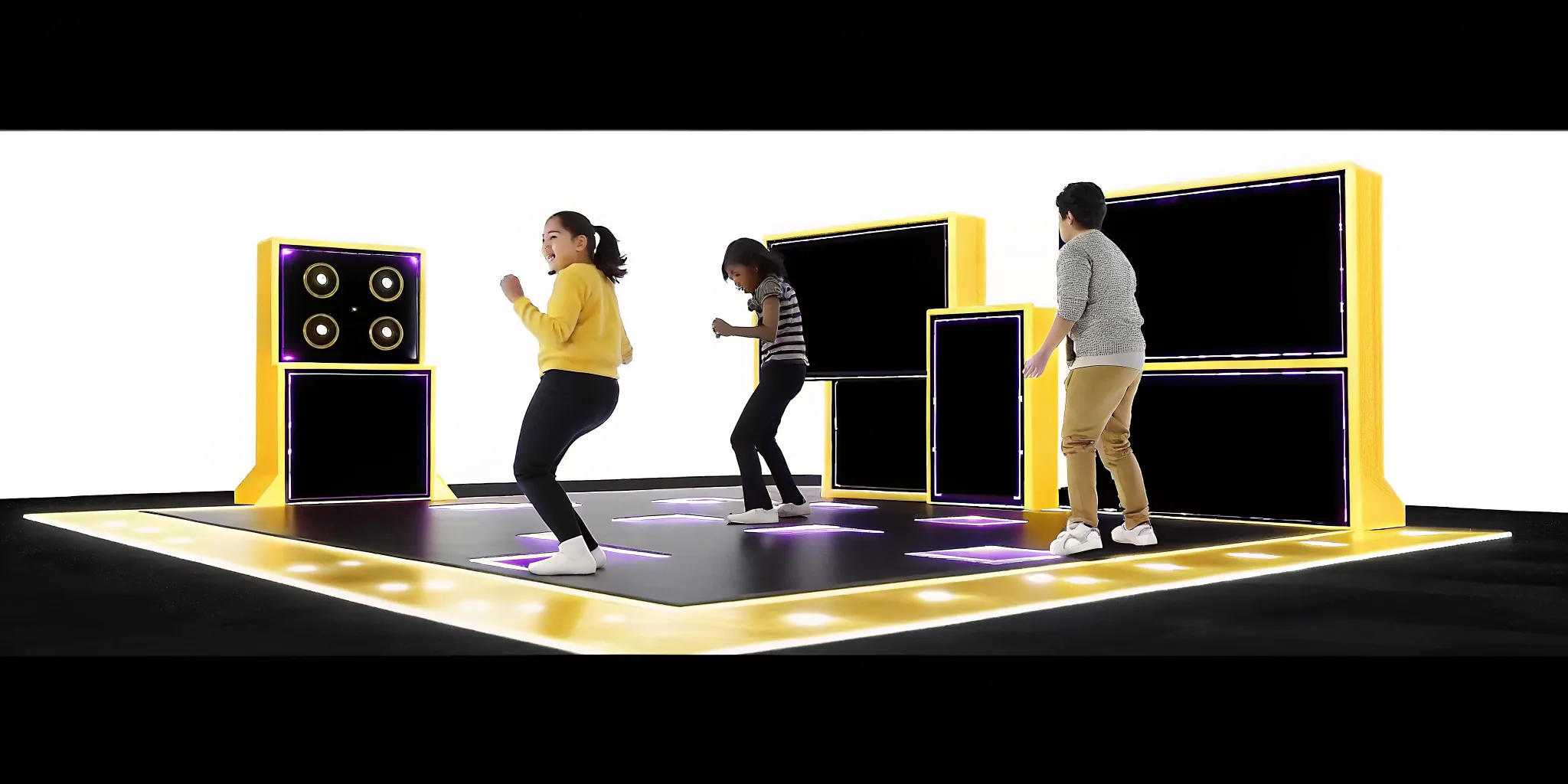
Old widgets only let users read text or look at photos. These newer spaces let users create real-time interactions. Fans can build custom digital goods or join live games designed by other players. The experience shifts from a passive scroll to active play. Since the system is white-label, the host brand owns all of the user data and keeps the traffic on its own domain.
The Power of Interactive Avatars
The core of this technology is the use of customizable digital identities. These interactive avatars let users express themselves with unique styles and movements. Research shows that avatar-led interactions in virtual spaces improve how well people connect and communicate, as documented in a study published by the National Institutes of Health. By letting fans design their own characters, you build deeper ties to your brand.
Why Brands Are Moving to White-Label Party Platforms
Social media has shifted. Users no longer want to just scroll through flat feeds. Instead, they are moving toward active, virtual spaces where they can play and chat in real time. For brands, renting space on major third-party social apps is no longer enough. To survive this shift, companies are turning to white-label UGC party platforms to own their audience relationships, keep user data safe, and capture new revenue.
The Death of Passive Scrolling
Modern internet users do not want to watch from the sidelines. They want to co-create and engage. Traditional feeds offer passive consumption, but gaming and virtual worlds offer active social play. Brands that rely on third-party platforms do not own their user experience or their data. When you build on someone else's land, you are subject to their rules and algorithm changes. White-label UGC party platforms let brands host their own interactive spaces under their own brand name.
Owning the Tech and the Revenue
Moving to a custom, branded space is not just about keeping users happy. It is a major financial win. Building these spaces from scratch used to take months of hard work. Now, modern branded UGC party tools let companies build customized social hubs in moments rather than days. Some white-label platforms can cut days of development into minutes, helping teams launch fast. This quick setup lets businesses scale their revenue with very low extra costs.
The financial math is clear for companies that deploy at scale. Agencies with 100 client sites can generate between $60,000 and $200,000 in annual recurring revenue with almost zero extra cost. For larger platforms that distribute content across more than 1,000 sites, integrating these white-label tools can unlock over $500,000 in annual recurring revenue. The base software is already built and tested, making it easy to scale profits.
Real Proof of Better Engagement
Owning your platform leads to real, measurable growth. When brands give users a space to share content and chat, metrics rise. Case studies show that moving from static feeds to dynamic hubs yields huge benefits. For instance, the agency 45Press saw a 14% boost in user engagement and 16% follower growth after they moved to a dynamic white-label hub. This shows that users stay longer and interact more when they have a dedicated, branded social home.
These virtual hubs also make communication more natural. According to a study from the National Institutes of Health, interactive avatar experiences can improve interpersonal effectiveness and communication in virtual spaces. By giving users digital identities and a dedicated space to connect, brands build stronger bonds with their community.
How AI Avatars Power Interactive Brand Engagement
Static feeds of user content do not hold attention for long. To keep users active, modern platforms use virtual identities that react, talk, and remember. Implementing an Avatar SDK for interactive worlds allows brands to turn passive viewing into active play. When users design their own digital selves, they stay on the platform longer and build a closer bond with the brand.
Building Virtual Connections
Digital characters help make social spaces feel alive. Rather than looking at flat grids of photos, users talk with three-dimensional identities. These smart characters use voice, tone, and real-time expressions to match the mood of the room. Studies published by the National Institutes of Health show that avatar-led interventions in virtual spaces can improve interpersonal communication and virtual engagement. This makes digital spaces feel more natural and comforting to explore.
Driving Authentic Engagement
Unlike old social tools, white-label UGC party platforms let brands host their own spaces. Brands can embed interactive avatar technology to make these spaces feel unique and authentic. Users do not just browse content; they participate in it. According to industry research, real-time AI avatars increase user retention by delivering highly personalized brand interactions. This setup keeps users active and brings them back to the platform day after day.
Creating Persistent Memories
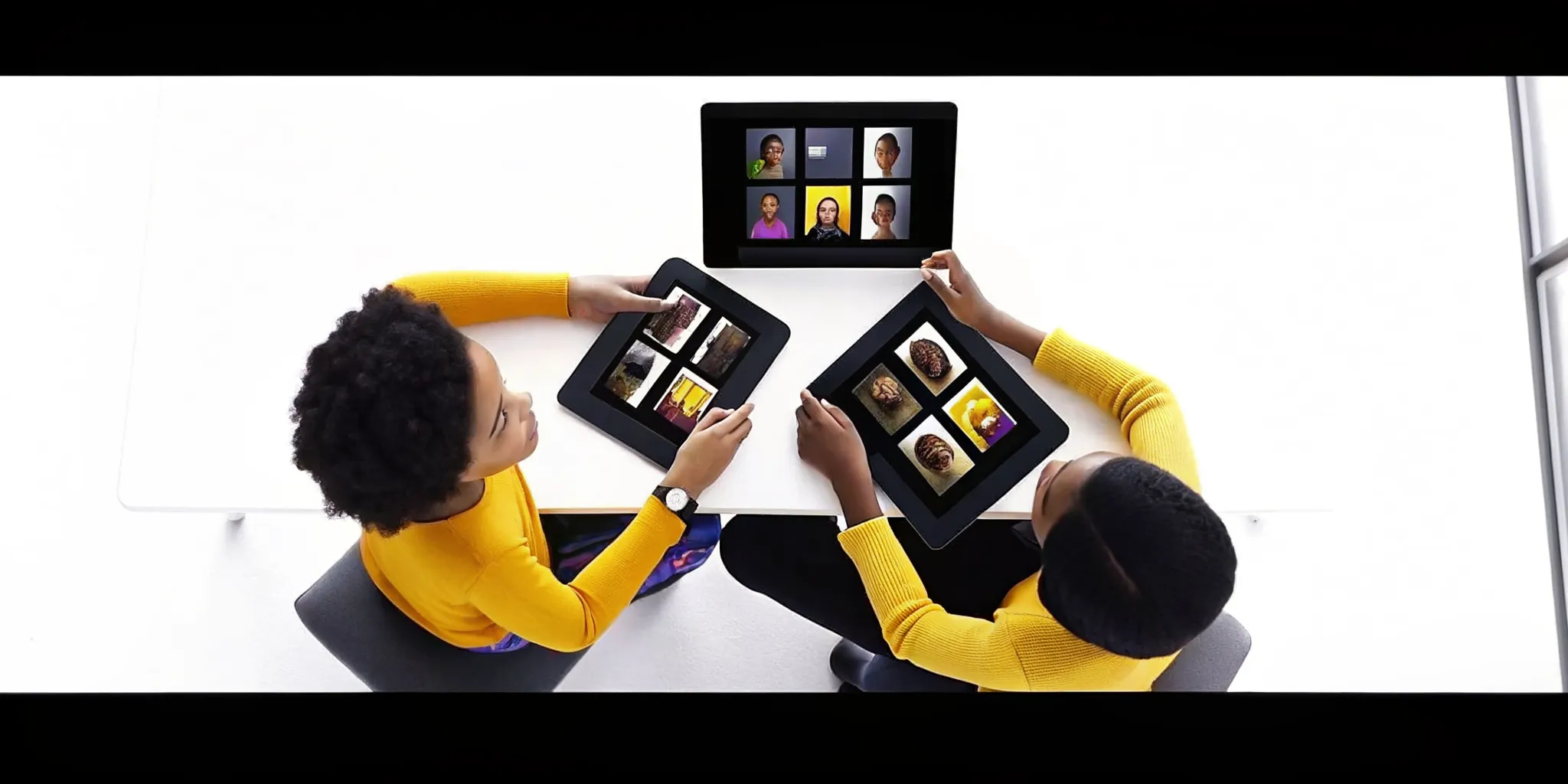
A smart avatar does not reset after each chat session. It remembers past conversations, user names, and individual choices. This persistence builds a continuous story between the user and the brand. Because the avatar behaves in a consistent way, the brand feels reliable and alive. Moving from one-way posts to conversational characters changes how people view online communities, turning a simple app visit into a lasting memory.
Genies Party vs Traditional White-Label UGC Platforms
Brands now face a choice when choosing how to build digital communities. Most legacy systems focus on flat feeds and simple media uploads. Modern platforms let you build real games and social spaces. You can look at the differences between a dynamic party ecosystem and older approaches to find the right fit.
The Dynamic Shift to Active Play
Traditional tools gather images and video from social media. These tools help manage creator rosters and collect content to show on static web pages. But this approach is passive and keeps users in the role of a viewer. It does not allow users to play or talk to each other in real-time digital worlds.
A true party platform lets users make, share, and play in their own games. Users interact through smart digital personas instead of just scrolling through a text feed or a gallery of static photos. These dynamic interactions help make online spaces more social and keep users coming back over time.
Technology and Business Value Comparison
Older systems are simple to set up but limit how much you can grow. A modern Genies SDK gives you full control over your digital assets and how your app makes money. Here is how these tools compare across key features.
Feature | Genies Party | Traditional UGC Platforms |
|---|---|---|
Avatar Quality | Smart Avatars with unique AI personalities and expressions | None or static, flat digital profile pictures |
UGC Type | Interactive 3D games and social experiences | Content aggregation and social media feeds |
Interoperability | Cross-platform asset portability across games | Siloed content locked to one website |
Brand Ownership | Full IP control with a white-label app | Branded widget hosted on a third-party site |
Revenue Model | In-app purchases and a UGC marketplace | Flat subscription fee or sales commissions |
Development Time | Turnkey SDK integration in days | Months of custom coding and API work |
Personalized AI and Real-World Growth
Smart avatars help build real trust by making virtual interactions feel like talking to a real friend. Studies show that avatar-led interventions in digital spaces can improve how well people communicate, which you can read about in this PMC metaverse study. Adding smart personas to your app helps users connect and stay active.
Older systems help with basic social proof, but they do not scale your business model. A true white-label UGC party platform turns your brand into a playground where users build the value. This shift from simple viewing to active playing is what defines the next era of digital brand spaces.
What to Look For in a White-Label Party Platform
Selecting the right tech for your brand is a major step. When you evaluate white-label UGC party platforms, you must look past simple buzzwords. The right software does not just display content. It lets your crowd build, play, and connect in real time. Here are the key features to evaluate.
High Quality AI Avatars. Your digital hosts must feel alive. Look for a system where avatars have actual personalities, memories, and real-time expressions. Instead of static 2D images, characters should match the tone and mood of the chat. Research published by the National Institutes of Health shows that avatar-led experiences improve how people communicate in virtual spaces.
Flexible UGC Creation Tools. If your users cannot build, it is not a party platform. The software needs built-in tools that make it easy for anyone to create games, worlds, or items. You also need strong back-end features to manage your community safely.
Cross-Platform Assets. Your users do not live in a single digital world, and their items should not either. A great system supports open standards so players can take their avatars, clothing, and digital assets with them. When players can move their gear across different games and apps, their digital identity gains real value.
Full Brand Control and Speed. Your brand must own the entire experience. The platform should hide its own name so your brand stays front and center. Speed is just as vital. Look for a system like the Genies SDK for developers that lets you launch and scale without starting from scratch.
For more on how AI avatars are shaping brand interaction, read why voice, face, and movement matter for expressive AI avatars.
Discover Genies Chat and see how AI personas come to life in real-time interactive spaces.
Frequently Asked Questions
Why use white-label UGC solutions for brand engagement?
White-label software lets you host interactive digital spaces under your own brand name. Instead of sending users to other apps, you keep them on your site. This setup helps you control all your user data and build direct relationships. Using these tools to build dynamic hubs can boost user engagement by 14 percent and drive follower growth by 16 percent, according to industry case studies.
How do AI avatars enhance interactive brand engagement?
AI avatars turn static pages into live digital worlds. Users do not just read text. They talk with characters that have unique personalities. A study published by the National Institutes of Health shows that virtual avatar experiences improve communication in digital spaces. These personal touches help brands keep users active and on their sites for longer periods.
Can I integrate custom AI personas into my party platform?
Yes, you can build custom AI personas that look and act like your brand. With tools like the Genies SDK, you can design character looks, brains, and habits. These characters can chat with voice, facial expressions, and body language. This level of customization lets you create safe, on-brand spaces where users can play games and hang out with your virtual team.
What features should a UGC party platform include?
Look for a platform that has deep avatar customization, real-time AI tools, and social play features. It should let users make and share their own content. The system must also be easy to set up. Top platforms let you launch fast, reducing development tasks from days to minutes. This speed allows your team to focus on building a fun space instead of writing custom code.
Are white-label UGC party platforms suitable for small brands?
Yes, these platforms are designed for brands of all sizes. Smaller teams can use turnkey SDK integration to launch quickly without a large development budget. The white-label model also means you keep full brand control and user data ownership from day one. Which helps smaller brands compete with larger players in the interactive space.
Ready to Launch a Branded UGC Party Platform?
Passive social feeds no longer hold the interest of modern digital audiences. Brands that fail to offer interactive, user-generated spaces risk losing their community to virtual platforms that keep users active and engaged. Building these virtual spaces from scratch takes years of custom development and millions in upfront budget. By deploying a white-label solution, you can skip the technical headaches and deliver a highly engaging world to your users within weeks rather than years.
Schedule a demo of Genies SDK and build your own white-label UGC party platform today.