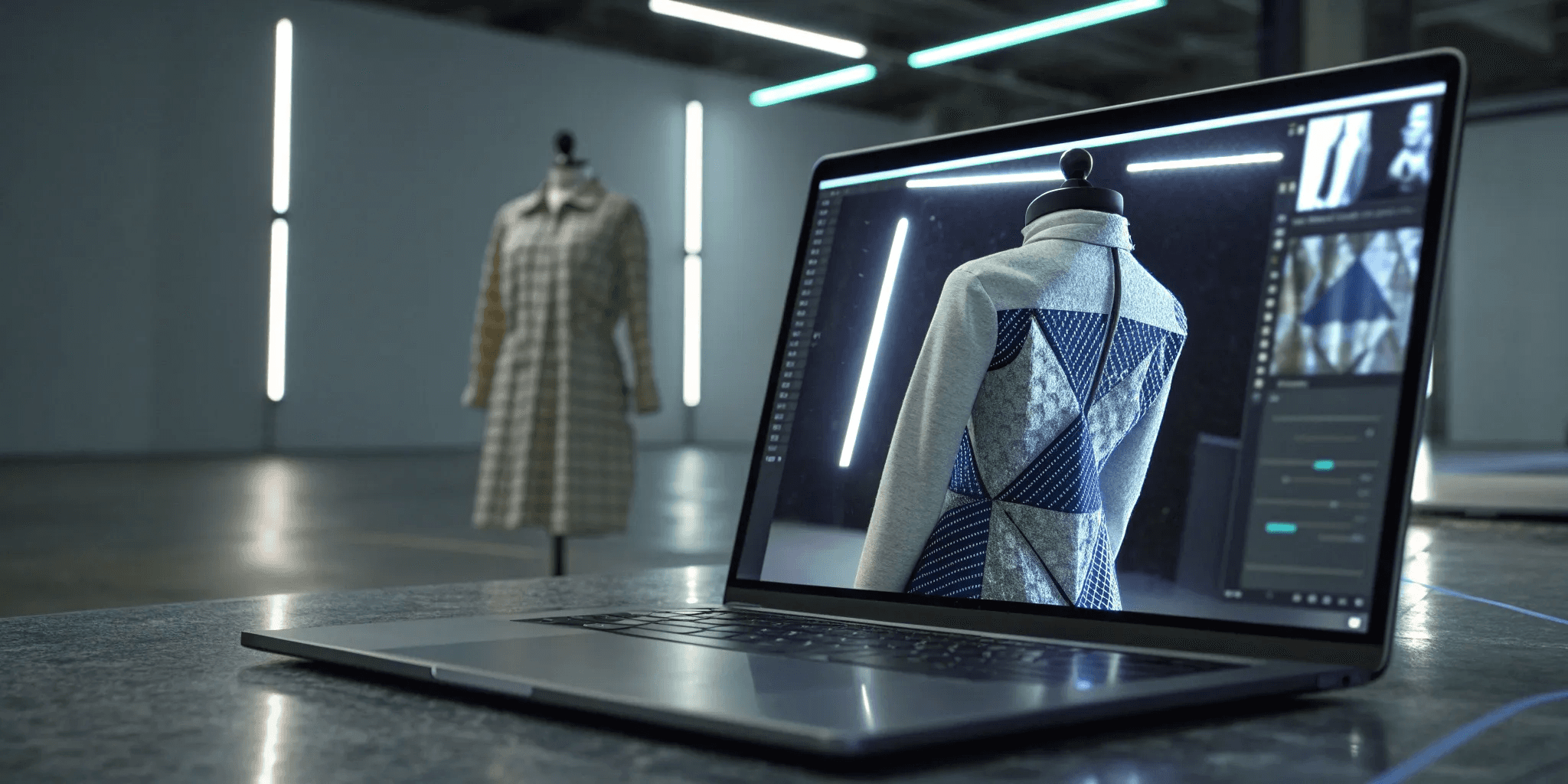
The 5 Best 3D Virtual Clothing Creator Tools
Our digital avatars are becoming a core part of our identity, and what they wear is a powerful form of self-expression. This has opened up a whole new world for creators who want to design and share their unique styles. The essential tool for this new economy is a 3D virtual clothing creator, which gives you the power to build wearable digital assets from scratch. It’s about more than just making cool outfits; it’s about building a brand and participating in a thriving ecosystem. Here, we’ll explore the software that lets you do just that, focusing on platforms that support user-generated content and give your creations real utility across connected virtual experiences.
Key Takeaways
Choose Your Software Based on Your End Goal: The right tool depends entirely on what you want to create. Define your project first—whether it's a precise pattern for a physical garment, a dynamic outfit for a game character, or a sellable piece for a digital ecosystem—to select the software that best supports that outcome.
Focus on Key Features and Always Use the Trial: Before committing, confirm the software has an intuitive interface and realistic fabric simulation. The best way to know if a tool is right for you is to use the free trial to complete a small project from start to finish, ensuring its workflow and price align with your needs.
Embrace the Learning Curve to Stay Ahead: Mastering 3D clothing design is an investment in your creative future. It positions you at the forefront of major shifts in fashion, including sustainable design practices, AI collaboration, and the growing world of digital-only apparel.
What is a 3D virtual clothing creator?
Think of a 3D virtual clothing creator as a digital sewing room and design studio all in one. It’s a type of software that lets you design, create, and visualize garments entirely on your computer. Instead of sketching on paper and sewing physical prototypes, you can build clothing directly onto a 3D avatar, seeing exactly how different fabrics would drape, stretch, and fit in a realistic, virtual environment. These tools are incredibly powerful, using advanced simulation technology to bring digital textiles to life.
This technology is changing the game for everyone from major fashion houses to independent creators. It allows for limitless experimentation without the waste of physical materials. Software like CLO is a great example of a tool built specifically for the fashion and apparel industries, helping designers create detailed and accurate digital representations of their collections. Whether you're designing for a video game, a virtual world, or the next big fashion line, these creators are the key to making your digital fashion ideas a reality.
What it does and how it's used
At its core, this software lets you turn 2D patterns into 3D garments. Designers can draft or import patterns, stitch them together around an avatar, and watch as the software simulates how the fabric would behave in real life. You can instantly change the fabric type, color, or print and see the results. Tools like Marvelous Designer are famous for producing hyper-realistic 3D clothing, which is why they’re used in everything from blockbuster films to game development. Meanwhile, platforms like Style3D are using AI to make the design process even smoother, helping you visualize concepts before committing to a final look.
The perks for designers and brands
Using a 3D virtual clothing creator comes with some major advantages. First, it’s a huge step forward for sustainability. By creating and refining designs digitally, you drastically reduce the need for physical samples, which cuts down on textile waste, shipping, and overall environmental impact. It also saves a lot of time and money. Instead of waiting weeks for a physical prototype, you can make changes and see the results in minutes. This streamlined process allows for more creative freedom and faster iterations, helping you perfect every detail and get your products to market more quickly.
The best 3D virtual clothing creators
Finding the right tools for your creative vision is the first step into digital fashion. The software you choose shapes your entire design process, from the initial concept to the final, wearable piece of art. But with so many options, how do you pick the right one? The best 3D virtual clothing creator really depends on your goals. Are you building fashion for an interactive digital world, creating a new collection as a professional designer, or crafting characters for a game?
Each platform has its own unique strengths. Some excel at creating hyper-realistic fabric simulations that mimic real-world materials with stunning accuracy. Others are built around a community of creators, giving you the tools to not only design but also sell your creations within a thriving ecosystem. We’ll walk through five of the top contenders in the space, breaking down what makes each one special and who it’s best suited for. This will help you find the perfect software to bring your digital designs to life.
Genies Avatar Framework
Genies is more than just a design tool—it’s an entire ecosystem built for creators. The Genies Avatar Framework empowers you to design and sell your own virtual clothing and accessories directly to users. This approach gives people "endless options to personalize their look while also building their own digital businesses." The focus is on interoperability and user-generated content, meaning the items you create have real utility across a connected digital world. This makes it the perfect platform for designers and developers who want to build a brand and a community around their digital fashion, not just create standalone assets.
CLO 3D
If you have a background in the traditional fashion industry, CLO 3D will feel like a natural fit. It’s a powerful software designed for "virtual, true-to-life garment visualization with cutting-edge simulation technologies." Think of it as the digital version of a pattern maker's table and sewing machine. CLO is known for its incredible precision, allowing designers to draft 2D patterns and instantly see them as 3D samples. This helps you perfect the fit and drape of a garment before a single piece of physical fabric is cut, making it an invaluable tool for professional designers and apparel brands looking to streamline their production process.
Marvelous Designer
While CLO is tailored for the fashion industry, Marvelous Designer is the go-to for artists in gaming, VFX, and animation. It’s known as "the best in the industry for making realistic 3D clothes." The software excels at creating dynamic garments that look and move with incredible realism. Its intuitive approach lets you drape and pin fabric in 3D, just as you would on a real mannequin. If your priority is creating visually stunning, lifelike clothing for characters in a film or video game, Marvelous Designer is an industry-standard tool that delivers beautiful results.
Style3D
Style3D is a comprehensive platform that brings AI and a focus on sustainability to digital fashion. Its mission is to make the industry more efficient and eco-friendly through technology. Style3D offers a suite of tools that cover the entire garment lifecycle, from design and development to manufacturing and marketing. It’s built for teamwork, with features that improve collaboration between designers, pattern makers, and marketers. For brands and design teams looking for an all-in-one solution that helps them work faster, smarter, and more sustainably, Style3D is a powerful choice.
Browzwear VStitcher
For technical designers and pattern makers who obsess over the perfect fit, there’s Browzwear. As an industry leader in true-to-life 3D apparel design, Browzwear’s VStitcher software is all about precision. It allows designers to "create the most complex of 2D patterns and designs and convert them into 3D garment renderings that depict actual fit and patterns flaws." This is the tool you use when you need to be absolutely sure your digital design will translate perfectly to a physical product. It’s trusted by major apparel brands for its accuracy in fit simulation and its ability to bridge the gap between digital design and physical production.
What to look for in a 3D virtual clothing creator
Choosing the right 3D virtual clothing creator can feel like a big decision, but it really comes down to finding the tool that fits your specific needs. Whether you're designing for games, animation, or digital fashion, certain features are non-negotiable. A great tool should feel like an extension of your creativity, not a barrier to it. Think about how you work best and what you want to create. From there, you can look for a platform with the right mix of power, usability, and flexibility. Here are the key features to keep an eye on as you compare your options.
Lifelike fabric simulation
The magic of virtual clothing is in the details, and nothing sells the illusion better than realistic fabric. Look for a creator that offers lifelike fabric simulation. This means the software understands how different materials behave. Silk should drape and flow with a delicate sheen, while denim should feel sturdy and hold its shape. A powerful physics engine can simulate the weight, stretch, and texture of various textiles, making your digital garments move and react just like they would in the real world. This level of realism is what separates a good design from a truly breathtaking one, ensuring your creations look authentic on any avatar or model.
An intuitive interface
Your creativity shouldn't get stuck behind a complicated user interface. The best tools have an intuitive interface that lets you focus on what you do best: creating. This means you can find the tools you need without digging through endless menus. Look for features like customizable workspaces, clear icons, and helpful tutorials that get you up to speed quickly. When a program is easy to use, you can experiment more freely and bring your ideas to life faster. The goal is to spend your time designing, not fighting with the software.
Powerful pattern and design tools
At the heart of any garment, digital or physical, is a great pattern. A top-tier 3D clothing creator needs powerful pattern and design tools to match. You should be able to draft 2D patterns from scratch, import existing ones, and edit them with precision. The real game-changer is seeing your 2D adjustments instantly reflected on your 3D model. The ability to build a digital library of your go-to patterns, fabrics, and trims is also a huge time-saver. This makes your assets accessible from anywhere and helps you maintain consistency across your designs while speeding up your entire workflow.
Easy collaboration features
Design is rarely a solo act. Whether you're working with a small team or a global brand, easy collaboration features are essential. Look for cloud-based platforms that allow multiple people to access and work on the same project in real time. Features like version history, in-app commenting, and shared asset libraries prevent confusion and keep everyone on the same page. A tool that supports a seamless workflow for teams means less time spent on administrative tasks and more time spent creating together. It ensures that from the first sketch to the final render, your team is perfectly in sync.
Integration with your other software
Your 3D clothing creator doesn't exist in a vacuum. It needs to play well with the other tools in your creative pipeline. Check for strong integration capabilities with popular 3D modeling, animation, and rendering software. The ability to easily export your creations for use in game engines or AR applications is also critical. A smooth technical workflow saves you from frustrating conversion issues and technical headaches. This interoperability ensures your digital fashion can live anywhere, from a virtual runway to an interactive experience, which is key to giving your creations limitless utility.
How much does 3D virtual clothing software cost?
So, what does it actually cost to bring your digital fashion ideas to life? The price of 3D virtual clothing software ranges from free to thousands of dollars a year, depending on the tool's power, its target user, and its pricing model. Most professional software uses a subscription, but many also offer free versions or trials to help you get started. Understanding the common pricing structures will help you find a tool that fits your creative goals and your budget. Let's break down the different ways these companies handle pricing.
Subscription vs. one-time purchase
Most modern 3D software operates on a subscription model, where you pay a monthly or yearly fee. This lowers the initial cost and ensures you always have the latest features and support. For example, Style3D Simulator offers plans for individual artists at $35 per month or $248 per year, with the annual plan offering a nice discount. The alternative is a one-time purchase, or a perpetual license. This model is less common now, but it means you pay a larger fee upfront to own a specific version of the software forever. Just keep in mind you might have to pay extra for major updates down the line.
Free vs. premium plans
Many platforms use a freemium model to let you test the waters. They offer a free plan with core features, which is perfect for learning the basics. For instance, Pacdora lets you design clothing online for free using its main tools, with paid options available for more advanced features. Typically, a free plan might have limitations like lower-resolution exports, watermarks, or a smaller asset library. Upgrading to a premium plan unlocks the full suite of professional tools, giving you everything you need to produce commercial-quality work.
Student and team discounts
If you’re a student or part of a larger organization, always look for special pricing. Most software companies offer significant discounts for students and educators—you’ll usually just need to verify your academic status. For businesses, team or studio plans offer a more affordable way to get licenses for multiple users. Buying in bulk almost always costs less per person than individual subscriptions. Style3D, for example, provides a studio plan for $1,299 per year, which is a considerable saving for a team.
Can you try before you buy?
Committing to a new piece of creative software is a big decision, both for your wallet and your workflow. The good news is that you don't have to go in blind. Most 3D virtual clothing creators understand that you need to get a feel for their tools before you invest. Taking advantage of trials and demos is the smartest way to find the perfect fit for your design process. It lets you test the interface, see how the fabric simulation feels, and make sure the software plays nicely with your existing tools without any upfront cost.
Finding a free trial
Many of the top 3D design platforms offer a free trial, giving you a risk-free window to explore their features. This is your chance to get hands-on with the software and see if it clicks with your creative style. For example, you can get a free trial of CLO 3D to experience its full suite of tools for designing clothes in 3D. A trial period is the best way to move beyond feature lists and video tutorials to actually create something. You can test out the pattern-making tools, experiment with different fabric textures, and see how intuitive the draping and sewing process really is.
Understanding demo limitations
While a free trial is incredibly valuable, it’s important to know what you’re getting into. "Free" doesn't always mean you get the keys to the entire kingdom. Some trials might have restrictions that limit access to advanced features, cap your export options, or place a watermark on your final renders. These limitations are in place to encourage you to subscribe, but they can sometimes make it tricky to gauge the software's full potential. Always read the fine print on a trial offer so you know exactly which features you can and can't test.
Making the most of your trial period
To get the most out of your trial, go in with a plan. Instead of just clicking around, try to complete a small, specific project, like designing a simple t-shirt or a skirt. This will force you to engage with the core workflow from start to finish. If you run into questions or want a more guided tour, see if the company offers a live demo. For instance, you can schedule a demo with Style3D to have an expert walk you through the software in real-time. This is a fantastic opportunity to ask specific questions related to your needs and see how a professional uses the tool.
Common challenges with 3D virtual clothing software
Jumping into the world of 3D virtual clothing is exciting, but let's be real—it’s not always a walk in the park. Like any powerful creative tool, this software comes with its own set of hurdles. Knowing what to expect can help you prepare for them and, ultimately, overcome them. Most of these challenges boil down to a few key areas: getting the hang of the software, making sure your computer can handle it, achieving that perfect, realistic look, and fitting this new process into your existing creative habits.
Think of it less as a roadblock and more as part of the creative process. Every designer, from a solo creator to a team at a major brand, has to work through these same issues. The good news is that as the technology gets better and more user-friendly, these challenges become easier to manage. Plus, the online communities surrounding these tools are incredibly supportive, so you’re never truly on your own. The key is to start with a clear understanding of what you’re getting into so you can focus on what really matters: bringing your incredible designs to life.
The learning curve
Let’s start with the most obvious one: these programs can be complex. Mastering 3D clothing design isn't just about learning where the buttons are; it's about understanding digital pattern making, fabric properties, and 3D modeling principles. You’ll find that getting the technical details right, like inputting accurate fabric data to make a digital silk drape differently than a digital denim, takes practice. Don’t get discouraged if your first few creations don’t look perfect. Every expert was once a beginner, and there are tons of tutorials and forums out there to help you find your footing and build your skills over time.
Performance and compatibility issues
3D design software is hungry for computing power. Rendering realistic fabric simulations and complex garments in real-time requires a robust machine with a powerful graphics card and plenty of RAM. An underpowered computer can lead to slow performance, long rendering times, and a lot of frustration. Beyond your own setup, you also have to think about compatibility. The goal is often to use your 3D assets in other programs, so ensuring you have the right tools and infrastructure to connect everything smoothly is crucial for a clean and efficient process.
Nailing the fabric simulation
This is where the magic happens, but it’s also one of the trickiest parts to get right. Making a digital garment look and move like its real-world counterpart is a huge challenge. Designers often work hard to replicate complex fabrics, textures, and behaviors to ensure their simulations are believable. Getting the weight of a heavy wool coat or the delicate flutter of a chiffon skirt just right requires a keen eye and a deep understanding of the software’s physics settings. It’s a blend of technical skill and artistic intuition that you’ll develop with experience.
Integrating it into your workflow
Adopting 3D software is more than just adding another tool; it can fundamentally change your entire design process. Instead of sketching and then creating a physical sample, you’re now building a digital prototype first. Figuring out how to fit this new step into your existing workflow can be a puzzle. It requires rethinking how you move from concept to final product. Establishing a clear plan for how these digital assets will be used—whether for virtual photoshoots, e-commerce listings, or integration into a metaverse platform—is key to making the transition a successful one.
Finding the right creator for you
The best 3D clothing creator is the one that fits your specific goals. Whether you're just dipping your toes into digital fashion, designing professionally, or managing a full-scale production pipeline for a brand, there's a tool built for you. Think about your current skill level and what you want to achieve. This will help you pick the software that supports your work instead of getting in your way. Let's break down some of the top options based on who you are and what you're creating.
If you're a beginner or hobbyist
If you're just starting out or designing for fun, you need a tool that's approachable and won't overwhelm you. I'd recommend looking into a tool like Pacdora, an online platform designed specifically for ease of use. It lets you get straight to designing without getting bogged down by a complicated interface or a steep learning curve. It’s a fantastic way to explore the world of 3D clothing creation and bring your initial ideas to life without needing a ton of technical experience first. You can focus on being creative and learning the fundamentals.
If you're a professional designer
For professional designers, your needs are more complex. You require precision, power, and features that can handle intricate designs. Two industry standards you should look at are CLO and Marvelous Designer. CLO is known for its incredible efficiency, helping you speed up your design process from concept to pattern. If your main goal is creating stunningly realistic garments, Marvelous Designer is a leader in the space. Its fabric simulation is second to none, allowing you to create digital clothing that drapes, folds, and moves just like it would in the real world. Many designers use both, depending on the project's needs.
If you're a brand or retailer
When you're running a brand or retail operation, your focus is on the entire production pipeline. You need a solution that streamlines everything from the first sketch to the final product. Style3D is built for this. It offers a comprehensive platform that integrates AI and 3D technology into your workflow. This is about more than just design; it’s about creating a more efficient and sustainable process. By using a tool like Style3D, you can significantly cut down on the need for physical samples, which saves a huge amount of time and resources. It’s a smart choice for businesses looking to innovate and scale their design operations.
The future of 3D virtual clothing
The world of 3D virtual clothing is expanding far beyond a niche interest for gamers and tech enthusiasts. It’s quickly becoming a cornerstone of the fashion industry, influencing everything from initial design concepts to how we shop and express ourselves online. As the technology gets more sophisticated and accessible, we’re seeing some exciting trends emerge that are set to redefine our relationship with what we wear, both on and off the screen. These shifts aren't just about cool new graphics; they're about making fashion smarter, more sustainable, and more personal than ever before.
Smarter design with AI
Artificial intelligence is stepping into the role of a creative co-pilot for fashion designers. Instead of replacing human creativity, AI is amplifying it. Designers can collaborate with AI to analyze vast amounts of trend data, generate unique pattern ideas, and even predict what styles will resonate with different audiences. This partnership streamlines the entire design process, cutting down the time from concept to creation. It allows for rapid prototyping and iteration, all within a digital space, giving creators the freedom to experiment with bold ideas without the risk or cost of producing physical samples. This fusion of human artistry and machine intelligence is where the most innovative designs will be born.
A focus on sustainability
The fashion industry has long faced criticism for its environmental impact, but virtual clothing offers a powerful solution. By designing, fitting, and showcasing garments digitally, brands can dramatically reduce waste. There are no leftover fabric scraps, no energy-intensive manufacturing processes, and no carbon emissions from shipping samples around the globe. This shift is a huge step toward making fashion more ethical and eco-conscious. For consumers, it means we can experiment with endless styles for our digital identities without contributing to landfill waste. It’s a way to enjoy the fun and self-expression of fashion in a much more responsible way.
Virtual try-ons with AR
One of the most practical and exciting applications of 3D clothing is augmented reality (AR). We’re already seeing how AR filters on social media let us try on virtual sunglasses or makeup. This same technology is being applied to apparel. Soon, you’ll be able to use your phone’s camera to see exactly how a digital or physical garment looks on you, right from your living room. This ability to try clothing or make-up virtually before buying doesn't just make shopping more convenient and fun; it also helps reduce the high rate of returns that plagues the fashion industry, which is another win for sustainability.
The rise of digital fashion
At its core, the future is about embracing fashion that exists purely in the digital realm. Digital fashion refers to garments created entirely with 3D technology, designed to be worn by avatars in games, social platforms, and virtual worlds. This opens up a universe of creative possibilities that defy the laws of physics. Designers can create clothing made of liquid light, shifting textures, or impossible structures. For users, it’s a new frontier for self-expression, allowing us to curate digital wardrobes that reflect our personalities and creativity in ways that physical clothing simply can't. It’s not a replacement for physical fashion, but a vibrant and imaginative extension of it.
Create your first 3D virtual clothing design
Ready to bring your first digital fashion piece to life? It’s easier than you might think. The key is to start with the right setup and a clear process. Let's walk through the basic steps to get you from a blank screen to a finished 3D garment. This is where your creativity really gets to shine, turning your ideas into something tangible—or, in this case, virtually tangible.
Set up your workspace
First things first, you need the right tools. A program like CLO 3D is a fantastic place to start because it’s built specifically for creating realistic virtual clothing. It’s a powerful piece of software that lets you design and tweak garments until they look just right, making it a favorite for both newcomers and seasoned pros. If you’re looking for something a bit more accessible to start, online platforms can simplify the process. They give you a feel for the basics without needing a major software installation, so you can jump right into designing and see if it’s the right fit for you.
Follow a basic design workflow
Once your tools are ready, having a structured workflow will make a world of difference. It keeps your projects organized and helps your creative ideas take shape more efficiently. Think of it as a roadmap from your initial concept to the final render. Some software, like Style3D, is designed to support this entire journey, integrating everything from ideation to the final product. Following a consistent process—like sketching, pattern making, simulating, and texturing—will help you build good habits and produce better results, whether you’re using professional software or a free online tool to practice.
Tips for getting started
As you begin, keep a few things in mind to make the process smoother. Many tools let you build a digital library of patterns and fabrics, which is a huge time-saver. You can reuse assets across different projects and access them from anywhere. Also, don't be afraid to explore different software to see what clicks with your style. For example, Marvelous Designer is another industry heavyweight, known for its incredible fabric simulation and used widely in both fashion and entertainment. The most important thing is to experiment, have fun, and not worry about getting everything perfect on your first try.
Related Articles
Frequently Asked Questions
Do I need to know how to sew to create 3D virtual clothing? Not at all. While having a background in traditional pattern making can give you a head start, it’s definitely not a requirement. Think of it less like sewing with a needle and thread and more like assembling a digital puzzle. The software handles the technical stitching, and your job is to design the pattern pieces and tell the program how they connect. Many creators come from graphic design or 3D modeling backgrounds and learn the principles of garment construction as they go.
What's the real difference between software for fashion designers (like CLO) and software for game artists (like Marvelous Designer)? The main difference comes down to the final product. Tools like CLO are built for the fashion industry, so they focus on creating precise, production-ready patterns that can be used to make physical clothing. The goal is a perfect, true-to-life fit. Marvelous Designer, on the other hand, is optimized for visual storytelling in games and films. It excels at creating beautiful, dynamic fabric simulations that look incredible on screen, even if the underlying pattern isn't meant for a factory.
Can I actually make money from the virtual clothes I design? Yes, absolutely. The creator economy for digital fashion is growing quickly. You can design and sell your creations on platforms like Genies, where users buy items to customize their avatars. You can also work as a freelance 3D artist for game studios, animation projects, or fashion brands that need digital prototypes. As more of our lives move online, the demand for unique digital wearables is only going to increase.
What kind of computer specs should I look for to run this software smoothly? These programs can be demanding, so a capable computer makes a huge difference. The most important component is a powerful graphics card (GPU), as it does the heavy lifting for rendering the fabric simulations in real-time. You’ll also want at least 16GB of RAM, though 32GB or more is ideal for handling complex garments. A solid processor (CPU) is also key. You don’t need the absolute top-of-the-line machine, but investing in a good GPU and plenty of RAM will save you a lot of time and frustration.
Is virtual clothing only for avatars in digital worlds, or can it be used for physical fashion too? It’s for both, which is what makes the technology so powerful. For digital-first experiences, you can design fantastical garments that could never exist in real life. At the same time, traditional fashion brands use this exact same software to design and perfect their physical collections. By creating a digital twin of a garment first, they can test the fit, drape, and design, which drastically reduces waste and speeds up their entire production process.